

What Al JÄ«zah is known for
Giza sits on the west bank of the Nile River, directly across from Cairo, and has become synonymous with one of humanity's most enduring achievements—the Great Pyramid. The city is not simply a museum town built around ancient monuments, however. It is a living urban centre with a population of over four million people, a working Nile-side economy, and the character of a major Egyptian city. Most visitors arrive thinking only of archaeology; they find a place where modern life, commerce and residence coexist with some of the world's most famous antiquities.
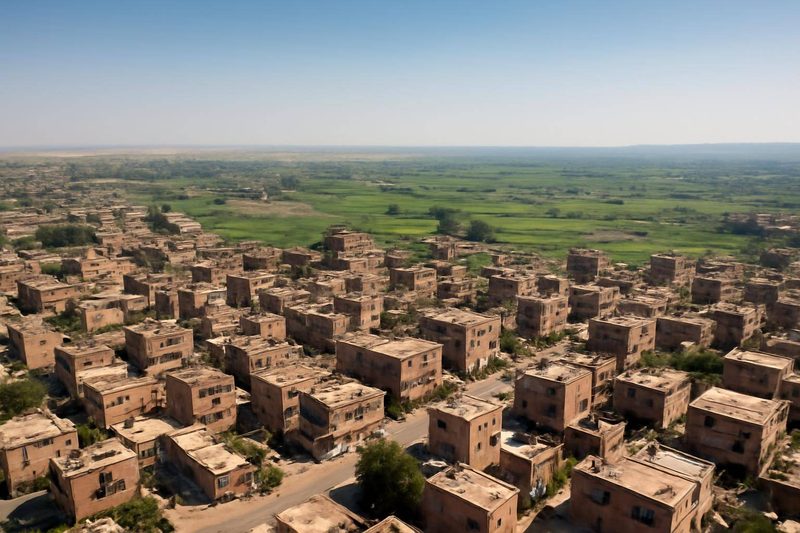
The landscape is distinctive. To the east lies the river, which has shaped settlement here since the 4th century CE. To the west stretches the Giza Plateau, where the desert rises and ancient stone structures dominate the horizon. This geography—positioned between water and sand, between Cairo's density and open desert—defines how the city feels. Streets near the Nile differ markedly from those heading toward the plateau. Modern urban development mixes with older quarters. Traffic, noise and daily commercial activity are constant features of the city itself, while the archaeological sites draw millions of visitors annually and operate in a distinct zone.
The Giza Plateau
The pyramids of the Fourth Dynasty—built around 2600 to 2500 BCE for the pharaohs Khufu, Khafre and Menkaure—predate the city's formal settlement by many centuries, but they have shaped Giza's identity completely. Khufu's pyramid was the tallest structure in the world for 3,800 years. The Giza Plateau also contains the Great Sphinx, subsidiary pyramids for royal queens, mastabas for nobles, and the remains of temple complexes associated with each royal burial site. Nine pyramids and extensive tomb complexes sit on this plateau. The Sphinx is a 241-foot (74-metre) monument carved from the limestone bedrock of the plateau.
The plateau area is carefully managed as an archaeological zone, with controlled access and a very different atmosphere from the urban streets. Two main entrances serve the site: the main entrance near the city side sees heavy traffic, while the Pyramids Visitor Centre on the western side of the necropolis offers a quieter, more secluded approach away from urban surroundings.
The Grand Egyptian Museum
The Grand Egyptian Museum opened officially on 1 November 2025 after decades of planning and construction. The museum sits on the Giza Plateau next to the pyramids and the Sphinx. Built at a cost of around one billion dollars, the spacious facility replaces the cramped downtown Cairo museum that previously housed Egypt's principal archaeological collections. Visitors gain access to the Tutankhamun Galleries, Main Galleries, Grand Hall, Grand Stairs, and Khufu's Boats Museum, along with commercial areas and exterior gardens.
Other Museums and Sites
Beyond the Grand Egyptian Museum, Giza contains several specialist museums: the Egyptian Agricultural Museum, Mohamed Mahmoud Khalil Museum, Taha Hussein Museum, Mohamed Nagy Museum, and Imhotep Museum. The Pharaonic Village offers a different visitor experience, and the city maintains the Giza Zoo—which has historical features—and the Orman Garden.
City Character
The city itself shows the texture of contemporary Egyptian urban life: busy streets, commercial areas, residential neighbourhoods, mosques, small shops and workshops. The Nile runs through the landscape, and the contrast between the river's green banks and the desert plateau is striking. Traditional markets operate in neighbourhoods surrounding Giza, selling fresh produce, spices, textiles and household goods. Local bazaars, cafés and artisan workshops function alongside the tourism economy. The city's religious and cultural character reflects its Muslim majority population alongside significant Christian and other religious communities.
Giza functions as the capital of Giza Governorate and operates independently of the ten administrative centres within the wider governorate. The city sits at 19 metres above sea level. Tourism underpins much of the modern economy, though the sources available provide limited detail on how the wider urban economy functions day-to-day beyond this central sector.
Historical Context
Founded over 1,600 years ago as a Nile-side settlement, Giza became an important centre for trade and commerce because of its river location. The monuments have been recognised as globally significant since ancient times, drawing visitors across centuries. During the New Kingdom period, Giza remained an active site. Amenhotep II built a temple dedicated to Hauron-Haremakhet near the Sphinx. The future pharaoh Thutmose IV visited the pyramids and the Sphinx as a prince; he reported being told in a dream that if he cleared the sand that had built up around the Sphinx, he would be rewarded with kingship.
Practical Information
The sources do not provide detailed information on how visitors currently access Giza—whether by air, rail, road or river transport, or what local transport systems operate within the city. The city's location on the west bank of the Nile River has been central to its role as a trading and administrative centre throughout its history, and this remains true for modern transport connections. Access details and information on accommodation, dining, neighbourhoods and specific visitor services should be checked through current travel guides or local sources.
The city lies in the Africa/Cairo timezone. Detailed information on seasonal considerations and current facilities would strengthen a fuller guide.