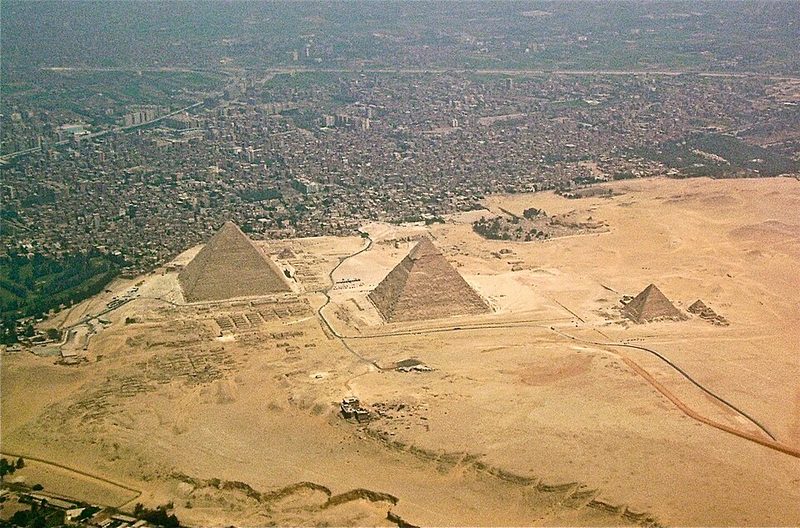
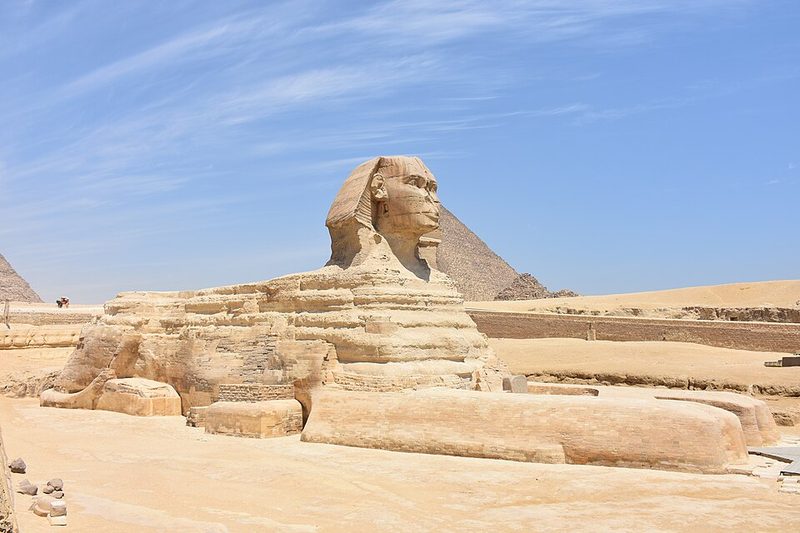
The Giza Plateau, also known as the Giza Necropolis or Giza pyramid complex, sits on the western desert edge of the city where nine pyramids, the Great Sphinx, and a collection of smaller tombs occupy the limestone bedrock. The three main pyramids were built during Egypt's Fourth Dynasty, around 2600 to 2500 BCE, as royal burial monuments for pharaohs Khufu, Khafre and Menkaure. These structures have functioned as major tourist attractions since Roman times and remain among the most visited archaeological sites globally.
The Great Pyramid of Khufu
The largest of the three, built for Pharaoh Khufu, held the record as the world's tallest structure for 3,800 years. The pyramid's construction involved massive organisation of labour and resources, with blocks of limestone and granite shaped and positioned with remarkable precision for the technology available in the 26th century BCE. The monument served as the pharaoh's tomb and formed part of a larger funerary complex including subsidiary pyramids for queens, a causeway connecting to a valley temple, and associated structures for the cult of the dead king.
Khafre and Menkaure
The pyramid of Khafre, Khufu's successor, appears nearly as large due to its elevated position on the plateau, though it is actually slightly smaller. Khafre's complex retains more of its associated structures, including a well-preserved valley temple and causeway. The pyramid of Menkaure, the smallest of the three main pyramids, nevertheless represents a substantial building project with associated queen's pyramids and temple remains. All three royal pyramids followed similar architectural principles but show variations in construction techniques, internal chamber arrangements, and the preservation of their original casing stones.
The Great Sphinx
The Sphinx measures 241 feet (74 metres) in length and was carved directly from the limestone bedrock of the plateau. The monument features a lion's body with a human head, traditionally identified with Khafre. An uncompleted temple sits adjacent to the Sphinx. During the New Kingdom period, more than a thousand years after the original construction, the site remained active—Amenhotep II built a temple dedicated to Hauron-Haremakhet near the Sphinx, and Prince Thutmose (later Thutmose IV) reported clearing sand from around the monument in the 15th century BCE, an early example of ancient restoration work.
Additional Structures
Beyond the three major pyramids, the plateau contains subsidiary pyramids for royal queens, mastaba tombs for nobles and officials of the Fourth Dynasty court, and the remains of valley temples, causeway structures, and mortuary temples associated with each royal pyramid. These elements formed part of the broader funerary landscape, with each structure playing a role in the religious rituals and beliefs surrounding royal burial and the afterlife.
Visiting the Plateau
The plateau operates as a managed archaeological zone with controlled access, separate from the urban streets of Giza city itself. Multiple entrance points serve the site; the Pyramids Visitor Centre on the western side of the necropolis provides access from the less built-up desert side, while entrances on the eastern side face the city. The atmosphere within the archaeological zone differs markedly from the busy urban environment outside the perimeter.
Visitors can explore the exterior of all three main pyramids, enter the interior chambers of certain pyramids (with separate tickets required), approach the Sphinx viewing area, and walk among the subsidiary tombs and temple remains. Camel and horse rides operate on the site, a practice that has cultural roots in Egyptian transport traditions. Photography is permitted in outdoor areas, and the interplay of desert landscape, stone monuments and changing light throughout the day provides distinctive views, particularly at sunrise and sunset.
Practical Considerations
The site is large—walking between monuments involves substantial distances across desert ground under sun exposure. Visitors should plan for 2-3 hours minimum, with longer visits needed to enter pyramid interiors or explore the full extent of the necropolis. Morning arrival helps avoid peak heat and crowds, though the site remains busy at most times. Tours typically begin around 8:00 am from Cairo or Giza hotels.
Vendors and guides operate at and around the site; travellers should be prepared for persistent approaches and haggling over prices or services. Clear, firm refusals are necessary when declining offers. Official guides can be arranged through the visitor centre or hotels.
The plateau connects naturally with visits to the Grand Egyptian Museum, located directly adjacent, and day trips to other pyramid sites such as Saqqara (with the Step Pyramid complex) and Dahshur (Bent and Red Pyramids), which lie south of Giza along the desert edge.
Sources: Giza Plateau - Discover Egypt's Monuments - Ministry of Tourism and Antiquities • Giza pyramid complex - Wikipedia • Pyramids of Giza: The Complete Guide for First-Time Visitors - Earth Trekkers • Pyramids of Giza and the Sphinx: Facts - Live Science