

What Auckland is known for
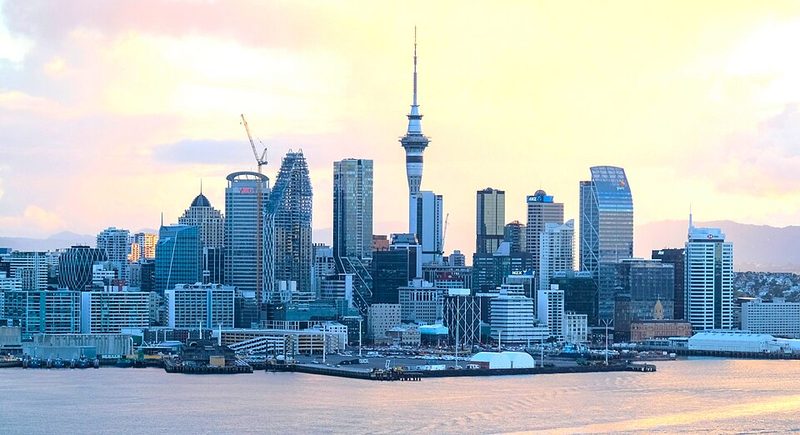
Auckland sits on an isthmus with the Pacific Ocean on three sides and a landscape studded with approximately 33 dormant volcanic cones. The city is New Zealand's largest urban centre, home to over 1.5 million people, and contributes nearly two-fifths of national GDP. Known locally as TÄmaki Makaurau in te reo MÄori, the metropolitan area sprawls across urban and suburban zones, with islands dotting the Hauraki Gulf to the east and rural areas extending into the wider Auckland Region.
Geography and Setting
The isthmus on which Auckland sits is narrow enough that the sea is always close—the Tasman Sea to the west, the Pacific to the east. The city's profile is defined by its volcanic cones, remnants of eruptions that shaped the landscape over thousands of years. Some cones are topped with radio masts, others left as native bush reserves. Maungawhau (Mount Eden), at 196 metres, is the highest of these volcanic features, offering views across the WaitematÄ and Manukau harbours, the Hauraki Gulf, and on clear days to the Coromandel Peninsula.
The region records over 1,600 kilometres of coastline across its various bays, peninsulas and islands. The climate is subtropical—warm and humid in summer, mild in winter—though tropical storms can affect the area. First-time arrivals often note how much of Auckland's identity is tied to these physical features: the water, the volcanic topography, and the coastal vegetation.
History and MÄori Heritage
MÄori tribes, including NgÄti WhÄtua and Te Kawerau-a-Maki, inhabited the Auckland area for centuries before European contact, thriving in the fertile volcanic landscape. Auckland was formally established as a colonial township in 1841, with ambitious urban plans including waterfront reclamation that continues to shape the city today. The settlement served as New Zealand's capital in its early colonial period before that function moved south.
The University of Auckland, established in 1883, has grown into the nation's largest university. In 2021, the institution received its te reo MÄori name, Waipapa Taumata Rau, as a gift from NgÄti WhÄtua ÅŒrÄkei, reflecting the ongoing relationship between the university and local MÄori communities. Kapa haka (MÄori performing arts), traditional weaving practices, and cultural institutions remain part of contemporary Auckland life.
The Waterfront
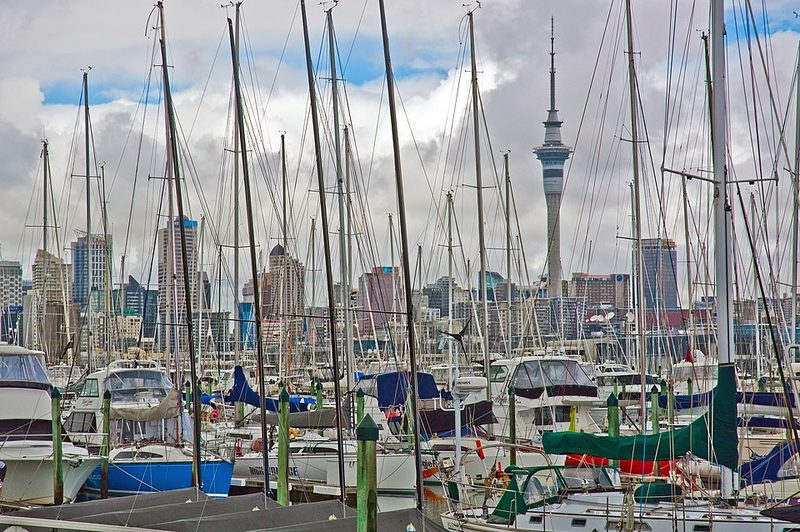
Auckland's waterfront has been significantly reclaimed and redeveloped since the city's founding. The Viaduct Harbour area, originally an industrial dock, was transformed into a mixed-use zone of apartments and restaurants following international yachting events. Adjacent to it, the area historically known as the Western Reclamation or Tank Farm was redeveloped from 2011 onwards into Wynyard Quarter, a harbourside district with public spaces including Silo Park and Karanga Plaza, alongside commercial and residential buildings. The transformation represents a shift from port and industrial use to public access along the water's edge.
The Volcanic Cones
The volcanic field that defines Auckland's topography consists of approximately 33 dormant cones scattered throughout the urban area. Maungawhau (Mount Eden), formed roughly 28,000 years ago, is the most prominent, with three craters visible from the summit. The summit road is now closed to general vehicles, with upgraded walking tracks guiding visitors along ridge trails. Today, Maungawhau and Auckland's other ancestral volcanic cones are co-governed by the TÅ«puna Maunga Authority in partnership with mana whenua (local MÄori with authority over the land).
These volcanic reserves function as parks and viewpoints within the urban environment, offering both recreational space and reminders of the geological forces that shaped the landscape. Some have regenerating native bush, others serve as open grassland reserves.
Hauraki Gulf and Islands
The Hauraki Gulf contains numerous islands accessible by ferry from Auckland. Rangitoto, with its distinctive symmetrical cone rising 260 metres above the gulf, is a volcanic island formed by eruptions roughly 600 years ago. Waiheke Island, larger and inhabited, lies further out and has developed a reputation for vineyards and coastal walks. Ferry operators including Fullers360 provide scheduled services from the city to these islands. The islands form part of Auckland's wider geographic identity and offer day-trip options for visitors.
Great Barrier Island, more remote and less developed, sits further out in the gulf and requires longer ferry journeys or air access.
Museums and Cultural Institutions
TÄmaki Paenga Hira (Auckland War Memorial Museum) functions as a repository of cultural heritage and natural history. The museum holds significant MÄori taonga (treasured objects), including a 26-metre wharenui (meetinghouse) with carved and painted walls, and Te Toki-a-Tapiri, a war canoe of great mana that was entrusted to the museum in the 1870s and 1880s by Paora TÅ«haere of NgÄti WhÄtua. The museum hosts kapa haka performances by members of NgÄti WhÄtua, scheduled twice daily, that demonstrate MÄori performing arts traditions.
The New Zealand Maritime Museum displays tukutuku panels—traditional MÄori woven art—made by women from NgÄti WhÄtua ÅŒrÄkei specifically for the museum. ÅŒrÄkei Marae, in the eastern suburbs, offers cultural tours that provide context on TÄmaki Makaurau's history from a MÄori perspective.
Economy and Urban Life
Auckland functions as New Zealand's primary economic hub. The city supports financial services, technology, education, agriculture, tourism and various service industries. The presence of the University of Auckland and other research institutions means education and research are woven into the city's economic structure. The automotive sector had historical significance in the region, though the industry has evolved considerably over recent decades.
The population is notably multicultural, with significant MÄori, Asian and Pacific Islander communities. Over 90 per cent of inhabitants are reported as multilingual. This diversity is visible in the variety of languages on signage, the range of cuisines, and the composition of public spaces and markets.
Recent History
The 1985 Rainbow Warrior bombing occurred in Auckland Harbour and remains part of the city's modern memory. The incident, which involved the sinking of a Greenpeace vessel by foreign agents, brought international attention to Auckland and raised broader questions about environmental activism and foreign intelligence operations on New Zealand soil.
Practical Information
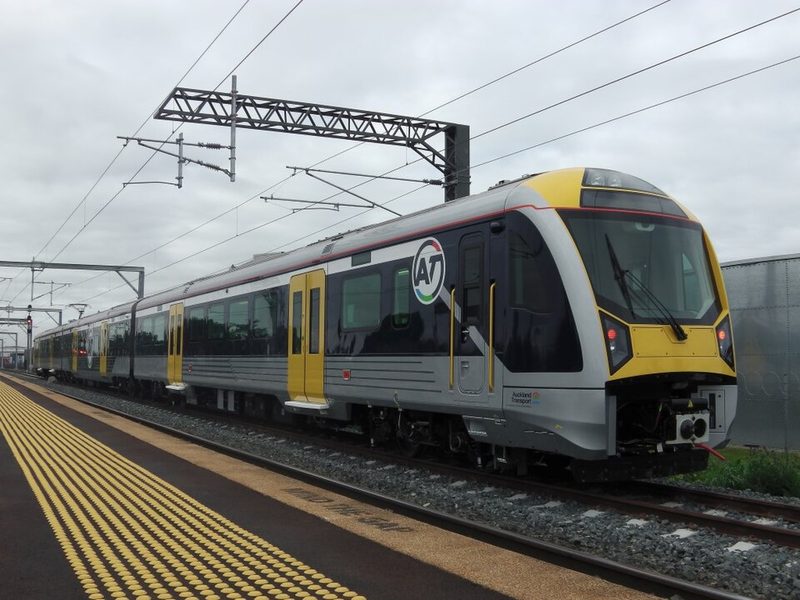
Auckland is served by major air, sea and ground transport infrastructure. The city has significant international air connectivity. Ferry services link the city to islands in the Hauraki Gulf, with multiple daily sailings to destinations including Waiheke and Rangitoto. Urban transport options include buses, trains and ferries, though the sprawling nature of the metropolitan area means journey times can be significant. Visitors should verify current transport routes, schedules and services locally.
The city maintains standard urban amenities. Weather conditions are subtropical year-round, so pack accordingly. Information about specific attractions, current opening hours and local conditions should be checked with official visitor information sources and institution websites before travelling.
Parks and Gardens
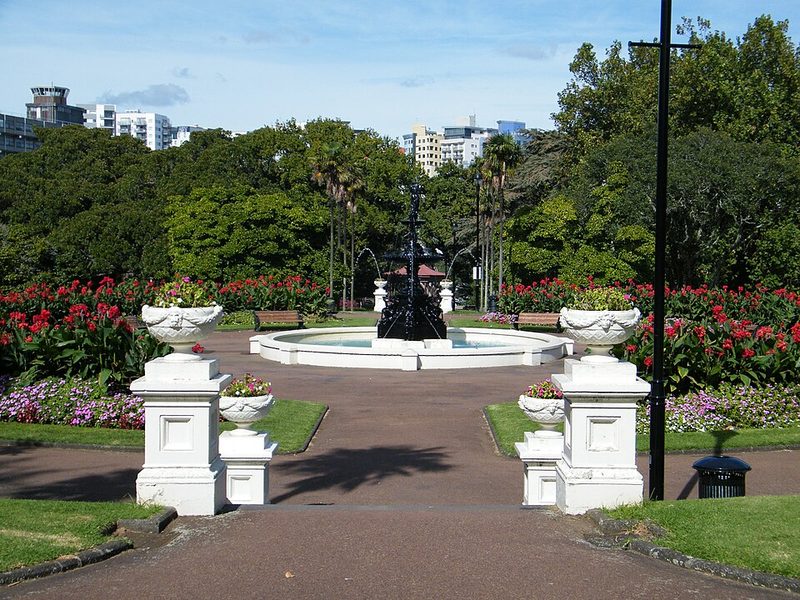
The Auckland Domain, the city's oldest park, includes the Wintergardens and provides green space in the central urban area. Auckland Botanic Gardens and Eden Gardens offer cultivated plant collections. Cornwall Park, surrounding one of the volcanic cones, provides open space for walking and recreation. Markets occasionally operate in parks and public spaces, though schedules vary and January tends to be quiet for such events.