Devonport sits on the North Shore of Auckland's WaitematÄ Harbour, directly across the water from the central city. The settlement dates to 1840, when a flagstaff was raised on Mount Victoria (Takarunga), giving the area its early name of Flagstaff. By 1841, the proximity of naval stores and the Harbour Commission's magazine led to the adoption of Devonport as the district name, referencing Britain's naval base. Today the suburb combines naval history, Victorian architecture, volcanic viewpoints, and beach access within easy reach of central Auckland.
Ferry Access and Village Centre
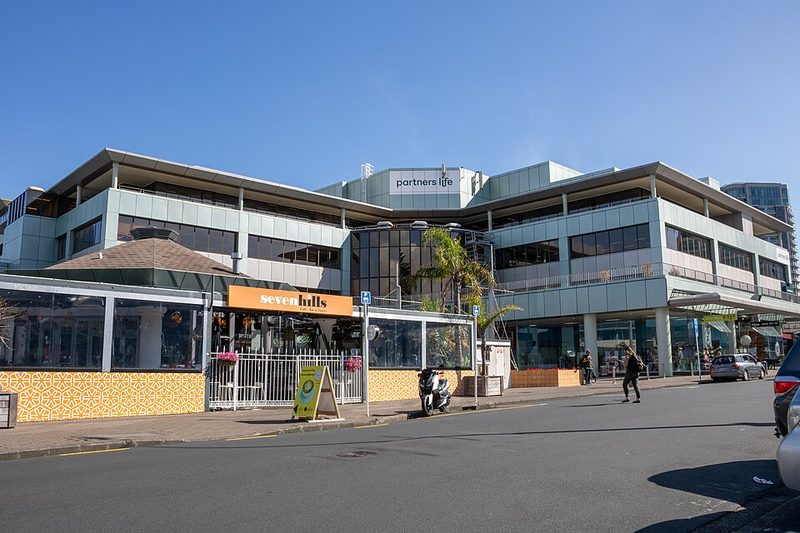
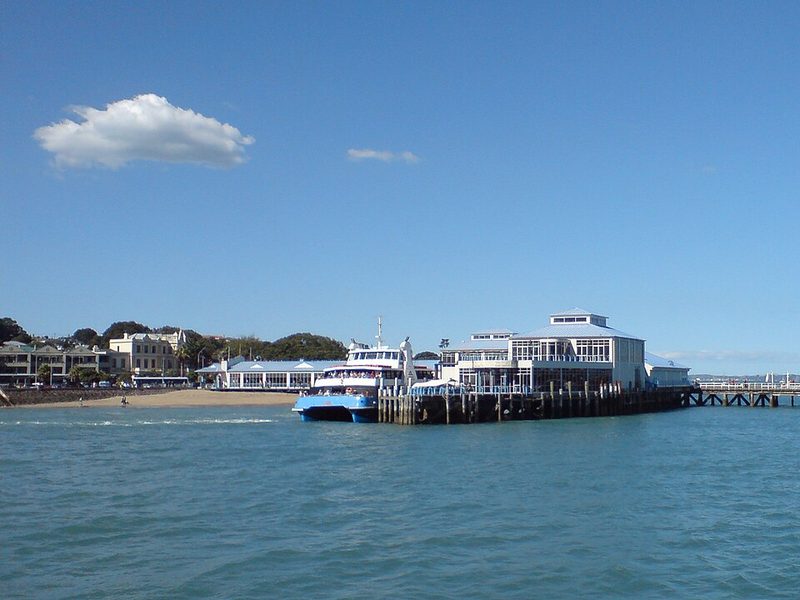
Regular ferry services connect Devonport to Auckland's downtown ferry terminal, with the crossing taking approximately 12 minutes. The Devonport ferry terminal sits at the base of the village, where Victoria Road forms the main shopping street lined with bookshops, art galleries, craft stores, and cafés. Visitors frequently comment on the concentration of well-preserved Victorian and Edwardian villas, many restored and painted in period colours. The village retains a pedestrian scale, with most attractions within walking distance of the ferry.
Windsor Reserve, the large grassed area next to the ferry terminal, holds the original flagstaff pole from Mount Victoria. This open space serves as a local gathering point and playground area, marking the transition between the waterfront and the village streets climbing towards the volcanic cones.
North Head Historic Reserve
North Head (Maungauika) forms one of two volcanic cones dominating Devonport, rising as a coastal promontory at the entrance to WaitematÄ Harbour. The cone's strategic position led to its development as a military fortification from the late 19th century onwards, with an extensive network of tunnels, gun emplacements, and observation posts constructed to defend Auckland's harbour. The North Head Historic Reserve opens from 6am to 10pm daily, with vehicle gates operating from 6am to 6pm. The site lies within walking distance of both the Devonport village centre and the ferry terminal.
Walking trails circle the head and climb to summit viewpoints offering panoramic views over the Hauraki Gulf, Rangitoto Island, and back towards Auckland's skyline. The military tunnels, dug into the volcanic scoria, remain accessible to visitors, though lighting conditions inside are minimal and some passages require care. Interpretation panels explain the fortification history and the strategic concerns that drove construction, including fears of Russian expansion in the Pacific during the late 1800s.
Mount Victoria and Beaches
Mount Victoria (Takarunga), the second volcanic cone in Devonport, offers similar harbour views from a position closer to the village centre. The summit provides 360-degree views taking in the city, the Gulf, and the North Shore suburbs extending northwards. Walking tracks lead to the top from several access points around the cone's base.
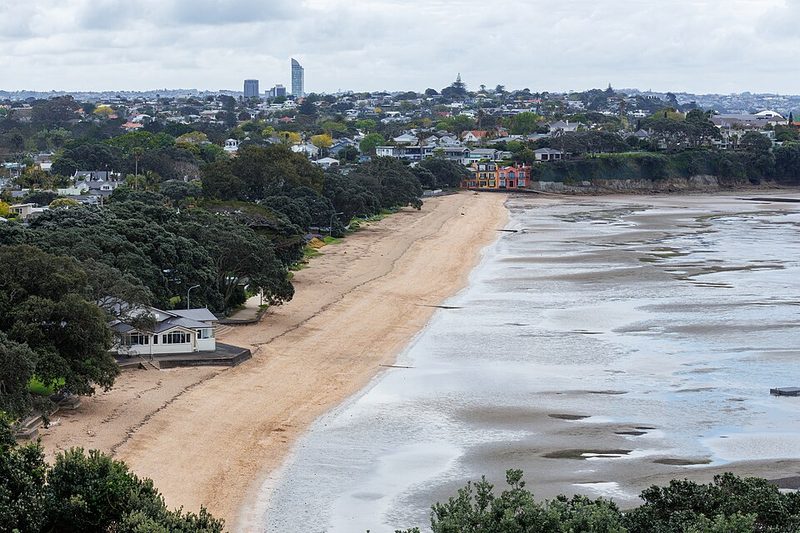
Five beaches lie within walking distance of the ferry terminal: Stanley Bay, Devonport Beach, Torpedo Bay, Cheltenham Beach, and Narrow Neck Beach. Cheltenham Beach, located approximately 1.5 kilometres from the terminal, offers a long stretch of sand suitable for swimming and picnicking, with views across to Rangitoto and the inner harbour. The route to Cheltenham passes restored Victorian villas with ocean views. Torpedo Bay, closer to North Head, houses the New Zealand Navy Museum.
Naval Heritage
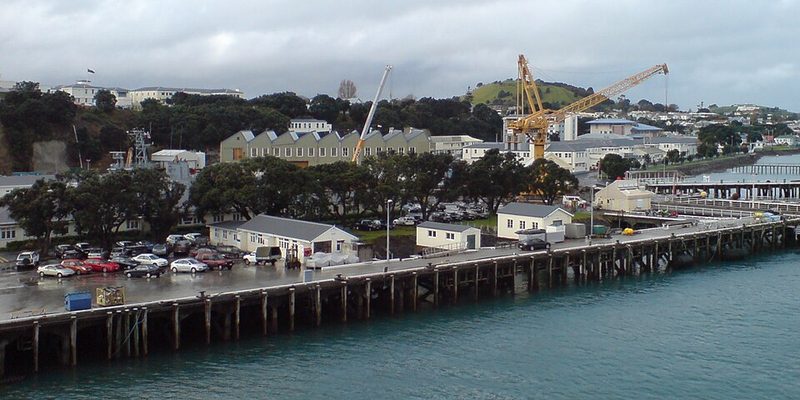
Devonport Naval Base represents New Zealand's principal naval facility, with origins dating to 1841 when Lieutenant Governor William Hobson, a naval captain, founded Auckland shortly after the Treaty of Waitangi signing. The naval presence shaped the settlement's development, with King Edward Parade historically serving as an industrial and shipbuilding centre. A tramway once ran along King Edward Parade from Victoria Wharf, though today the area is accessed on foot.
The base remains an active military facility, meaning public access is restricted to designated areas. The New Zealand Navy Museum at Torpedo Bay provides the primary public-facing institution documenting naval history, though visitors should verify current opening hours and access arrangements before planning a visit.
Devonport Military History Trail
A self-guided military history trail connects sites across Devonport, following routes through Windsor Reserve, along King Edward Parade, and up to the fortifications on North Head. Plaques mark locations of historical significance, including the site overlooking the sea where Lieutenant Robert Snow, the first commander of the early naval depot, his wife, and their two daughters were murdered. Joseph Burns was later sentenced to death for the crime. The trail combines coastal views with interpretation of Devonport's role in New Zealand's defence history from the 1840s onwards.
Practical Notes
Devonport functions as a day trip destination from central Auckland, with ferry services running frequently enough to allow flexible timing. The village supports cafés and restaurants suitable for meals, and shops cater to browsers interested in books, arts, and local crafts. Visitors planning to walk to Cheltenham Beach or complete the full North Head reserve circuit should allow several hours. Current ferry schedules should be checked before travelling, as weekend and weekday timetables may differ.
Sources: Visit Devonport - Official Guide • Devonport Naval Base - New Zealand Defence Force • Devonport History & Heritage • North Head Historic Reserve