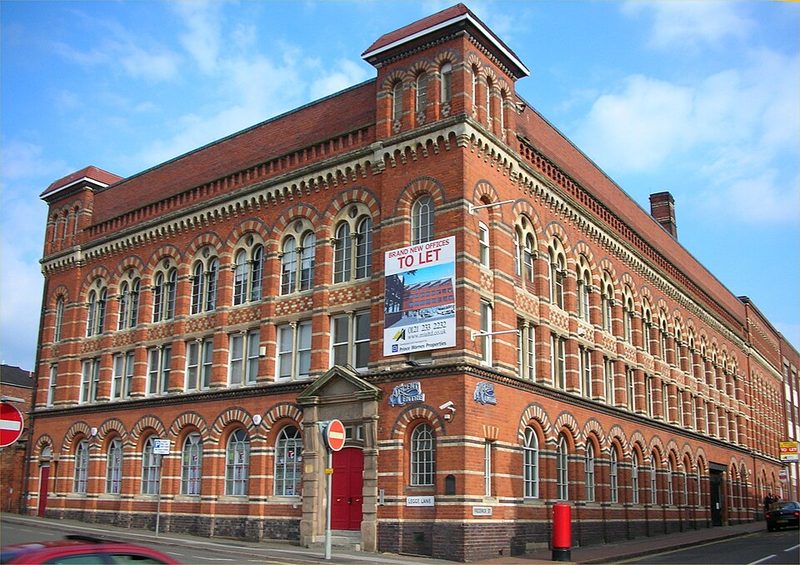
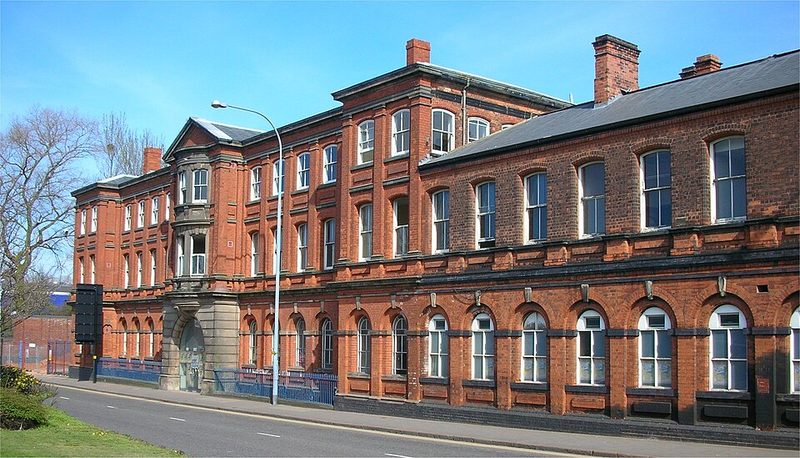
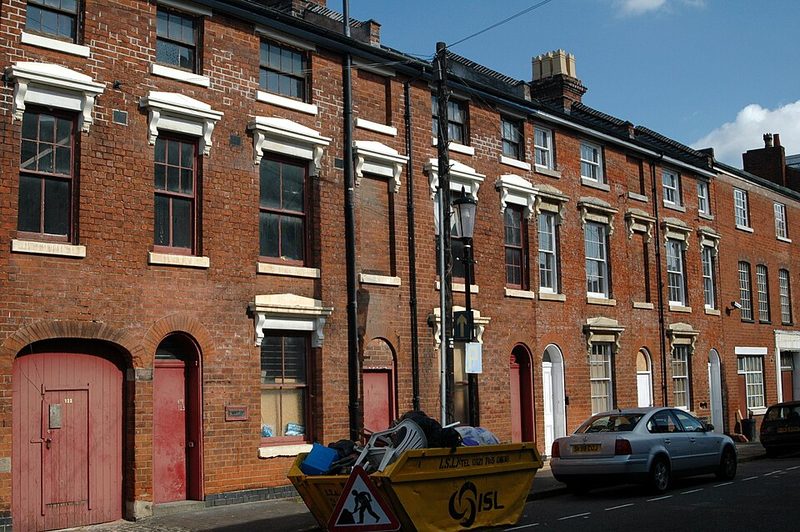
The Jewellery Quarter is a historic manufacturing district in Birmingham where jewellers, silversmiths and metalworkers have operated continuously for over 250 years. This is not a heritage theme park but a working neighbourhood where approximately 40% of all jewellery manufactured in the United Kingdom is still produced. The area covers roughly one square mile northwest of Birmingham city centre and contains over 100 jewellery-related businesses alongside bars, restaurants, galleries and residential buildings.
The Birmingham Assay Office and Early History
The Jewellery Quarter's development as a specialist district began in 1773 when Birmingham Assay Office was established by Act of Parliament. The office was petitioned for by Matthew Boulton and other local industrialists who found it unacceptable that all jewellery and precious metalwork made in Birmingham had to be sent to London or Chester for hallmarking. The assay office started in leased rooms at the Kings Head Inn on New Street before moving to its permanent location in the Quarter.
The Birmingham Assay Office remains one of only four assay offices in the United Kingdom that test and hallmark precious metal items as required by the Hallmarking Act. The establishment of the office in 1773 removed a major barrier to local manufacturing and triggered the concentration of jewellery workshops and related trades in the surrounding streets.
Museum of the Jewellery Quarter
The Museum of the Jewellery Quarter occupies the former premises of Smith & Pepper, a jewellery manufacturing firm that operated from 1899 until 1981. When the factory closed, the owners left the workshops exactly as they were on the final working day—benches, tools, stamps and machinery all frozen in time. Birmingham Museums Trust acquired the site and opened it as a museum that preserves this authentic working environment.
The museum is located at 75-80 Vyse Street, Hockley, and operates Thursday to Saturday, 10.30am to 4pm. Entry is by guided tours only, which run at multiple times throughout the day (typically at 10.45am, 11.15am, 11.45am, 12.30pm, 1pm, 1.45pm, 2.15pm, 2.45pm and 3.15pm). Tours last approximately 45 minutes and include demonstrations of traditional jewellery-making techniques using the original equipment. Admission charges apply, and pre-booking is advised, particularly at weekends.
The museum displays jewellery made from natural materials from across the world and provides historical context about the Quarter's development and the skills of the trade. The preserved workshops offer an unusually complete picture of small-scale manufacturing as it existed in Birmingham through much of the 20th century.
The Chamberlain Clock and St Paul's Square
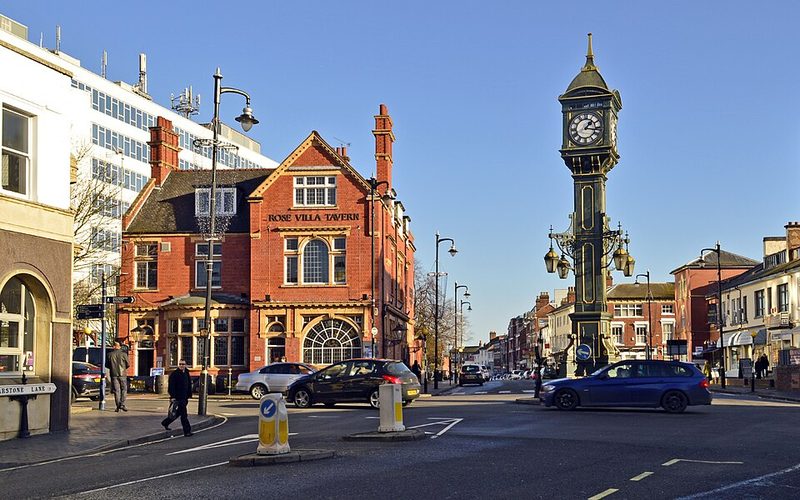
The Chamberlain Clock stands at the centre of the Jewellery Quarter's main shopping area and serves as the district's most recognisable landmark. The clock tower represents civic pride and the intellectual engagement that characterised Birmingham's industrial leaders in the 19th century.
St Paul's Square, a short walk from the clock, contains Georgian architecture that predates the Quarter's industrial development. The square was originally part of an upmarket residential neighbourhood developed by the Colmore family in the mid-18th century. Today it houses the Royal Birmingham Society of Artists, a historic society that moved to a gallery in the square in 2000. St Paul's Gallery, which opened in February 2003, is described as the largest commercial art gallery outside London. The square also contains a variety of independent art galleries.
Current Manufacturing and Shopping
The Jewellery Quarter remains a genuine manufacturing centre, not merely a tourist attraction. Workshops continue to produce jewellery for UK and international markets, and many businesses offer bespoke design services. The concentration of metalworking expertise means that jewellers have access to specialist suppliers, tool makers and craftspeople within a small geographic area—a form of industrial clustering that has persisted for over two centuries.
Visitors can browse jewellery shops, commission custom pieces, and in some cases observe craftspeople at work. The district also contains a growing number of independent cafes, bars and restaurants, particularly around St Paul's Square and Vyse Street, making it feasible to spend several hours exploring the area.
Getting There
The Jewellery Quarter is approximately one mile northwest of Birmingham city centre. It is served by Jewellery Quarter railway station on the Birmingham Snow Hill line. Walking from the city centre takes 15-20 minutes. Local bus services also connect the area to other parts of Birmingham. The Museum of the Jewellery Quarter provides full access details on its website.
Sources: Jewellery Quarter - Wikipedia • Our Story - The Jewellery Quarter • Birmingham Assay Office | Jewellery Quarter Birmingham • BHF - Museum of the Jewellery Quarter