

What Cartagena is known for
Cartagena sits on Colombia's Caribbean coast with intact Spanish defensive walls encircling its colonial core. Founded in 1533 as Spain's principal port for exporting Bolivian silver and importing enslaved Africans, the city has survived pirates, imperial wars, and centuries of change to become one of South America's most distinctive urban centres. Over 900,000 residents live here today, but the UNESCO-listed walled old town remains the focal point for most visitors.
Arrival and First Impressions
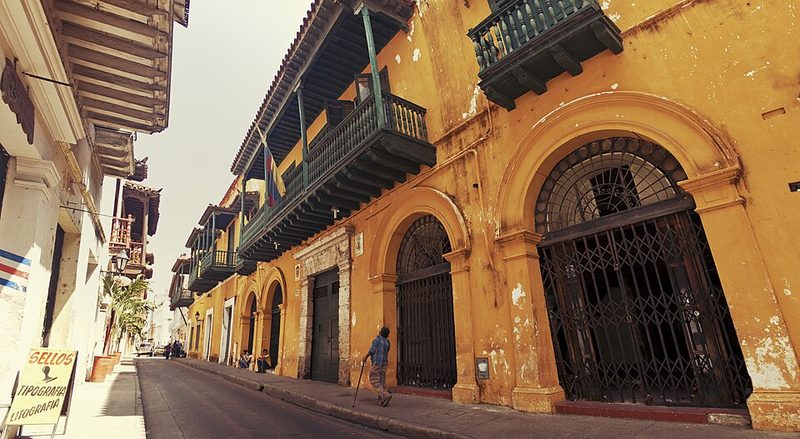
The city is accessible by air via its international airport, which connects to other Colombian centres and international destinations. Your first view of Cartagena is likely to be the old walled town, its terracotta rooftops and pastel-painted colonial facades rising behind Spanish defensive walls. The Caribbean light here is intense and direct, casting sharp shadows across narrow streets and brightening the brass door knockers that still adorn many buildings. The air carries salt and humidity; you are always aware of the sea nearby, even when you cannot see it.
The landscape around the city is relatively flat, with mangrove wetlands and scattered islands characterising the coastline. The Magdalena and Sinú rivers, which historically gave Cartagena access to the interior of New Granada and made it a crucial trading hub, still define the region's geography and commerce.
Where to Stay in Cartagena
The walled old town (Centro Histórico) is the most atmospheric area, offering colonial architecture and easy access to major sites within walking distance. GetsemanÃ, a historic neighbourhood adjacent to the walled city, provides a more affordable alternative with increasing nightlife and local character. Bocagrande is a modern beachfront district with high-rise hotels and a Miami-like atmosphere, appealing to visitors seeking beach access and contemporary facilities. Visitors should verify current conditions for specific neighbourhoods, as safety and character can vary considerably across the city's districts.
History and Identity
Cartagena's identity is inseparable from its role in the colonial Atlantic world. By the early 1540s, it was firmly established as a main port for trade between Spain and the Americas, becoming the Spanish empire's principal port for exporting silver from Bolivia and for the forced importation of enslaved Africans under the asiento system—a brutal commerce that shaped the city's wealth and demographics. The strategic position between two major rivers and the city's natural defensibility against Caribbean pirates made it invaluable to Spain's overseas empire.
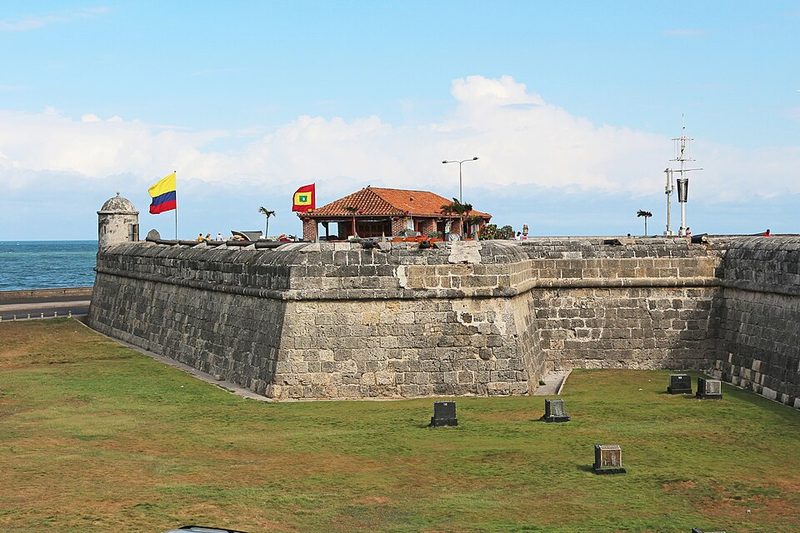
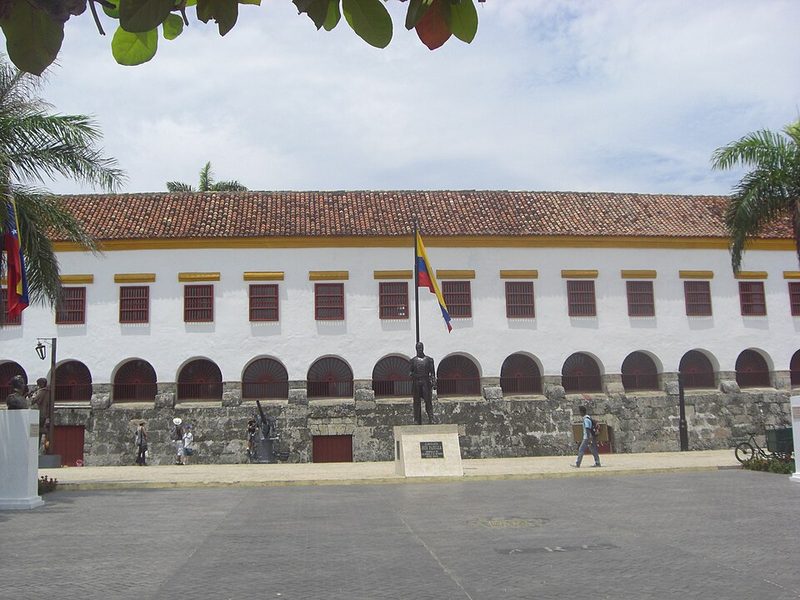
The visible legacy of this era is everywhere. The Palace of the Inquisition, constructed between 1610 and 1770, stands as a baroque reminder of the city's colonial authority. The Spanish defensive walls themselves remain substantially intact, enclosing the old town in a perimeter that once protected merchant ships and royal treasuries. Walking these streets, you encounter the physical vocabulary of that age: narrow passages designed for heat and defence, courtyards open to the sky, and thick stone foundations meant to last centuries.
The region itself has much older human roots. Archaeological work has documented that the Puerto Hormiga Culture inhabited the Caribbean coast from around 7000 BC, making this one of the earliest documented human communities in present-day Colombia. Indigenous Karib, Malibu, and Arawak groups lived here before Spanish colonisation transformed the settlement into an imperial outpost. That indigenous presence has largely been written out of the visible city, though it shaped the region's languages, trade networks, and ecological knowledge long before Europeans arrived.
The Walled Old Town
The intact Spanish defensive walls create a clear boundary between old and new, and walking the perimeter or exploring the lanes within offers an immersion in colonial-era architecture and street patterns. The Promenade of the Martyrs, near the Puerta del Reloj (Clock Gate) area, remains accessible and offers views toward the water. Multiple public plazas—Plaza de los Coches, Plaza de la Aduana, Plaza de San Pedro Claver, and Parque de BolÃvar—function as focal points for community life and ceremony.
Calle de la FactorÃa and other named streets carry echoes of their colonial functions—the factory, the market, the fortress. The Portal of the Sweets is a landmark in the old town. These spaces remain living parts of the city, not museums frozen in time. The old town has been designated a UNESCO World Heritage Site, reflecting its cultural and historical significance to world exploration and preservation of heritage from the great commercial maritime routes.
Museums and Cultural Sites
The Palace of the Inquisition now functions as a museum, allowing visitors to walk the halls where the Inquisition operated between the 17th and 18th centuries. The Zenú Gold Museum is described as a miniature version of Bogotá's gold collection, offering insight into pre-Columbian cultures of the region. The Modern Art Museum of Cartagena anchors contemporary cultural life. Monuments and public art—including the Pegasus Wharf, Cervantes Monument, and Columbus Statue—punctuate the streets and waterfront.
Contemporary Life and Economy
Cartagena remains a working port and a significant centre for maritime commerce and tourism. The city's economy has diversified beyond its colonial-era role in precious metals and enslaved labour. Free trade zones operate in the city, and tourism has become a major sector. The University of Cartagena, a departmental public research university, operates multiple campuses and offers undergraduate and postgraduate programmes including doctoral studies, anchoring intellectual life in the settlement.
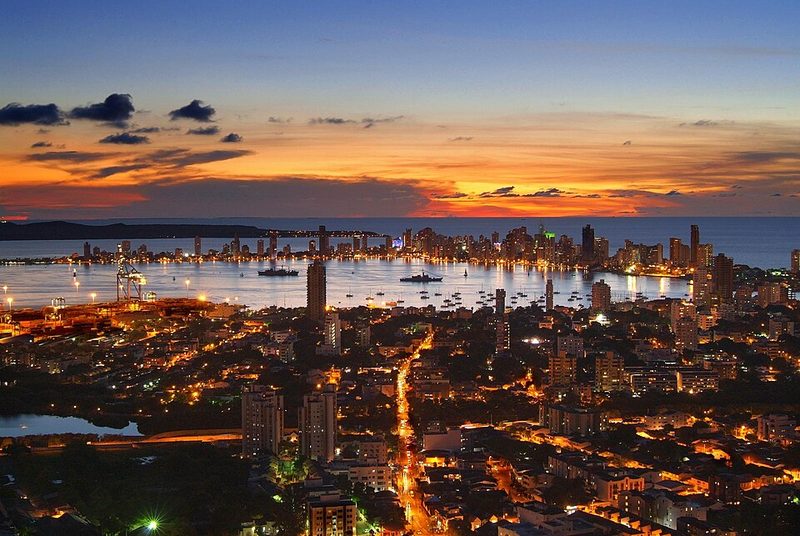
Beyond the walls, Cartagena extends into modern neighbourhoods and industrial zones. The contrast between the UNESCO-listed heritage core and the sprawling contemporary city is sharp. Many visitors focus on the old town, but the broader settlement reveals how colonial heritage coexists with contemporary urban life, port activity, and residential neighbourhoods.
Practical Considerations
Cartagena sits at sea level on the Caribbean coast and experiences a tropical climate with significant heat and humidity. Visitors should come prepared for tropical conditions and aware that the historic core's narrow streets and heritage status shape where and how you can move through the city. The walled old town is architecturally fragile in places. Local transport and detailed access information should be verified with current travel resources, as services and routes may change.
Safety and Travel Advisory Context
Official travel advice for Colombia is regional rather than countrywide. While some regions of Colombia carry elevated travel warnings from both the UK Foreign, Commonwealth & Development Office and the US State Department, Cartagena is not identified in those restricted zones. The UK advises against non-essential travel to parts of Colombia, but these restrictions apply to specific regions, not the Caribbean coastal city of Cartagena. For current information on conditions affecting travel to this settlement, consult the US State Department travel advisory for Colombia and the UK FCDO advice on Colombia, both of which provide detailed regional guidance. Visitors should exercise normal safety precautions appropriate to any major urban centre and port city.