In This Guide
Read the guide as a story
The Cross and the Custom House: A Day in Old Cebu
Cebu City, Central Visayas
Cebu City is the commercial and cultural centre of the Visayas, and one of the Philippines' most historically layered urban destinations. With a population of 965,332, it is the most populous city in the entire Visayas region and the sixth most populated in the Philippines. What gives the city its particular character is the combination of a documented first: Cebu is recognised as the oldest Spanish colonial settlement in the Philippines, founded in 1565, meaning the downtown streets carry nearly five centuries of compressed history alongside functioning port infrastructure, glass-fronted business towers and a growing information technology sector. The city wears its history lightly — 16 barangays make up the older urban core — and daily commercial life runs uninterrupted alongside churches and civic buildings that predate most other settlements in the archipelago.
First Impressions and Setting
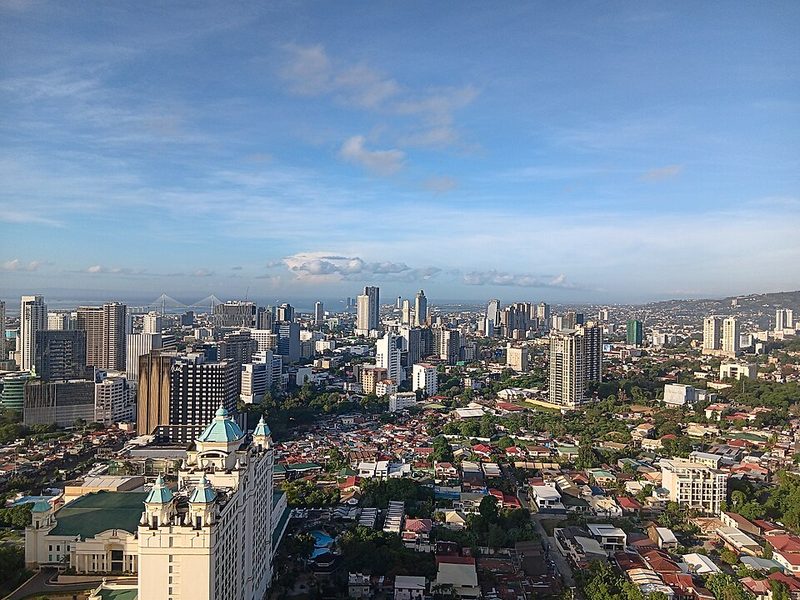
Arriving in Cebu City, most visitors notice immediately how much is happening at once. The urban core is dense and intense, with the old downtown district pressing against the waterfront and newer commercial districts such as IT Park in Lahug climbing the hillsides behind. The city sits on the eastern coast of Cebu island, facing the Camotes Sea, with the island of Mactan just across a narrow strait. The elevation is modest — 37 metres above sea level at the downtown core — and the terrain rises gradually inland, giving the hillside districts noticeably cooler air than the waterfront. At street level the city reads as thoroughly metropolitan: elevated expressways, busy port facilities, congested junctions and a skyline that has changed visibly in recent years. The adjacent communities of Tabok and Subandaku lie on the city's edge and illustrate how seamlessly Cebu City blends into its wider urban region. The CCLEX bridge, visible from several vantage points across the downtown area, now spans the strait between Cebu and Mactan island and has become a recognisable part of the contemporary skyline.
History and Identity
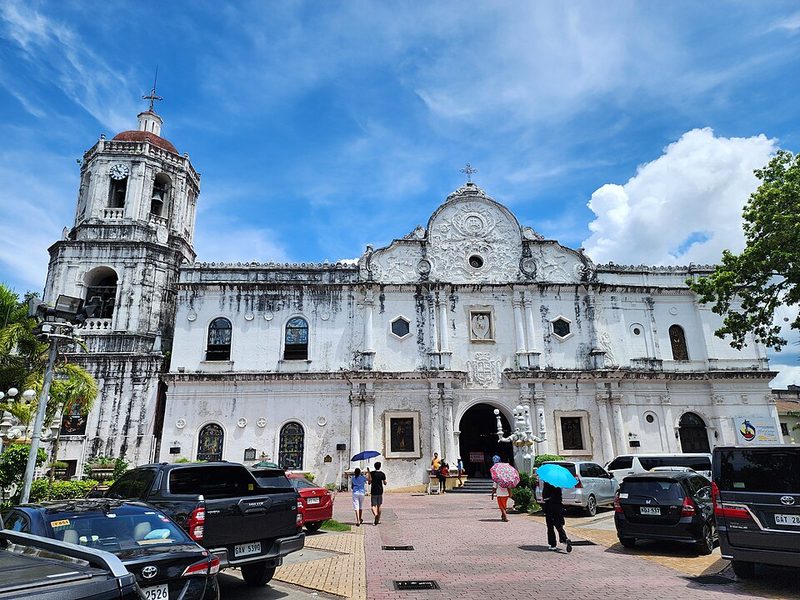
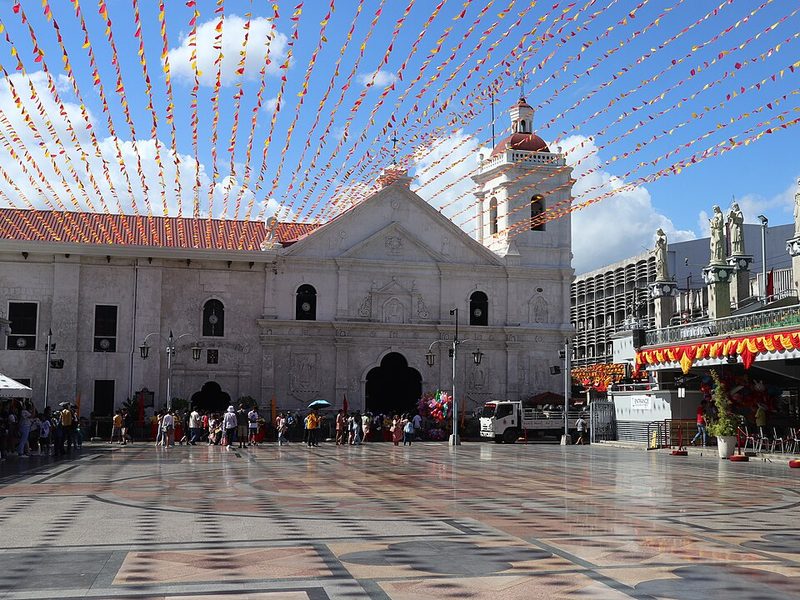
Cebu City's claim to being the oldest Spanish settlement in the Philippines is physically present in the downtown core. The settlement's origins predate Spanish arrival: the area was known as Sugbu, and by the 10th century it was already an established trading port with connections across maritime Southeast Asia. Ferdinand Magellan landed on Cebu Island on 7 April 1521, and Magellan's Cross, housed in a small kiosk chapel near the waterfront, marks the spot where he is said to have planted a cross following the baptism of the local ruler Rajah Humabon and his court. The Basilica Minore del Santo Niño, on Osmeña Boulevard, is one of the oldest Roman Catholic churches in the country, with its modern form dating to the 16th century, and draws both pilgrims and visitors throughout the year. The Sinulog Festival, held each January in honour of Santo Niño, is among the most significant annual events in the Visayas, drawing large crowds to the city; its modern form starting in 1980 as an organised civic celebration built on much older devotional traditions. Visitors planning a January trip should expect higher accommodation demand and busier streets during the festival period.
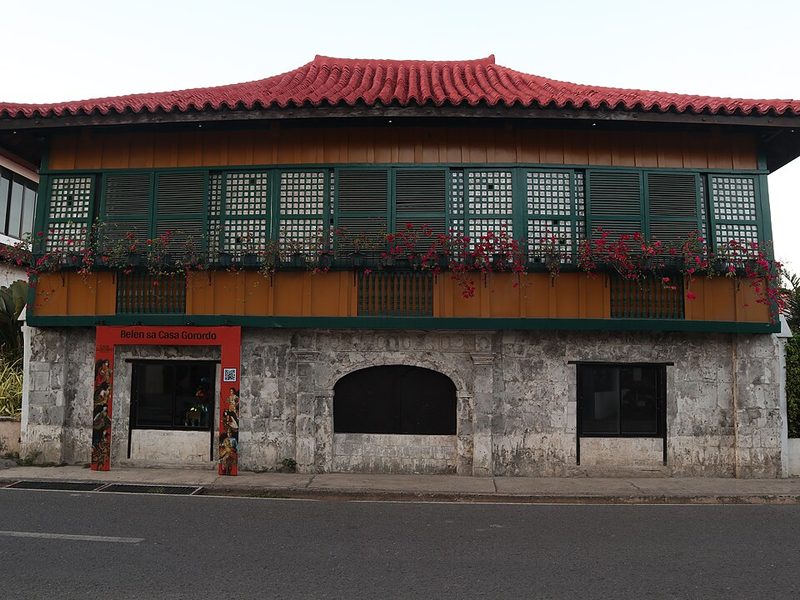
Walking the older downtown streets, visitors encounter a compressed architectural history: Spanish-era churches, American colonial-period civic buildings, mid-century shophouses and contemporary glass towers occupying neighbouring blocks. Colon Street, often cited as the oldest street in the Philippines, runs through this district. The waterfront, shaped by port infrastructure, connects the city's commercial identity to its geographic reality as an island hub.
Museums and Cultural Institutions
The National Museum of the Philippines branch in Cebu City occupies the Aduana building on the waterfront — a heritage customs house that has been carefully restored and now holds collections documenting the natural, cultural and historical record of the region. The University of San Carlos Museum is a well-regarded repository of local archaeology, natural history and cultural material, with collections that reflect both pre-colonial and colonial layers of Cebuano identity; it is one of the longer-established museum institutions in the city. The JRG Halad Museum is noted as an additional cultural reference point for Cebuano heritage, though visitors should confirm current access details locally before planning a visit. Near the Basilica, the tindalo cross on display is believed to have been built in 1834, replacing earlier versions, and serves as a tangible marker of the city's layered religious and material history.
Cebu Lechon and Food Culture
Food is one of the most discussed aspects of Cebu City for visitors and Filipinos alike. Cebu lechon — whole roasted pig seasoned with local herbs — is widely regarded as the finest in the Philippines, and the city has a cluster of establishments dedicated to it. The style is distinct from Manila preparations, and its reputation rests on a tradition that local food historians trace to vendors and cooks creating this dish in the 1920s in recognisably its current form. Beyond lechon, the city's markets and dining strips reflect a broad Cebuano food culture that draws on the produce of the surrounding province and the seafood of the surrounding sea.
Daily Life, Economy and Culture
Cebu City functions as the undisputed regional hub of Central Visayas in economic and practical terms. Banking, logistics, shipping, retail, higher education and healthcare are concentrated here in ways that draw workers and students from across the surrounding islands. The port complex handles a significant volume of inter-island ferry traffic, tying the city to dozens of communities across the Visayan Sea. A strong business process outsourcing and information technology sector has developed in districts such as IT Park in Lahug, adding a younger professional layer to a city that already had deep commercial roots in trading and manufacturing.
Cebu has a recognised live music and performance culture. Source evidence from local cultural media confirms an active scene spanning rock, reggae, pop and traditional styles, with live venues operating across the city. The city also supports a theatre scene; the Cebuano theatre tradition has a documented history, and Cebu City has hosted productions connected to this tradition, including an international theatre festival. The Cebu City Sports Center on R. Landon Street serves as a significant public venue for large gatherings and events.
Day Trips and Wider Region
Cebu City's two main bus terminals provide practical access to the rest of Cebu island and, via ferry connections, to neighbouring islands. Ceres Bus services from Cebu North Bus Terminal reach destinations along the northern coast including Daang Bantayan, and connect to Hagnaya Port for ferry crossings to Bantayan Island and to Maya Port for Malapascua Island — both popular day-trip and short-stay destinations. Ceres Bus services from Cebu South Bus Terminal serve southern Cebu towns including Argao, Moalboal and Simala, making the terminal the departure point for travellers heading to the island's coastal and hill destinations. Schedules and fares vary; verify current timings with the terminal or operator before travel.
Beyond the bus network, the surrounding province of Cebu offers coastline, mountains and smaller towns, making the city a practical base for exploring a wider region. The communities of Tabok and Subandaku lie immediately adjacent to the city and can serve as orientation points when navigating the edges of the urban area.
Getting There and Around
Mactan-Cebu International Airport, located on Mactan island and connected to the city by bridge, is the main air gateway to the region and receives domestic and international flights. The Cebu port complex handles frequent inter-island ferry services connecting the city to Manila, Mindanao and many other Visayan destinations; the pier area is a busy, functional hub worth navigating carefully, particularly during peak travel periods. Within the city, jeepneys remain the most familiar form of local transport, supplemented by taxis, motorcycle taxis and ride-hailing services. For movement between the city and the airport or across to Mactan, the Marcelo Fernan Bridge and the newer CCLEX bridge provide the main road connections across the strait. Visitors should verify current transport schedules and fares locally, as these change regularly.
Practical Notes
The Philippines has regional travel advisories in place for some parts of the country. Cebu City is not identified as a restricted area in current UK FCDO or US State Department guidance; the elevated warnings apply specifically to western and central Mindanao and the Sulu Archipelago, with the US maintaining a Level 2 (Exercise Increased Caution) advisory for the country as a whole. All visitors are advised to read the current guidance from the UK Foreign, Commonwealth and Development Office at gov.uk/foreign-travel-advice/philippines and the US State Department at travel.state.gov before travel, as conditions and advisory levels can change.