

What Detroit is known for
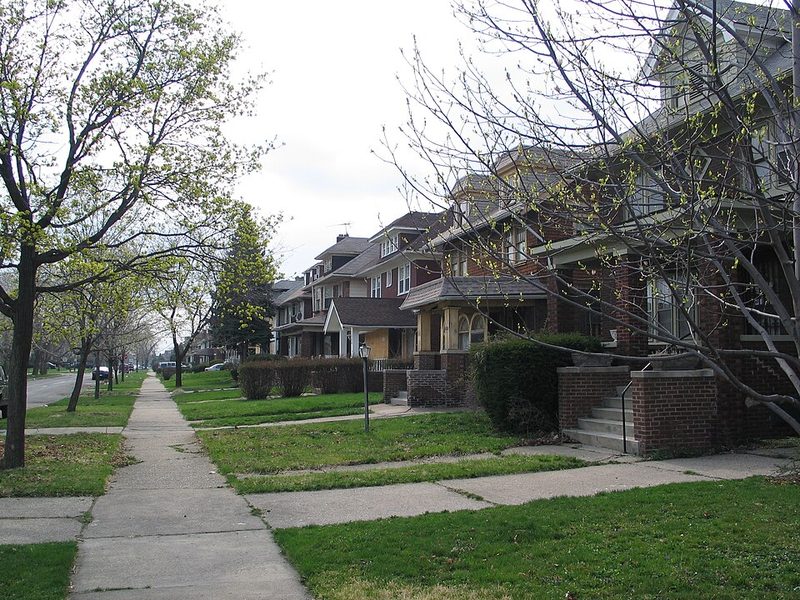
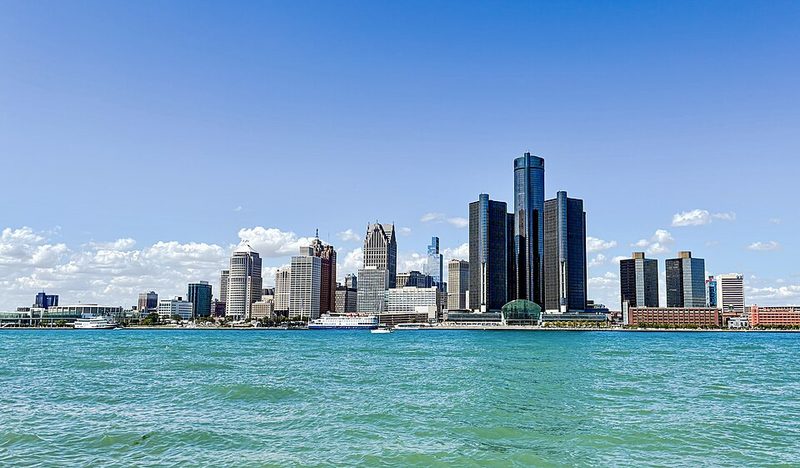
Detroit sits on the Detroit River opposite Windsor, Ontario—a city known worldwide as Motor City for its automotive legacy. The 645,000 residents live in Michigan's largest city, where industrial history remains visible in substantial brick structures, some restored, others awaiting investment. The river dominates the geography, forming an international border with Canada that shapes daily life and cross-border movement.
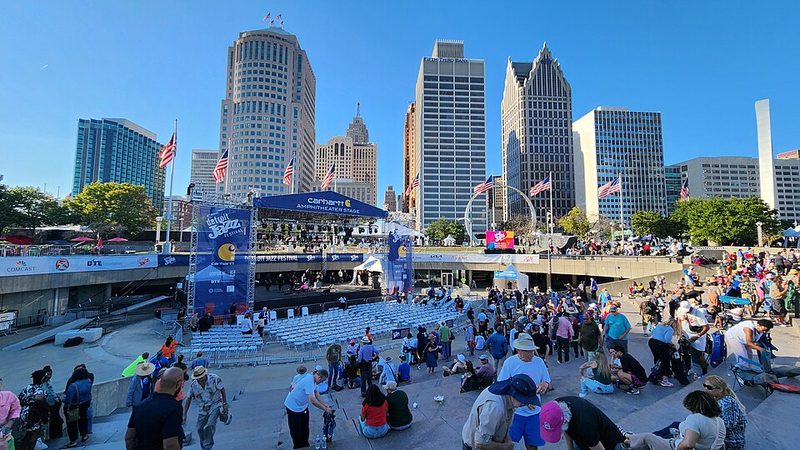
Visitors encounter a working city in transition. Neighbourhoods vary considerably in character; some display restoration and new businesses, others show long-term disinvestment. The automotive industry shaped Detroit's identity for generations, and its decline since the 1970s left visible marks—the population fell from 1.8 million in 1950 to around 620,000 by the early 2020s. Cultural institutions, including the Detroit Institute of Arts and Motown Museum, anchor the city's identity alongside ethnic neighbourhoods like Greektown and Mexicantown.
Geography and Setting
Detroit occupies southeastern Michigan on the Detroit River, connecting Lake Huron to Lake Erie. The city sits at roughly 192 metres above sea level on relatively flat terrain characteristic of the Great Lakes region. Winters bring cold temperatures and significant snowfall; summers are warm. The river crossing to Windsor is immediate—Canadian soil is visible across the water. The Ambassador Bridge and Detroit-Windsor Tunnel provide vehicle crossings, whilst the Ambassador Bridge accommodates pedestrians.
Historical Background
Detroit's recorded history begins in 1701, when French coloniser Antoine de La Mothe Cadillac arrived with approximately one hundred settlers to establish a fur-trading post. The strategic position on the Detroit River made the location valuable. Enslaved Africans were brought to labour in trapping and agriculture under French, British, and later American rule; slavery persisted until Michigan became a state in 1837.
The War of 1812 brought the Siege of Detroit (also called the Battle of Fort Detroit). In 1812, a British force under Major General Isaac Brock, allied with Indigenous warriors led by Shawnee leader Tecumseh, used bluff and psychological pressure to force American Brigadier General William Hull to surrender the fort and town. The American force actually outnumbered the British and Indigenous coalition, but Hull capitulated. The event marked an early turning point in the war.
The Great Fire of 1805 swept through the settlement, destroying much of the town. Reconstruction followed, and the city continued to grow as a transportation and commerce hub. By the 19th century, pharmaceutical manufacturing, tobacco production, and other industries had established footholds.
The Automotive Era
The rise of the automobile industry in the early 20th century transformed Detroit entirely. Henry Ford's innovations in mass production and the presence of General Motors—headquartered in Detroit—made the city synonymous with automotive manufacturing. For much of the 20th century, the automobile industry sustained the economy and drew workers from across North America and beyond.
General Motors, headquartered in the city, became the world's largest automaker for 77 years before losing that position to Toyota in 2008. The company manufactures Chevrolet, Buick, GMC, and Cadillac vehicles. Since the 1970s, manufacturing decline created sustained economic challenges. That loss reshaped neighbourhoods and remains visible in the urban landscape.
Motown and Cultural Heritage
Detroit's African American community has been central to the city's cultural production. The Motown music genre emerged here in the 1960s, becoming an international phenomenon. Berry Gordy founded the label, and the original Hitsville U.S.A. building on West Grand Boulevard (later renamed Berry Gordy, Jr. Boulevard) now operates as the Motown Museum. Studio A and Gordy's upstairs apartment appear as they did during the 1960s, with costumes, photographs, and memorabilia documenting the era. The museum is one of Detroit's most popular destinations.
Cultural Institutions and Neighbourhoods
The Detroit Institute of Arts houses significant collections, including Diego Rivera's Detroit Industry Murals (1932–1933). The series of twenty-seven fresco panels depicts industry at the Ford Motor Company and surrounds the interior Rivera Court. The murals are often considered the most complex artworks devoted to American industry.
Belle Isle Park, a 987-acre island in the Detroit River, contains the Anna Scripps Whitcomb Conservatory, the Belle Isle Aquarium, the Dossin Great Lakes Museum, the James Scott Memorial Fountain, athletic fields, a half-mile swimming beach, and a golf course. The island offers green space and access to Great Lakes maritime history.
Eastern Market operates as a historic public market with Saturday market days throughout the year (6am–4pm), plus seasonal Tuesday and Sunday markets from June through September. The market covers 4.5 acres across several sheds and is a hub for the Michigan food industry, welcoming farmers, retailers, and vendors.
Neighbourhoods like Greektown and Mexicantown retain distinct cultural character and community spirit, reflecting waves of immigration. The Detroit Historical Museum offers engagement with the city's past.
Recent Developments
Since the 1970s, Detroit has experienced economic contraction, racial and social challenges, and dramatic population loss. These forces left visible scars and remain part of the city's ongoing story. At the same time, grassroots efforts, cultural investment, and new business development represent active attempts to reshape the city's future. City leaders have worked to attract new businesses and improve infrastructure. The narrative is genuinely mixed—neither triumphalist recovery nor simple decline, but a working city in transition.
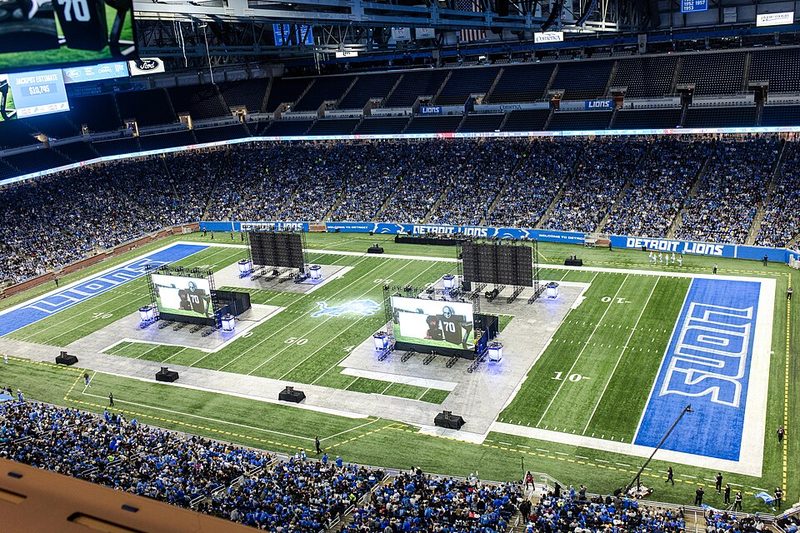
The Detroit Grand Prix remains a notable sporting event that draws attention. The cultural sector has grown in importance, with the city's industrial-era architecture undergoing selective restoration and repurposing.
Practical Information
Detroit Metropolitan Airport offers connections to major North American and international destinations. The city is accessible by car via interstate highways and by Amtrak rail service. Bus service is available through local and regional providers. Local transport details should be confirmed with current providers before travel.
Detroit operates on Eastern Time (America/Detroit). Travel advisories for the United States maintain normal precautions; no specific warnings apply to Detroit. Visitors should check official sources for current entry requirements and conditions. Basic visitor services, accommodation, and dining options are available throughout the city, though specific recommendations should be researched locally or through current tourism resources.