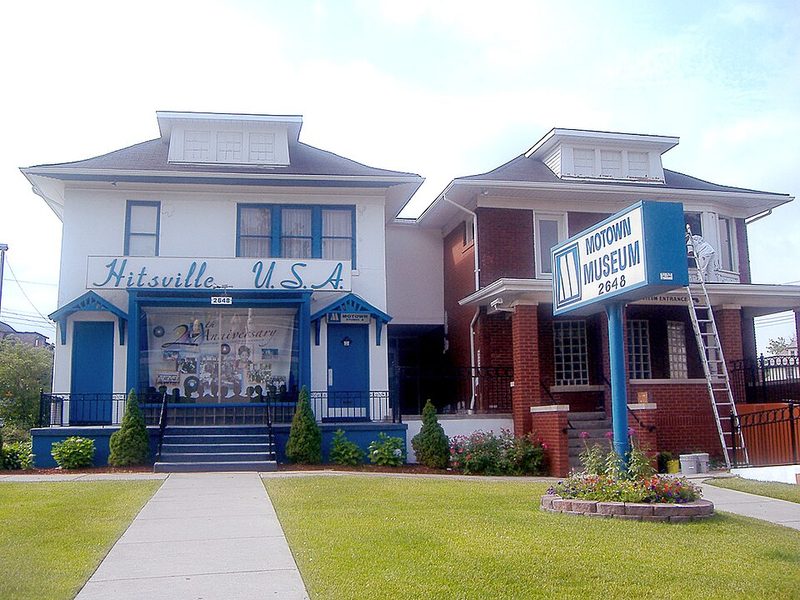
The Motown Museum occupies the modest two-storey house at 2648 West Grand Boulevard where Berry Gordy Jr. founded Motown Records in 1959 and created one of the most influential sounds in American music history. The site, known as Hitsville U.S.A., preserves the original Studio A recording space where artists including The Supremes, The Temptations, Marvin Gaye, Stevie Wonder and The Jackson 5 recorded hits that defined a generation. The museum offers guided tours through rooms where the Motown sound was born and where the business machinery behind the music operated.
Studio A and the Recording Legacy
Studio A remains the centrepiece of the museum experience. This small ground-floor room, measuring approximately 22 by 20 feet, hosted recording sessions throughout the 1960s and early 1970s. The Funk Brothers, Motown's house band, worked in close quarters here alongside vocalists and producers, creating a distinctive sound characterised by tight arrangements, prominent bass lines and sophisticated production. The studio's acoustic properties—partly accidental, resulting from its residential origins—contributed to the warmth of Motown recordings.
Visitors see the original recording equipment, instruments and the booth where producers directed sessions. The space preserves the atmosphere of intensive creative collaboration that Berry Gordy fostered. Artists often worked long hours here, refining performances and arrangements until they met Gordy's exacting standards. The proximity of living quarters to the studio meant that informal gatherings and late-night sessions blurred the boundaries between work and social life.
Berry Gordy's Vision and Business Model
Berry Gordy purchased the house for $8,000 and borrowed an additional $800 from his family to establish Tamla Records, which became Motown Record Corporation in 1960. Gordy's approach combined musical innovation with rigorous business discipline. He established an in-house system covering songwriting, artist development, choreography and quality control. The upstairs apartment, preserved in the museum, shows where Gordy lived during the company's formative years, with period furnishings reflecting the modest beginnings of an enterprise that would generate substantial wealth.
The museum displays photographs, costumes, gold records and memorabilia documenting Motown's rise. Exhibits cover the careers of major artists and the behind-the-scenes personnel who shaped the label's output. The Gordy family's involvement extended across multiple roles; Berry's sister Anna married Marvin Gaye, and family members held key positions in the organisation's finance and artist development departments.
Visitor Information
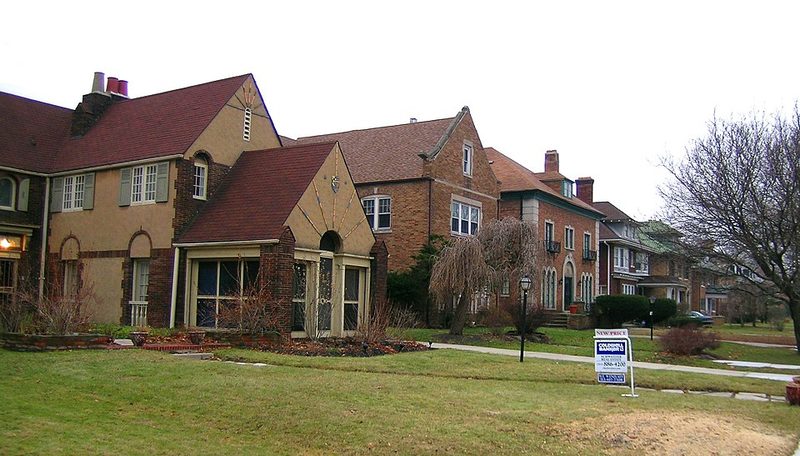
The Motown Museum operates guided tours by advance booking. Tours last approximately one hour and admission is by guided tour only; unguided visits are not available. The museum opened its first exhibition space at the Esther Gordy Edwards Centre for Excellence in 2026, expanding beyond the original Hitsville house. The neighbourhood around West Grand Boulevard has changed considerably since Motown's heyday, but the museum site retains its original character. West Grand Boulevard was renamed Berry Gordy Jr. Boulevard in the area surrounding the museum.
Visitors should book tickets through the museum's official channels, as tour times can sell out. Tickets are for specific dates and times and cannot be rescheduled or refunded. Late arrivals may not be admitted. The museum remains one of Detroit's most popular visitor attractions, drawing music enthusiasts from around the world to see where a small independent record label became a cultural phenomenon. Current visiting hours and admission details should be confirmed through the museum's official website before travel.
Sources: Motown Museum Official Site • Hitsville U.S.A. - Wikipedia • Motown Museum Guidelines