

What Edmonton is known for
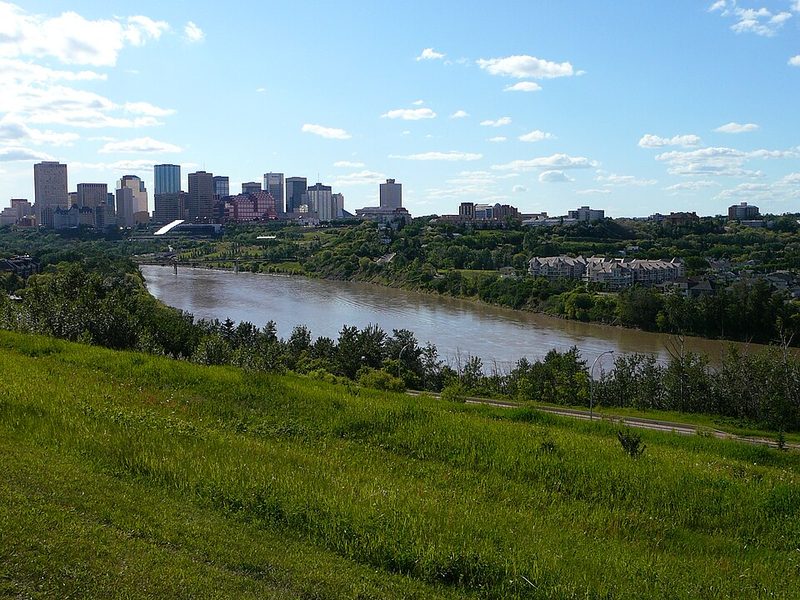
Alberta's capital sits on the North Saskatchewan River, anchoring Canada's fifth-largest metropolitan region about 290 kilometres north of Calgary. The city occupies both banks of the river at roughly 610 metres above sea level, spreading across central Alberta's plains. What distinguishes Edmonton immediately is its river valley—a continuous ribbon of connected urban parkland that forms the longest such system in North America, winding through the centre of the city and shaping how residents and visitors move through the urban landscape.
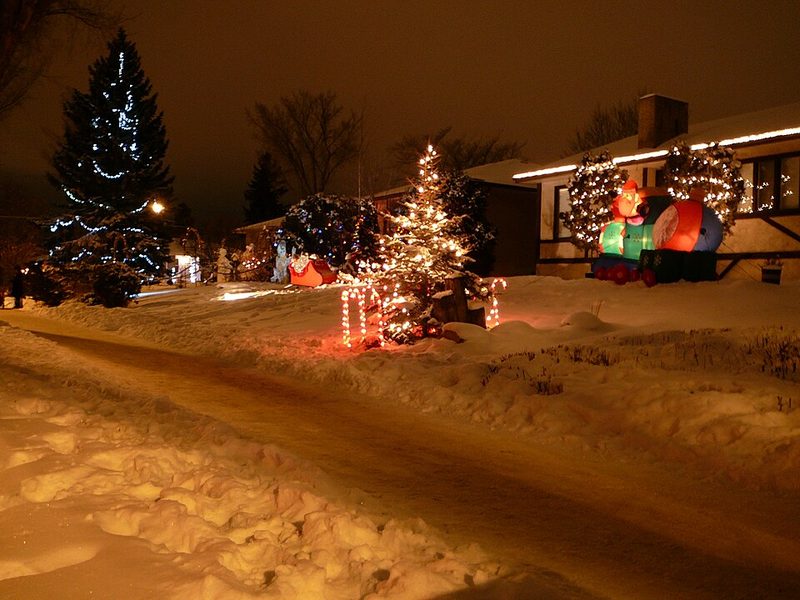
The winters here are long and severe; the summers brief and bright. The city's northern latitude and continental climate define the rhythm of life and should inform any visit.
Historical Background
Fort Edmonton was established in 1795 as a Hudson's Bay Company fur-trading post, named after the English town of Edmonton by John Peter Pruden, a deputy governor of the company. Anthony Henday, a Hudson's Bay Company explorer, is believed to have reached the area in 1754 to trade with First Nations groups who had inhabited the region for thousands of years. Archaeological evidence suggests human habitation as early as 10,000 years ago, with more sustained settlement from around 3000 BC. The Old North Trail, used by Indigenous peoples long before European contact, passed through what is now Old Strathcona and Rossdale.
This fur-trading origin shaped the early city's character and remains embedded in its historical identity, visible today at Fort Edmonton Park, which preserves the settlement's early history.
Festivals and Cultural Life
Edmonton carries the informal title "Canada's Festival City," hosting over 50 festivals and special events throughout the year. The Edmonton International Fringe Theatre Festival, held for 11 days each August, is North America's largest and oldest fringe festival, featuring more than 220 theatre productions across 40 venues with performances by over 1,600 artists from Canada and beyond. The Edmonton Folk Music Festival and the Edmonton Heritage Festival—held annually over the Civic Holiday weekend in William Hawrelak Park—celebrate the region's cultural diversity and have become fixtures of the city's identity.
These gatherings are not promotional exaggerations but embedded aspects of how the city functions and what residents value.
The River Valley
The North Saskatchewan River valley parkland is the most distinctive feature visitors encounter. The system includes trails for walking, running and cycling, along with baseball fields, dog parks, playgrounds, sports fields and tennis courts distributed throughout the valley. The Muttart Conservatory, with its distinctive pyramidal glass structures, sits within the river valley and serves as a visible landmark. William Hawrelak Park, also in the valley, hosts major festivals and provides year-round recreation.
The valley is not a peripheral amenity but the central geographic feature of the city, genuinely generous in scale and worth exploring on foot or by bike.
Institutions and Economy
The University of Alberta, founded in 1908, is a major research institution whose presence shapes the intellectual and economic life of the region. West Edmonton Mall, with over 800 stores, is one of the world's largest shopping centres and functions as a regional retail and entertainment hub. The city is home to the Edmonton Oilers ice hockey team and maintains significant sports infrastructure including Commonwealth Stadium and Clarke Stadium.
BioWare, the video game developer founded here in 1995, represents another dimension of the city's modern economy and creative industries.
Practical Orientation
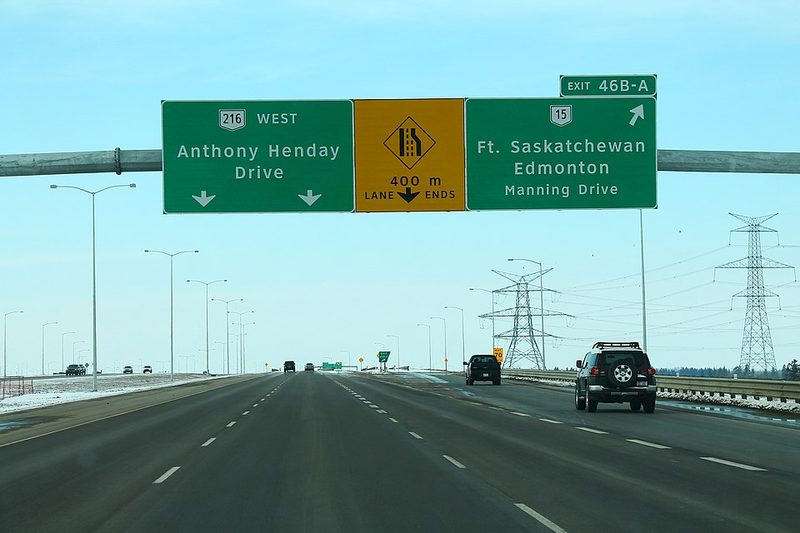
Edmonton International Airport serves as the primary air gateway. The city's location on the Calgary-Edmonton Corridor connects it to the broader regional economy and transportation networks of central Alberta. The river valley geography means that crossing between the north and south sides of the city requires deliberate routing—visitors arriving by car should plan their movements accordingly.
Edmonton operates on Mountain Standard Time (America/Edmonton timezone). The city's elevation and northern latitude result in significant winters; visitors should plan clothing and activities accordingly. Current transport connections, services, accommodation options and specific attraction hours should be checked locally before arrival, as details change seasonally.
Museums and Attractions
Fort Edmonton Park is Canada's largest living history museum, with 75 structures including many original buildings, horse-drawn carriages and historic vehicles recreating the fur-trading and pioneer eras. The park is currently developing the Indigenous Peoples Experience, a new signature component. The Royal Alberta Museum provides context on Indigenous culture and the stories that have shaped the region, known as Amiskwaciwâskahikan in Cree and part of Treaty 6 territory.
The Edmonton Valley Zoo and John Janzen Nature Centre offer outdoor recreation within city limits. The John Walter Museum provides local heritage context. The Muttart Conservatory displays botanical collections within its pyramid structures in the river valley.
Roughly 5 per cent of Edmonton's population is Indigenous, and understanding this presence is central to understanding the city. Métis Crossing and Indigenous-led tours provide opportunities to engage with this history and contemporary culture.
Getting Around
Ground transport within and out of the city should be confirmed locally for current schedules and routes. The 100 Street Funicular provides a physical connection between downtown and the river valley, functioning as both a local landmark and practical infrastructure. The North Saskatchewan River itself, while central to Edmonton's identity and recreation, is not a transport corridor in the modern sense.
Information on specific routes, timings and connections changes and should be verified before travel.