

What Fortaleza is known for
Settlement Guide: Fortaleza, Ceará, Brazil
Fortaleza hits you with light first—constant, generous sunshine that earned the city its nickname, "Land of Light." As the fourth-largest city in Brazil and the capital of Ceará state, it anchors the Northeast with a unique blend of colonial heritage, design-forward urban thinking, and the kind of maritime energy you feel the moment sea air reaches the streets. With a metropolitan population approaching 4 million, it is the economic and commercial heartbeat of its region, yet it retains the character of a place shaped by indigenous, African, caboclo and sertanejo cultural roots that still run through daily life.
First Impressions and Setting
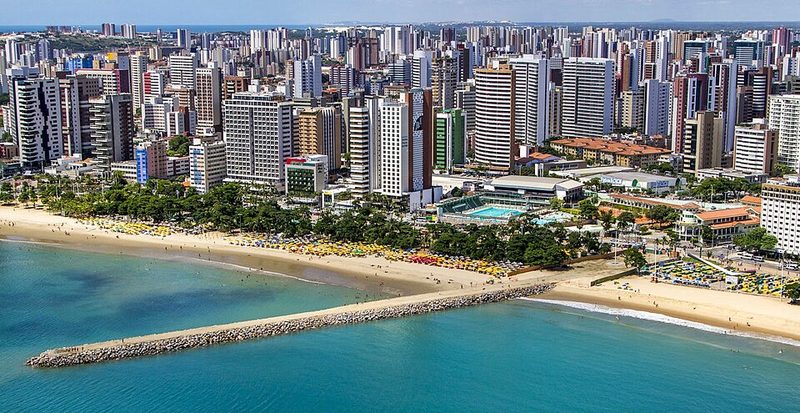
Fortaleza sits at the edge of the Atlantic, low and bright above pale sand. The city sprawls across relatively flat terrain near sea level, which means the heat and humidity are constant presences—the kind that make cold drinks, late dinners and long evenings the rhythm of local life. Over 30 kilometres of coastline define the city's geography and psychology. Beaches are not a weekend escape here; they are integral to how the place functions and how people move through it.
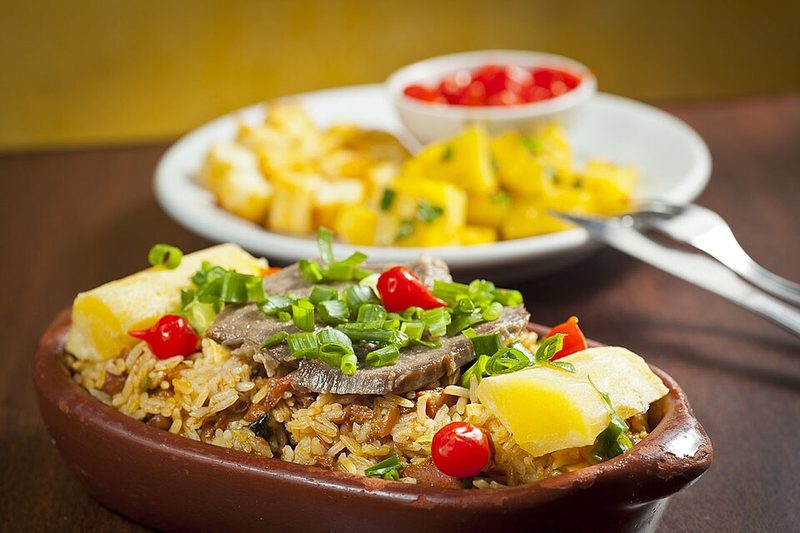
The waterfront districts have character distinct from the inland commercial core. Iracema Beach, with its breakwaters and views across the water, has accumulated bars, nightclubs and live music venues that pulse into the evening. Praia do Futuro draws swimmers and families and hosts traditional food culture—Thursday nights there feature Quinta do Caranguejo, a gathering where crab stalls, drinks and music create something between a festival and a market. These are not theme-park constructions; they are where residents actually spend time.
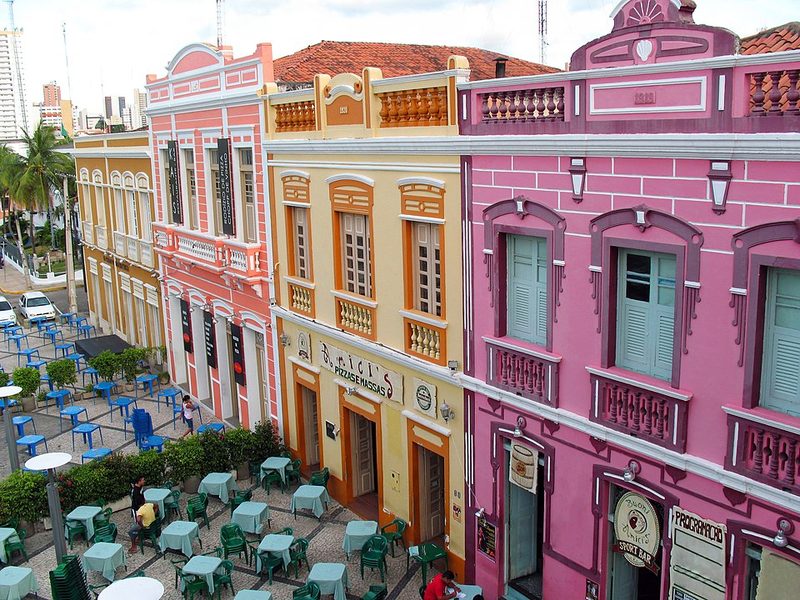
The city's design identity is visible in the urban fabric. In recent years, bike paths have become a trademark of the streetscape, reflecting integration of design thinking into planning and daily movement. This forward-looking attitude sits alongside older neighbourhoods and the historic Centro, where the architecture and street patterns still echo the colonial period.
History, Identity and Local Stories
Portuguese settlers established a colonial foothold here in 1603, and that date matters because it means Fortaleza has over four centuries of layered history visible in its oldest quarters. The Centro preserves this heritage, though it has evolved into a working commercial district rather than a museum. The Museu do Ceará, open since 1933, documents the state's cultural and natural history and sits on Rua São Paulo in the Centro with free admission—a public resource that reflects how the city values its own memory.
The broader cultural identity draws from three deep wells: indigenous traditions that predate Portuguese arrival, African heritage tied to the period of slavery and its legacies, and the distinct sertanejo culture of the semi-arid interior. These layers do not sit as separate exhibits; they inform how residents understand themselves and how the city marks time through music, carnival celebrations, and local humor traditions. Literature and cinema are part of this landscape too, though the specific names and venues should be checked locally for current programming.
Daily Life, Economy and Culture
For a resident, Fortaleza is primarily a place of commerce, industry and service work. The city ranks as the eleventh richest in Brazil by GDP and the wealthiest in the Northeast, with an economy built on trade, manufacturing, technology and increasingly on tourism. These are not abstract figures—they mean busy ports, construction activity, traffic patterns, and the constant economic pulse of a regional hub. The tourism sector has grown substantially; over four million people in the metro area depend on the economic dynamics that tourism helps sustain.
Design is not ornamental here; it is embedded in how the city thinks about itself and how it develops. This Creative City designation reflects a real emphasis on aesthetics and innovation in urban planning, which explains why something as ordinary as bike infrastructure becomes part of the city's identity.
The cultural rhythm includes festivals like Carnival, local music traditions, and a fashion scene, alongside the humor that residents and visitors alike notice as part of local character. If you spend time in markets, streets, and evening gatherings, you encounter this cultural texture constantly.
What Visitors Notice
The beaches dominate the sensory experience. The light truly is striking—that constant sunshine is not marketing language, it is a climate fact that shapes how people spend daylight and how the city feels. The water is warm enough for swimming year-round, and the coastal zones have enough infrastructure and activity that they do not feel isolated.
The Dragão do Mar area functions as a cultural node, particularly at night, with museums, theaters and galleries concentrated there. The complex includes movie theaters, a planetarium, and the Museum of Contemporary Art, making it a practical anchor for visitors interested in art, cinema and cultural programming. Museums, theaters, crafts, and food figure prominently in how the city presents itself.
The nightlife is notably intense. This is a city that eats and socializes late, and the venues, bars and restaurants operate on that rhythm. For visitors, this means the city can feel quiet in the early evening but animated and welcoming from late evening onward.
Nearby context matters too: Aquiraz, a neighbouring coastal area, offers Porto das Dunas with distinctive white sand and dune landscapes, giving the wider region distinct beach character.
Getting There and Around
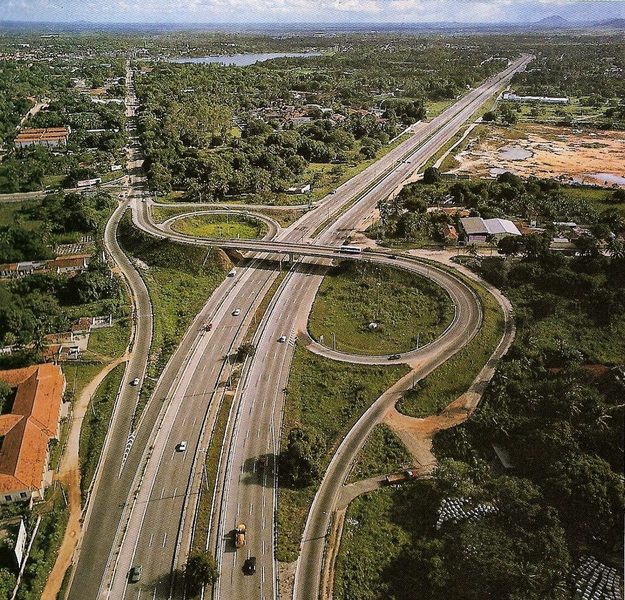
Fortaleza has an international airport serving the city. Ground transport within the city relies on buses and taxis; municipal buses are the primary public transit option, though like urban buses throughout Brazil, standard safety practices apply. Specific current schedules, routes and fares should be verified locally.
The city's coastal location makes it accessible by sea, and the port functions as a significant commercial hub. For most visitors, air travel is the practical entry point.
Practical Notes
Official travel advice for Brazil varies by region. Fortaleza itself does not fall within the restricted regions identified in current UK or US advisory references. However, visitors should check official sources—the UK Foreign, Commonwealth and Development Office and the US State Department maintain current country-level guidance. Standard urban travel practices apply: avoid isolated areas late at night, be aware of surroundings in crowded spaces, and use registered taxis or ride-sharing apps. The city receives millions of visitors annually and functions as a working, modern Brazilian metropolis with both opportunities and ordinary urban precautions.