


What Indianapolis is known for
Indianapolis was founded as a planned capital in 1820, when Indiana's legislature decided to site a new capital in the state's geographic centre. They hired Alexander Ralston, a surveyor who had worked under Pierre L'Enfant on Washington, D.C., to lay out the city from scratch. The result is a rational grid with Monument Circle at its heart and broad avenues radiating outward like spokes. Today Indianapolis sits as Indiana's capital and largest city, a working Midwestern hub where heritage, pharmaceutical industry and motorsports culture coexist on the gently rolling central plains.
Setting and Arrival
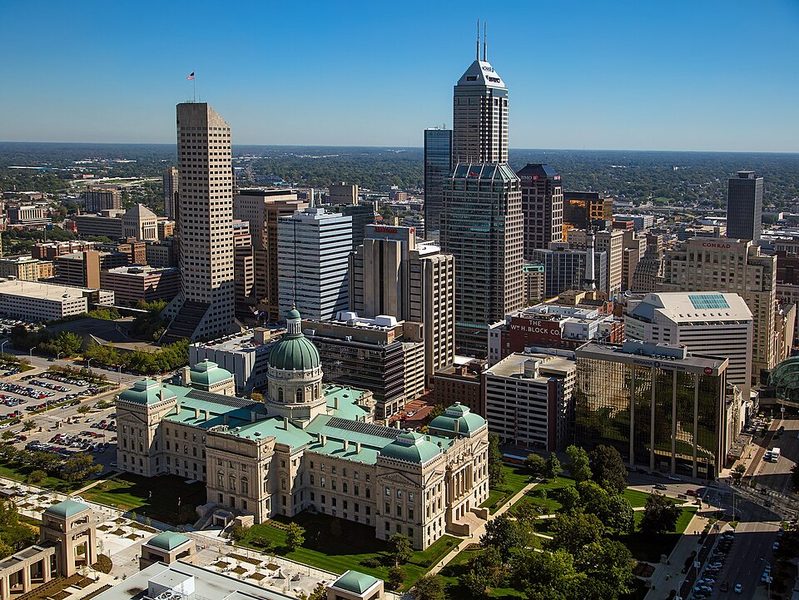
Indianapolis occupies level to gently rolling terrain in central Indiana, along the west fork of the White River. The city spreads across comprehensible blocks—wide streets, clear sightlines, logical geometry. Monument Circle, crowned by the 284-foot Soldiers' and Sailors' Monument completed in 1902, anchors the central business district. The terrain is neither dramatic nor mountainous, but understated and practical, giving the city a measured, grounded character.
White River State Park runs through the downtown core near the riverfront, mixing cultural institutions with green space. The park houses the Indiana State Museum at 650 West Washington Street alongside other venues. This combination of deliberate urban planning and public investment gives Indianapolis a sense of coherent identity rather than haphazard growth.
Historical Foundations and Civil War Legacy
Indianapolis was incorporated as a city in 1847 and grew from its planned beginnings into a diverse industrial centre. The grid layout was conceived as part of westward expansion—a tangible expression of order and progress in the nation's interior.
Indiana contributed approximately 210,000 Union soldiers, sailors and marines during the American Civil War, with Indiana units seeing combat in 308 military engagements, primarily in the western theatre. The Soldiers' and Sailors' Monument on Monument Circle commemorates this sacrifice. Completed in 1902, the neoclassical monument stands as an iconic symbol of the city and reflects how seriously Indianapolis took its role in American history.
Motor Heritage and the Indianapolis 500
Indianapolis became an automotive manufacturing centre in the early 20th century. The Stutz Motor Car Company, founded in 1911, produced high-end sports and luxury cars at its Indianapolis factory until the Great Depression shuttered operations in 1938. Other firms including the American Motor Car Company pioneered designs here as well.
That automotive heritage survives most visibly at the Indianapolis Motor Speedway, home to the Indianapolis 500 since 1911. The speedway was placed on the National Register of Historic Places in 1975 and designated a National Historic Landmark in 1987—the only such site affiliated with automotive racing history. The Indianapolis Motor Speedway Museum displays hundreds of race cars dating back over a century and thousands of Indy 500 artefacts, including the Borg-Warner Trophy originally commissioned in 1935.
Economy and Contemporary Life
Indianapolis today centres on a diversified economy anchored by pharmaceutical and healthcare sectors, most notably Eli Lilly and Company, a major global pharmaceutical employer based in the city. Manufacturing remains present though transformed from its early 20th-century automotive peak. The city continues to serve as a regional commercial and distribution hub—its official slogan, "Crossroads of America," reflects this transportation heritage and central Indiana location.
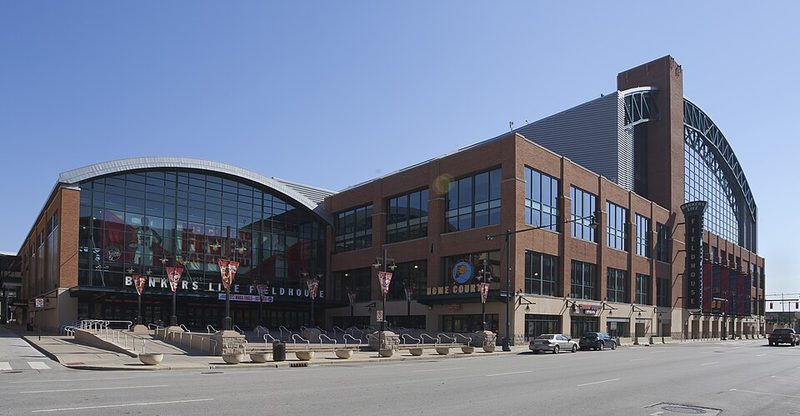
The Indianapolis Colts professional football team anchors sports culture alongside the motorsports legacy. Cultural venues include the Indiana State Museum and institutions within White River State Park. The city has invested in neighbourhood revitalisation efforts across different districts, reflecting both heritage preservation and contemporary growth.
Neighbourhoods and Districts
Fountain Square, located southeast of downtown along Virginia Avenue, developed a distinctive German character beginning in the 1870s due to large numbers of German immigrants settling the area. Irish, Italian and Danish immigrants followed, though Fountain Square retained German character well into the 20th century. Following revitalisation in the 1990s and 2000s, the neighbourhood has grown into a distinct district roughly one mile from downtown.
Cultural Figures and Literature
Kurt Vonnegut, the novelist and Indianapolis native, is commemorated at the Kurt Vonnegut Museum and Library at 543 Indiana Avenue. The museum champions the literary, artistic and cultural contributions of the late writer, artist and teacher. The collection includes a replica of his writing studio and documents from his career.
Practical Information
The planned layout makes Indianapolis straightforward to navigate. Monument Circle serves as a navigational anchor downtown, with the monument itself visible from many locations. The city spreads horizontally with generous avenues and clear sightlines rather than dense vertical development.
Indianapolis is accessible by major highways and serves as a regional transportation hub. Visitors should verify current transport connections, schedules and service details through official city resources.
Visitor Considerations
Indianapolis offers visitors a coherent blend of deliberate urban planning, documented Civil War and industrial history, and contemporary cultural life. The city's identity as a carefully designed capital gives it a sense of order and legibility that contrasts with many organically developed American cities. For those interested in American Midwest culture, Civil War history, Gilded Age architecture or motorsports heritage, Indianapolis provides genuine material. The city works both as a base for exploring central Indiana and as a destination in its own right.