Official Travel Advisory and Current Safety Context
The UK Foreign, Commonwealth & Development Office advises against all travel to Iran, including Karaj and all other settlements within Iranian territory. The US State Department maintains a Level 4 "Do Not Travel" advisory for Iran. These advisories apply without geographic exception.
The stated reasons for the current advisory include ongoing regional escalation involving US and Israeli strikes on Iranian infrastructure including ports, roads, railways, bridges, energy facilities, oil production sites, water systems, and airports. The advisory also cites very high risk of arrest, detention, and questioning faced by foreign nationals, particularly British passport holders and those with UK connections, regardless of dual nationality status. Additionally, severe disruption to communications infrastructure has caused significant limitations on internet access and telecommunications across the country.
British and British-Iranian dual nationals are explicitly noted as being at particular risk of detention by Iranian authorities. Persons considering any travel to Iran are advised to consult current official guidance from their own government before making any decisions.
Recent Conflict and Risk Background
Official travel advisories identify Iran as subject to heightened security risk due to armed clashes, missile strikes, and associated infrastructure damage. The available sources indicate that regional military escalation continues to affect Iranian territory, including critical infrastructure. Communication disruptions reported in official advisories suggest that contact with persons inside Iran and access to reliable local information may be severely limited.
Historical Context
Karaj occupies a significant position in Iran's historical record. The earliest evidence of human inhabitation in the area dates to the Bronze Age, identified at the archaeological site of Tepe Khurvin. The settlement's name derives from Persian, meaning "mountain range," reflecting its position at the foot of the Alborz mountain chain.
The city developed substantially during the Safavid and Qajar imperial periods. The Shah Abbasi Caravanserai, a Safavid-era structure, represents the city's historical importance as a waypoint on trade routes. The Soleymaniyeh Palace, a Qajar-era royal residence, contains historical paintings and remains a documented example of later imperial architecture.
Geography and Settlement Setting
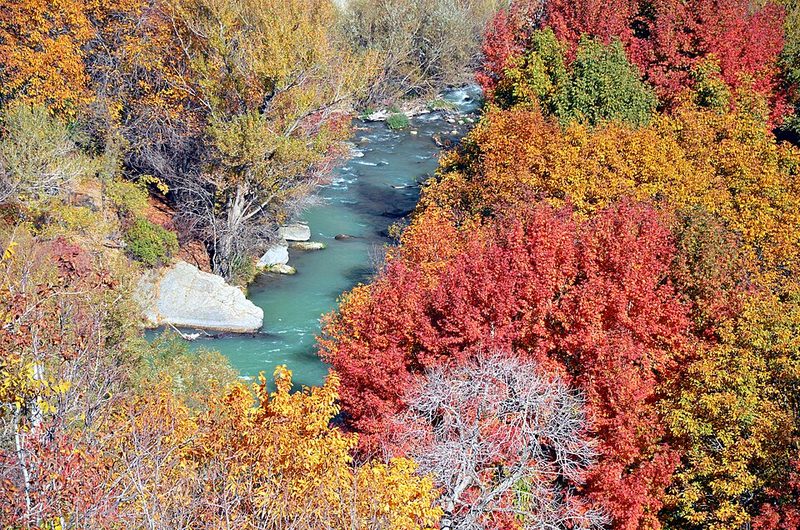
Karaj is situated west of Tehran at an elevation of approximately 1,341 metres above sea level, positioned at the foot of the Alborz mountain range. The city serves as the capital of Alborz Province, itself the thirty-first and smallest province in Iran, administratively separated from Tehran Province. The settlement's access to natural resources including rivers, tree cover, and plains has historically influenced its climate and development.
With a population exceeding 1.4 million, Karaj ranks as the fourth most populous city in Iran after Tehran, Mashhad, and Isfahan. The city has received significant internal migration and has been described as "Little Iran" due to its role as an immigrant-friendly settlement after Tehran.
Industrial and Economic Context
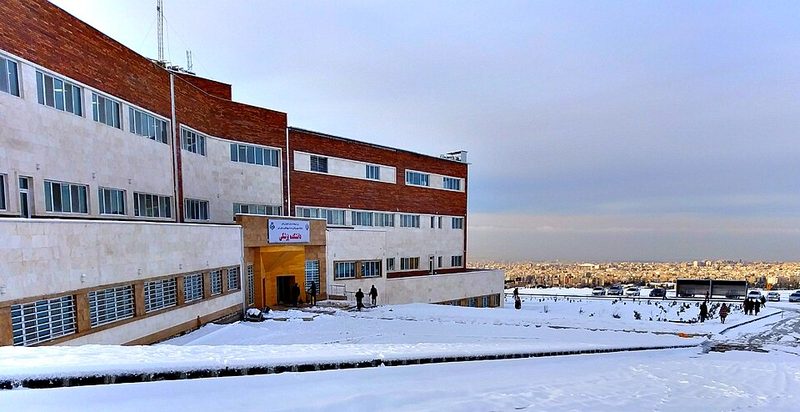
Karaj functions as a significant industrial and agricultural hub. The city is home to production sectors including textiles, plastics, wire manufacture, and sugar processing. The settlement also hosts multiple universities and research centres, supporting an educational and scientific role in the region.
Heritage and Cultural Sites
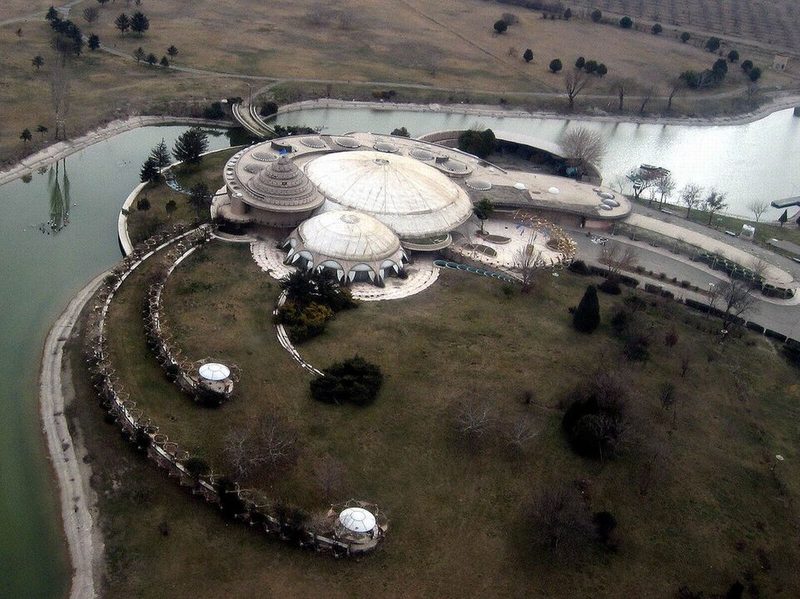
The available sources indicate that Karaj is home to palaces, mosques, parks, and historic monuments from the Safavid and Qajar periods. Some landmarks are noted in heritage documentation, though specific current access or condition information is not available in the sources consulted.
Nearby Regional Context
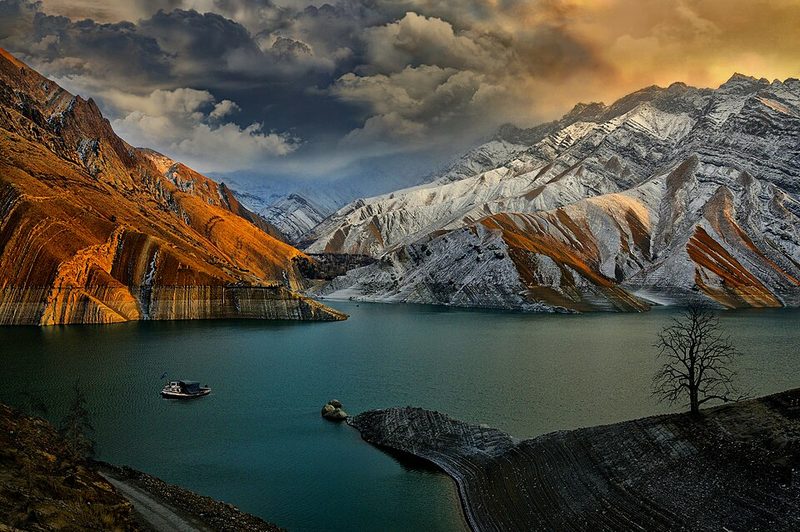
The wider Alborz Province region, of which Karaj is the capital, is known for natural features including the Alborz mountain range, the Chalous Road, Uzbeki Hill, Tulip Garden, and Dam Lake. Kandovan Caves and Alamut Castle are identified in available sources as regional attractions, though their proximity to Karaj itself and current accessibility require local verification.
Practical Notes
Official travel advisories are the authoritative source for current security conditions and entry requirements. Persons with any intention to travel to or contact persons in Karaj should consult up-to-date government travel advisories and maintain regular contact with their own government's diplomatic mission before making any arrangements.
Current communication disruptions mean that reliable contact with local services, accommodation providers, or individuals may be severely limited. Travellers should verify all practical information directly with official sources in their country of residence and with the Iranian authorities.
Information on local transport, current business operations, healthcare facilities, and daily services should be sought from current official channels rather than from this reference. Local knowledge and recent on-the-ground experience are limited in the sources available to this article. Persons with direct local knowledge or recent first-hand experience are invited to contribute updates.