Official Travel Advisory and Current Safety Context
The United States Department of State advises against travel to the Democratic Republic of the Congo, citing a high threat of terrorist attack. The UK Foreign and Commonwealth Office (FCDO) advises against all but essential travel to certain districts within Kinshasa city itself—specifically N'djili and Kimbanseke south of the main N'djili airport access road in Nsele commune. The FCDO also advises against all but essential travel to the N1 road in Kinshasa Province extending westward to Menkao and eastward to Kenge. These restrictions reflect persistent security concerns in the wider region. The eastern provinces of the DRC face significantly more severe restrictions, with travel advised against entirely. Persons in the country should monitor official advisories from their government and register with their embassy. Insurance and evacuation provisions vary; verify coverage before travel or residence.
Recent Conflict and Risk Background
The Democratic Republic of the Congo has experienced decades of armed conflict, political instability, and human rights abuses that have left lasting impacts on governance, economic development, and public security. Kinshasa itself has not been the site of major active warfare in recent years, but the city has experienced civil unrest, including documented incidents during political transitions and periods of state crackdown on opposition movements. The eastern provinces—North Kivu, South Kivu, and Ituri—remain sites of ongoing armed group activity and militia conflict, conditions which have created regional displacement and refugee flows. The combination of armed activity, terrorism-related threats, and criminality across the country has contributed to the travel restrictions now in place.
Historical Context
Kinshasa was established in 1881 as a trading post under the African International Company and later the Congo Free State, initially named Léopoldville. During Belgian colonial rule (1908–1960), the settlement developed as an administrative and commercial centre with planned urban infrastructure reflecting colonial-era segregation policies. The city became the capital of the newly independent Democratic Republic of the Congo in 1960 and was renamed Kinshasa in 1966. The post-colonial period has seen significant population growth alongside infrastructure strain and recurrent political crises. The city's history reflects the broader patterns of colonial extraction, rapid urbanization, and post-independence governance challenges that have defined the DRC's development.
Geography and Settlement Setting
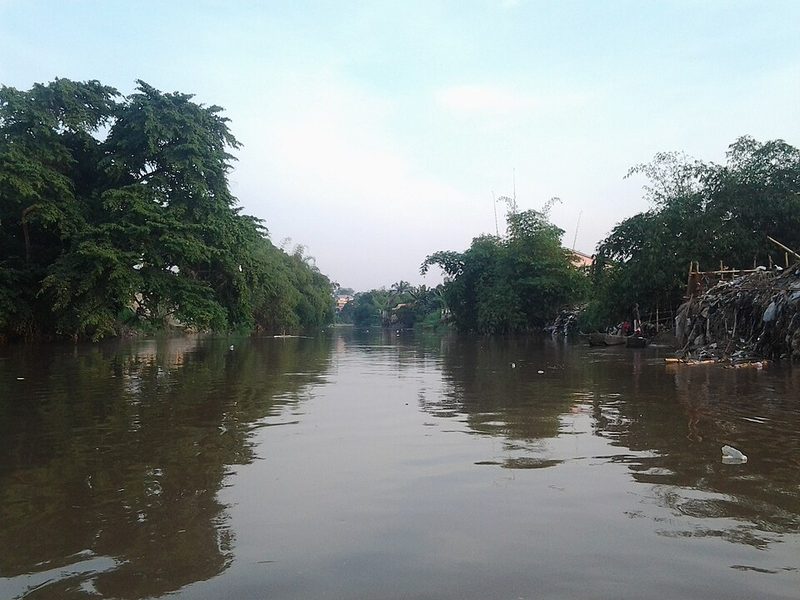
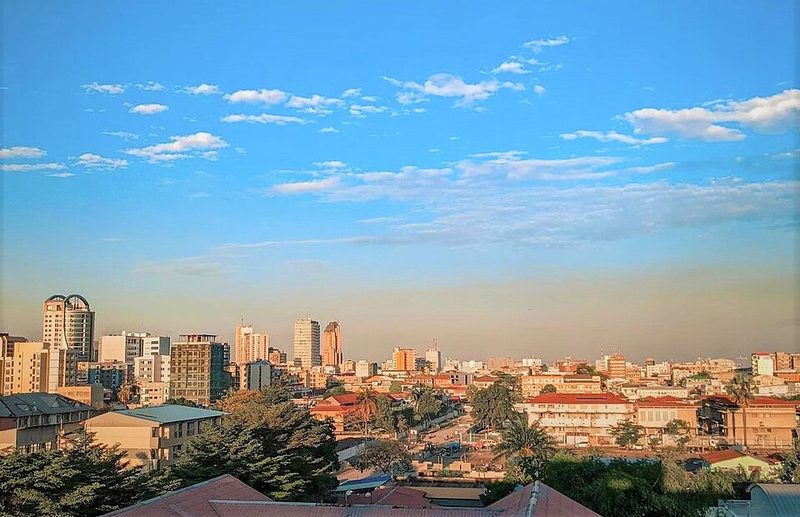
Kinshasa sits on the southern bank of the Congo River at an elevation of 281 metres, positioned directly opposite Brazzaville, the capital of the Republic of the Congo, across the river. This geographic arrangement makes Kinshasa and Brazzaville the only two national capital cities facing each other across the same river within view. The Congo River itself is navigable and historically served as a principal transport artery; its hydroelectric potential remains substantial though largely undeveloped. The city is administratively organized as a city-province divided into 24 communes and has become one of Africa's most densely populated urban centres. Current population estimates place the metropolitan area at approximately 16 to 18.5 million residents, making it the third-largest metropolitan area in Africa and the seventh-most populous city globally.
Economic and Institutional Role
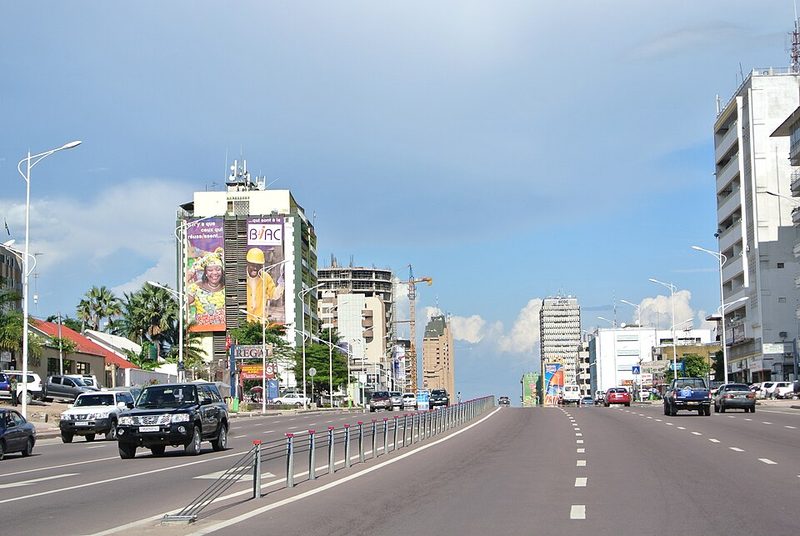
Kinshasa is the administrative, economic, and cultural hub of the Democratic Republic of the Congo, housing major government institutions including the People's Palace, Palace of the Nation, Constitutional Court, and related national agencies. The city contains the country's principal banking and telecommunications infrastructure, as well as manufacturing and light industry. However, the economy remains fragile, shaped by decades of political corruption, misgovernance, and civil conflict. Despite the DRC's substantial mineral wealth in cobalt and diamonds, Kinshasa's economy has not stabilized. Much economic activity operates informally, with residents engaging in small-scale trading and barter. Formal employment and reliable public services are limited, and infrastructure decay remains visible across many neighbourhoods. Foreign investment and international support remain inconsistent.
Daily Life and Local Character
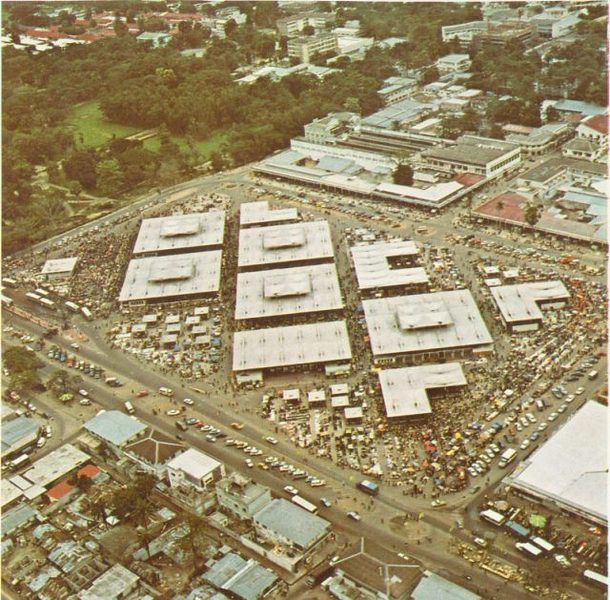
Kinshasa has a rich cultural heritage influenced by traditional Congolese practices and modern urban life. The city hosts museums, including the National Museum of Congo and the Contemporary Art Museum, and religious landmarks such as the Basilica of St. Anne. Local music and artistic traditions remain significant to the city's cultural identity. Markets operate throughout the city, though conditions in many neighbourhoods remain challenging due to poverty, inadequate water and sanitation, and limited healthcare access. The informal economy dominates daily life for many residents. The city also experiences significant refugee and displacement populations from regional conflicts, adding pressure to already limited services.
Practical Notes
Persons considering travel to or residence in Kinshasa must review current official travel advisories from their government before departure. Verify that travel insurance covers the destination and includes evacuation provision. Register with your embassy upon arrival. Secure lodging and remain informed of local security conditions. The city lacks reliable public transportation; movement depends on private vehicles or informal taxi services. Access to reliable electricity, clean water, and medical facilities is uneven. Persons should avoid the designated restricted zones and keep informed of any changes to official guidance, which can shift with political or security developments. Check official sources regularly for updates.