

What Kitakyūshū is known for
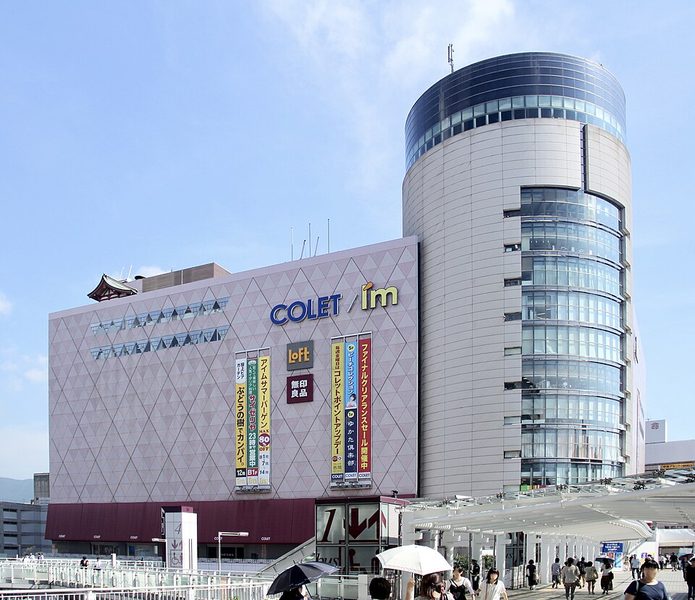
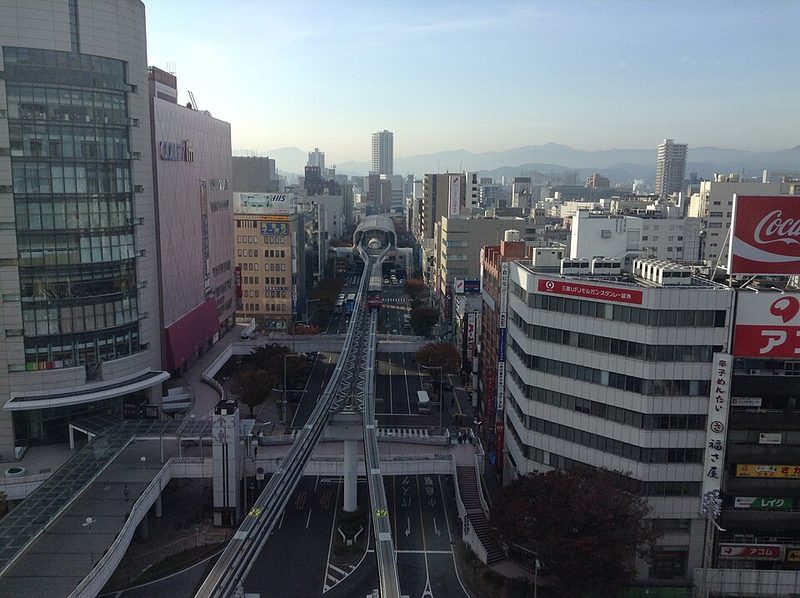
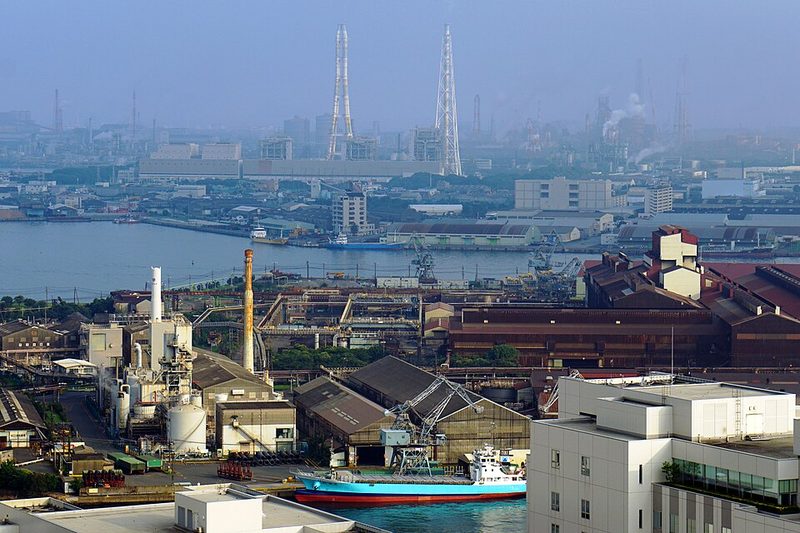
Kitakyūshū occupies Kyushu's northern tip, shaped by a thousand years of maritime trade and then radically remade during Japan's industrial revolution. With a population of 941,000, it is the second-largest city in both Fukuoka Prefecture and Kyushu island. The city faces the Kanmon Strait, which separates Kyushu from Honshu, making it both a destination and a threshold. This is not a polished tourist city—it is an industrial port that has learned to make assets of its working waterfront, factory illuminations, and layered history.
Orientation and Geography
The city spreads across seven wards, each with distinct character. The northern districts face the Kanmon Strait. Mount Sarakura, accessible by cable car, was ranked Japan's number one night view in December 2024—a designation that reflects how the city has learned to frame its industrial infrastructure as spectacle. Kitakyūshū records eleven designated Japan Night View Heritage sites, and factory night views are promoted as an actual attraction. The terrain sits at approximately 57 metres elevation, with vantage points that matter to the city's identity.
Historical Depth
From the 8th to 12th centuries, during the Nara and Heian periods, Chinese delegations visited this port. Trade flourished through the Kamakura and Muromachi periods (12th–16th centuries), generating mercantile wealth. During the Edo period, Kokura emerged as a prosperous castle town under the Kokura Domain. Moji Port became an international trading hub with over a century of history handling foreign ships—it was historically an import centre for Southeast Asian bananas before they became common in Japan.
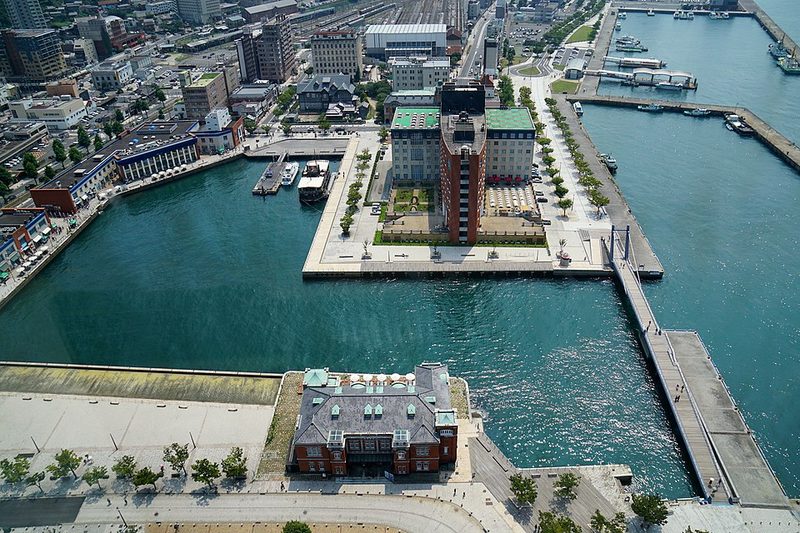
The Meiji period (mid-19th century onwards) transformed everything. Kitakyūshū became the site of Japan's first modern steel mill, marking where preindustrial Japan became industrial Japan. This rupture remains visible in the urban fabric. Mojiko Retro preserves buildings from the Meiji and Taisho periods, including the 1912 Former Moji Customs House, the 1921 Mitsui Club (where Einstein stayed), and the Former Kyushu Railway Headquarters, now the Kyushu Railway History Museum.
Key Districts and What to See
Kokura Castle, rebuilt in modern form, houses a museum with displays on local history, an interactive zone, and seasonal appeal during cherry blossom and autumn foliage periods. The surrounding area includes Katsuyama Park, the Matsumoto Seicho Memorial Museum, and Riverwalk Kitakyushu shopping complex, which is attached to the Kitakyushu Performing Arts Center and a branch of the municipal art museum.
The Mojiko Retro district preserves a Taisho-era aesthetic along the waterfront. The restored 1889 Mojiko Station anchors the area. Visitors can walk between preserved mercantile buildings and cross to Shimonoseki via a pedestrian tunnel under the strait. The district is suited to evening strolls when historic structures are illuminated.
Mount Sarakura offers views accessible by cable car. The Wakato Bridge connects Wakamatsu and Tobata districts. The Wakamatsu area is noted for environmental industries. Kitakyūshū has developed the Center for Contemporary Art and hosts the Rising Sun International Film Festival, though details on programming are limited.
Festivals and Local Culture
The Tobata Gion Yamagasa Festival, held in Tobata ward, is designated UNESCO Intangible Cultural Heritage. The Kokura Gion Taiko Festival, over 400 years old, is a major summer event held in Kokura each June or July. Traditional taiko drumming features prominently.
Kitakyūshū is known locally as a "Sushi City" due to coastal access to fresh seafood. Local dishes include yaki curry (a baked variation), wagyu beef, champon noodles, and gyoza. The city's food culture reflects both maritime heritage and industrial-era influences.
Transport and Access
Kitakyūshū Airport serves the region, with coordination through nearby Tsuiki Air Field. JR Kyushu rail lines connect the city to the broader network. Ferry services operate through Moji Port. The Wakato Bridge links districts internally. Visitors should confirm current transport schedules locally, as operators and routes change.
Is Kitakyūshū Worth Visiting?
Kitakyūshū rewards visitors interested in how Japanese cities actually function—how a medieval trading port became an industrial powerhouse, how modernisation looks on the ground, and how working infrastructure can coexist with preserved heritage. It offers layered experience rather than curated tourist narrative. The Mojiko Retro district, Kokura Castle area, and ranked night views provide accessible entry points. This is not a city for those seeking pristine traditional Japan, but for those curious about Japan's industrial transformation and regional port culture.
Where to Stay in Kitakyūshū
Kokura serves as the city's central district with rail connections and proximity to Kokura Castle and Riverwalk shopping. The area provides practical access to transport. Mojiko offers waterfront character and proximity to historic buildings, suited to visitors prioritising the retro district. Specific accommodation options should be researched based on current availability and transport requirements.
How Many Days Do You Need?
One to two days allows time for the Mojiko Retro district, Kokura Castle area, and an evening viewing point such as Mount Sarakura. Visitors combining Kitakyūshū with nearby Shimonoseki (accessible via tunnel or bridge) or using the city as a gateway to wider Kyushu can adjust accordingly. The city functions well as a stopover rather than a multi-day destination for most itineraries.
Safety and Practical Considerations
Japan maintains normal travel precautions according to UK and US official travel advisories. Kitakyūshū is not flagged for regional restrictions. Standard urban precautions apply. Visitors should check current official travel guidance before departure, as advisories update periodically.