

What Lancaster is known for
Lancaster sits on a gentle rise above the River Lune, three miles inland from Morecambe Bay in Lancashire's north west. The city of 47,000 combines a working regional centre with substantial English history: a medieval castle that still functions as a Crown Court, Georgian streets built on 18th-century maritime wealth, and the 1612 witch trials that remain England's most documented case of mass witchcraft prosecution. Lancaster University, established in 1964, adds a student presence to what remains Lancashire's county town, though the county council moved to Preston in 1889.
Arrival and Setting
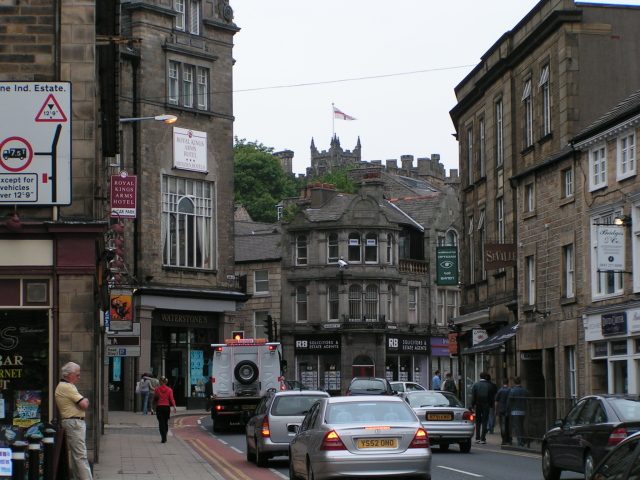
The city occupies a hill that rises from the river valley. On arrival, visitors encounter cobbled streets lined with buildings that span from medieval times through the Georgian era. The architecture is notably consistent and human-scaled; there's little sense of sprawl or modern uniformity. The River Lune remains present in geography if not always in daily view, lying close enough to shape how the place developed but far enough that most activity happens on the higher ground.
Lancaster's setting is neither mountainous nor flat. The Lancashire coastal plain stretches west toward Morecambe Bay, while higher ground rises to the east. This moderate topography means the city feels rooted in a specific landscape rather than divorced from it.
History and Identity
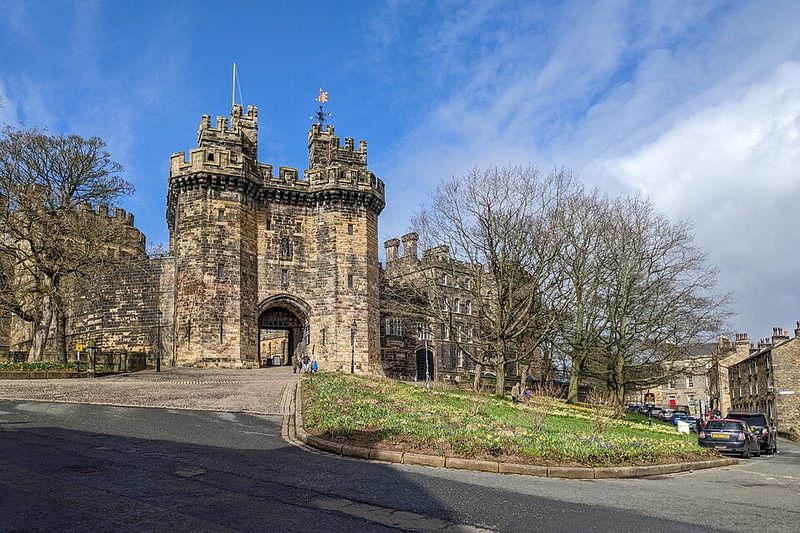
The name "Lancastre" records a Roman garrison established on the hill by the river, a detail preserved in the Domesday Book of 1086. Medieval Lancaster mattered as a defensive and administrative centre, and the castle that still dominates the skyline is a Grade I listed building. In August 1612, ten people convicted of witchcraft were executed on the moors above the town following trials at Lancaster Castle—proceedings that became England's most infamous witch trials, known as the Pendle Witch Trials.
The 18th century brought prosperity through the port. Lancaster functioned as a working harbour where merchant ships loaded and unloaded cargo, driving economic growth and urban expansion. In 1779, the Lancaster Port Commission decided to build a dock at Glasson, downstream near the mouth of the Lune estuary, because of difficulties navigating up the river to Lancaster itself. The dock opened by 1787, and shipping operations gradually moved there, leaving Lancaster to reinvent itself around other roles.
The name Lancaster also carries royal resonance through the House of Lancaster, the medieval branch of the English royal family from which the Tudor line descended. Today the Duchy of Lancaster—a historic institution—still owns properties, and the current monarch holds the title Duke of Lancaster as part of the Crown.
The Castle and Witch Trial Heritage
Lancaster Castle remains the city's dominant landmark and primary draw for visitors interested in English legal and criminal history. The building still functions as a Crown Court, though tours provide access to historic areas. The 1612 trials centred on accusations from the Pendle area east of Lancaster. Judge Bromley presided over the August assize that convicted ten people, who were then executed on the moors above the town. The case generated extensive documentation and remains a significant episode in English witch-hunting history.
The Ashton Memorial
The Ashton Memorial stands in Williamson Park as a prominent folly visible across the city and surrounding landscape. Built between 1907 and 1909, the Grade I listed structure was commissioned by Lord Ashton, a Lancaster industrialist and Liberal MP, in memory of his second wife, Jessy. The project cost £87,000—equivalent to roughly £8 million today. The memorial offers views across Lancaster and the surrounding region, and the park itself provides green space within the city.
Daily Life and the University
Lancaster functions as the main economic and commercial centre for the City of Lancaster district, hosting local government functions, retail, services and small businesses. The city has developed an artisan food scene and hosts independent shops, though corporate chains also operate.
Lancaster University, established in 1964 as part of the new university expansion of that era, sits outside the city centre. The university brought students, research activity and intellectual life that continues to shape the city's character. A campus of the University of Cumbria also operates in Lancaster. The student presence means the city has a younger demographic alongside established residents, which shapes the food and retail offer.
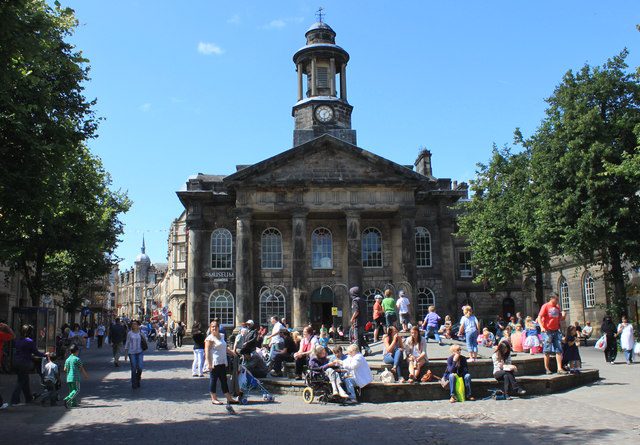
Lancaster City Museums operates sites including the Cottage Museum, which provides a glimpse of everyday life three centuries ago. The museums run exhibitions and events throughout the year. The city also hosts Litfest, Lancaster's annual literature festival, which has run for more than 40 years.
Georgian Architecture and Working Continuity
Walking through the city centre reveals buildings with working continuity: a coffee shop has operated since 1837, and a restaurant occupies a 300-year-old former wine merchant's cellar. Lancaster's oldest pub also remains in the historic centre. These aren't reconstructed heritage attractions but functioning establishments, suggesting how the city works for people who live and work there, not just visit.
Practicalities
Lancaster's location in north west England means rail and road access from major cities. The station provides connections along the west coast main line. Morecambe Bay lies three miles away, making day trips to the coast feasible. The city's position also allows access to the Lake District; the 555 bus service runs from Lancaster through the national park.
Visitors should verify current transport details, opening times and tour availability before arrival, as these change. The castle's function as a working court affects public access schedules.
What Kind of Visit
Lancaster's status as county town, combined with its university presence and historic character, makes it a functional regional centre rather than a declining heritage site. For visitors, the combination of medieval castle, witch trial history, Georgian architecture and working city life creates a layered experience. Those interested in English regional history, legal history or urban heritage will find substantive material. The city's role in the wider district and its educational institutions mean it continues to develop and change rather than exist frozen in the past.