Managua at a Glance
Managua is the capital and largest city of Nicaragua, sitting on the southern shore of Lake Managua (Lago Xolotlán). It functions as the country's administrative, commercial and cultural centre. Given the current Level 3 US travel advisory, it is most likely to be visited by aid workers, researchers, journalists, diplomats and people with family or professional ties rather than leisure tourists. Those who do visit find a city shaped by catastrophe and resilience, with a distinctive urban form unlike any other Central American capital.
In This Guide
Read the guide as a story
The Amphitheatre That Is No Longer There
Setting and First Impressions
The first thing many arrivals register is the heat and the openness. Managua lacks the dense walkable colonial core that characterises Granada or León — this is not an oversight but a direct consequence of the 1972 earthquake, which killed thousands and left the historic centre largely in ruins. Rather than rebuild in place, the city grew outward, producing a decentralised layout of major roads linking distinct neighbourhoods. Barrio Riguero sits close to the urban core, and smaller named communities such as La Argentina lie just to the northwest, each with its own texture of daily life that blends into the wider city without a sharp boundary.
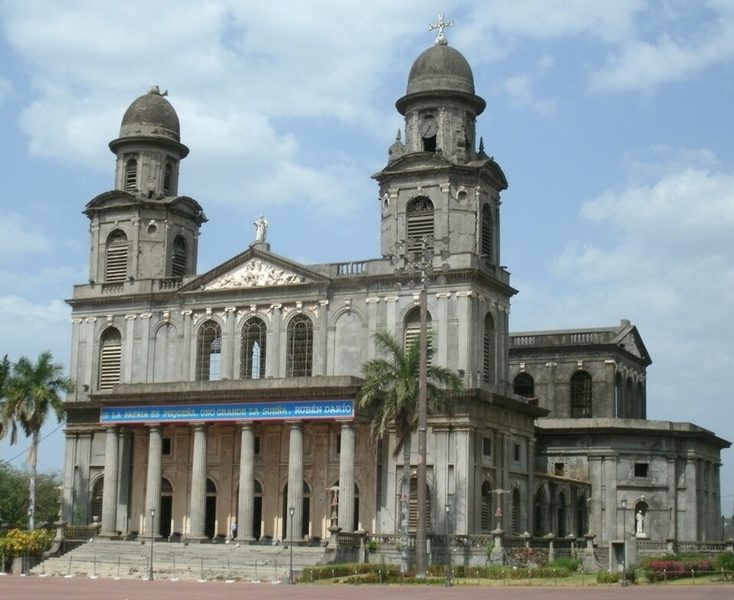
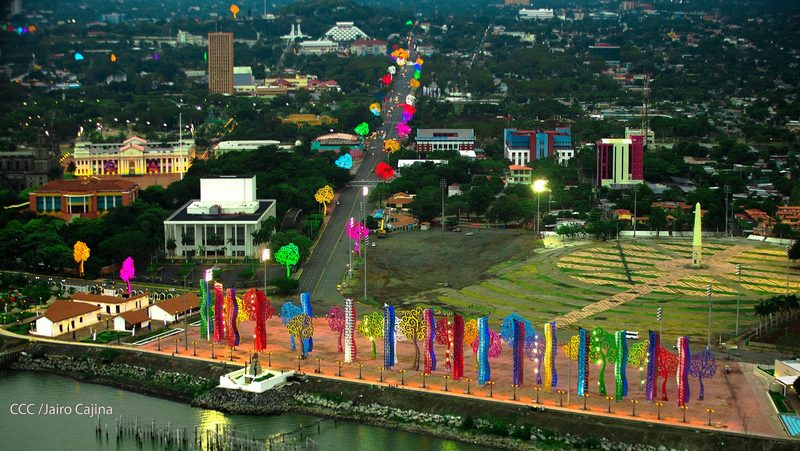
The lakeshore gives the city an expansive western horizon. The view from the old historic centre toward the water — with the ruined shell of the Old Cathedral standing against the sky — carries the particular feeling of a place that has had to reinvent itself more than once.
The Old Cathedral, Avenida Bolívar and the Historic Centre
The Catedral de Managua — the old cathedral damaged in the 1972 earthquake — has been left partly as a monument to that disaster and remains one of the most recognisable landmarks in the city. It is not a working church but a deliberately preserved ruin, and the effect on the surrounding open space is striking. Avenida Bolívar runs close by, passing a sequence of representative public buildings including the National Palace of Culture and the National Assembly. The area reads as the institutional heart of the country rather than a tourist quarter, and it is best understood in that light.
Mercado Roberto Huembes is one of the city's large and active public markets, functioning simultaneously as a practical food and goods market for residents and as a place where crafts and produce from across Nicaragua are concentrated. For a visitor wanting to understand Managua's role as a national gathering point, it is among the most useful introductions the city offers.
Music, Culture and the Scene That Shaped Managua
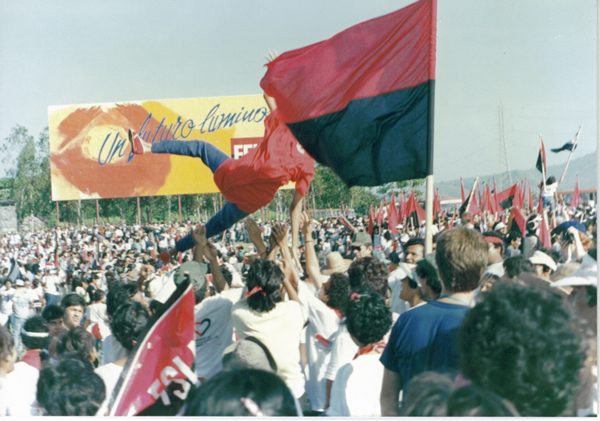
Nicaragua has produced a socially engaged rock and popular music tradition that found much of its energy in Managua. A Vice report on the country's socially conscious rock scene and commentary from the Momotombo Soundsystem project both document how Nicaraguan musicians historically used performance to engage with political and social conditions — a tradition rooted in the revolutionary period but extending well beyond it. The Teatro Nacional Rubén Darío, described by Rough Guides as Managua's main cultural venue, has historically hosted performances across music, theatre and dance, and sits near the old Plaza de la Revolución on the lakeshore. The Justo Rufino Garay Theater is documented by ViaNica and Nicaragua.com as another performance space in the city.
A now-vanished venue adds a layer of cultural memory to the lakeshore area: La Concha Acústica was an outdoor amphitheatre located near the shore of Lake Xolotlán, between Plaza Juan Pablo II and the National Theater, commissioned under Mayor Herty Lewites. Monument Lab documents it as a ghost monument — a structure that held meaning for the city but no longer stands — and its absence is part of how Managua's cultural landscape reads today. Current programming at any venue should be verified locally before a visit, as conditions change.
Getting There and Around
Managua is served by Augusto C. Sandino International Airport, the country's main international gateway, located within the city. Intercity bus connections link the capital to other departments across Nicaragua through several terminals. According to Info Nicaragua, Terminal Rigoberto Cabezas handles services toward the Pacific; Mercado Mayoreo is one of the main hubs for northern and Atlantic destinations. Wikipedia's Transport in Nicaragua article notes that bus stops in central Managua are generally marked, while stops in outer areas are often unmarked. Within the city, taxis and ride-hailing options are widely used; the urban spread of Managua makes walking between districts impractical in most cases. Public bus routes identified in source material include services numbered in the 100s operating to and from key interchanges such as Rotonda Universitaria and Plaza España.
Moovit (moovitapp.com) and BusMaps (busmaps.com) are documented as route-planning tools for Managua. Frommers identifies Trans Nica (near Rotonda Metrocentro) and Central Line as operators serving Costa Rica and El Salvador. Confirm current schedules directly with operators before travelling; published timetables change and should not be relied on without a current check.
Practical Notes
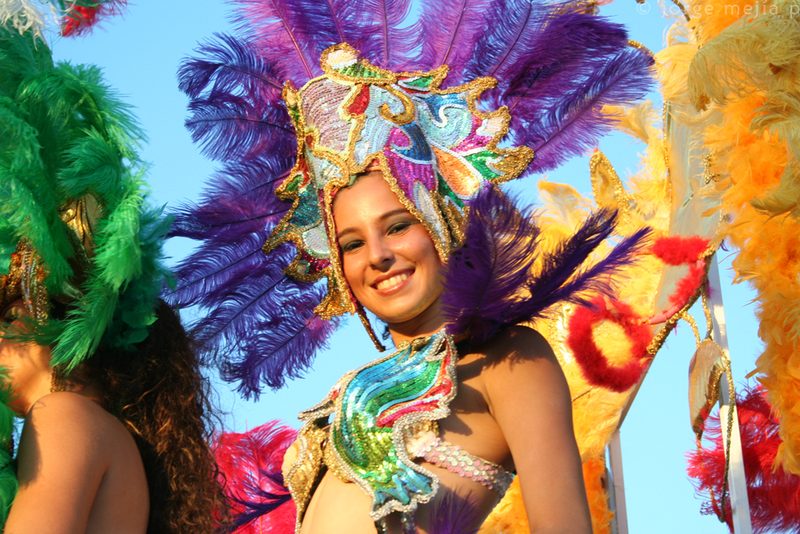
Healthcare facilities in Managua are limited relative to the needs of a city of this size, and the US advisory specifically flags this as a concern. Carry comprehensive travel insurance and any necessary medications. The absence of a British consular presence in-country means UK nationals face practical delays in emergencies. Given the political context, individuals working in journalism, religious organisations, academia or civil society should read the specific risks identified in the official advisories before travelling. The city's patron saint festival is observed twice annually — on 1 August and in early October — according to the national tourism map at visitnicaragua.us; La Gritería, a national celebration in honour of the Immaculate Conception, takes place on the night of 7 December and is widely observed in Managua.