

What Memphis is known for
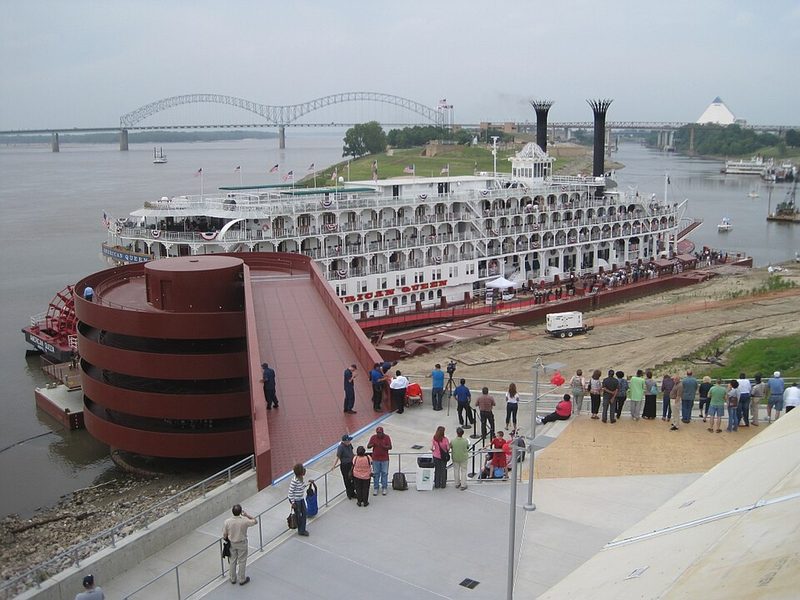
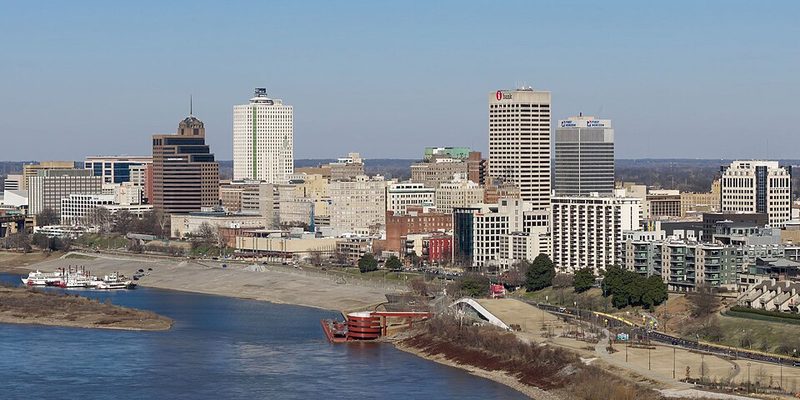
Memphis sits where the Mississippi River bends sharply towards Arkansas, a city shaped by water and the commerce it enabled. Founded in 1819 by Andrew Jackson, John Overton, and James Winchester on the Fourth Chickasaw Bluff, the settlement was named after ancient Memphis on the Nile—a parallel that spoke to the founders' ambitions for the place. Today Memphis remains one of the largest cities on the Mississippi River itself, with over 633,000 residents anchoring a metropolitan area that extends across Tennessee, Arkansas, and Mississippi.
The city is known for three things above all: its position as a major Mississippi River port, its foundational role in American music history—particularly the Blues—and its connection to the Civil Rights Movement. Visitors come for Beale Street, Graceland, and the National Civil Rights Museum at the Lorraine Motel, the site where Dr Martin Luther King Jr was assassinated in 1968.
Arriving in Memphis
The city rises from the Fourth Chickasaw Bluff, a natural elevation that kept Memphis dry during the river's worst floods. This geographic advantage was crucial to its survival in the nineteenth century. The river dominates the view on arrival—high enough bluffs to feel significant, old enough to carry centuries of history. The landscape around Memphis is characteristic of the Mid-South: relatively flat, with the river as the dominant natural feature. The climate is humid subtropical, with hot summers and mild winters typical of Tennessee's western reaches.
Information on specific transportation infrastructure—airports, rail connections, or local transit—is limited in available sources. Visitors should verify current transport options locally. The city's position on the Mississippi River and at major crossroads in Tennessee means it has regional highway connections.
Music and Beale Street
Beale Street runs from the Mississippi River to East Street, a distance of approximately 1.8 miles. It is a significant location in the city's history and in the history of Blues music. Today, the three-block section in Downtown Memphis operates as "the Home of the Blues" with nightclubs, restaurants, and shops. The street is recognised as Tennessee's top tourism attraction and the birthplace of Rock n Roll.
The Memphis Music Hall of Fame and Memphis Rock 'n' Soul Museum, both located on Beale Street, showcase artefacts and listening stations related to music legends including Elvis Presley, Isaac Hayes, and Justin Timberlake. Other music sites in Memphis include Sun Studio and the Stax Museum of American Soul Music. Streets in the historic core reflect Chickasaw names encountered by Spanish explorers, a linguistic reminder of the Native presence that preceded European settlement.
Civil Rights and Historical Context
The National Civil Rights Museum is located at the Lorraine Motel, 450 Mulberry Street, on the south edge of downtown Memphis in what is now the South Main Arts District. The museum tells the 400-year history spanning slavery in the United States to contemporary civil rights initiatives across the world. The Lorraine Motel is the site where Dr Martin Luther King Jr was assassinated in April 1968, and the museum displays exhibits from the Civil Rights Movement dated 1619 to 2000, including the room in which Dr King resided.
The city's history with race and civil rights is complex and painful. Free people of colour worked in early Memphis as servants and dock labourers, and some enjoyed full citizenship rights until the government stripped voting rights from Black citizens in 1834. The Burkle Estate Slavehaven Museum records the experience of enslaved people in the city. During and after the Civil War, Memphis emerged as a centre for Black entrepreneurship and culture, though the story of African-American life remained shadowed by slavery and segregation for generations.
The Civil War and Reconstruction
The Civil War devastated Memphis. The First Battle of Memphis took place in June 1862—a naval engagement fought on the river immediately north of the city, witnessed by civilians, that marked the effective end of Confederate naval power on the Mississippi. The city endured occupation and eventually recovered during the Reconstruction era.
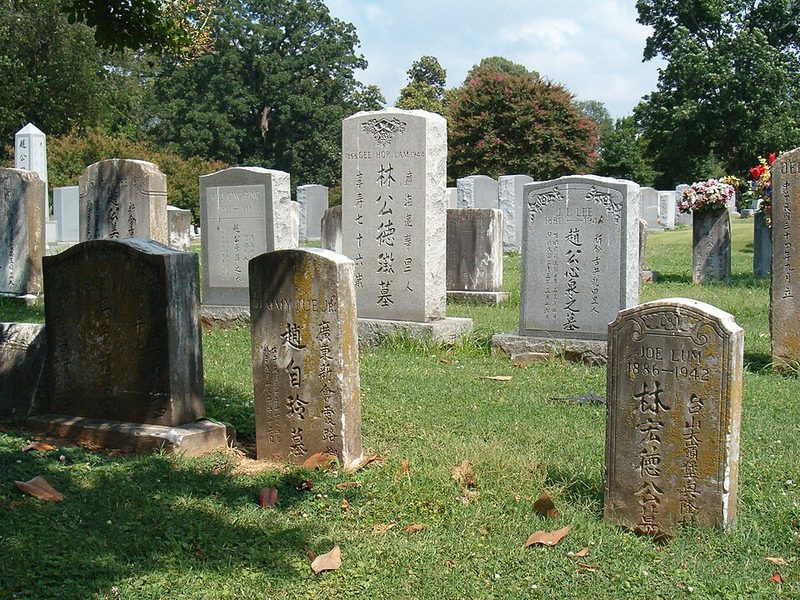
Memphis National Cemetery, located in the north-east of the city, encompasses over 44 acres and holds thousands of interments, serving as a memorial to military service across multiple eras. For those interested in Civil War history, nearby battlefield sites offer additional context: the Battle of Brice's Cross Roads, memorialised at Brices Cross Roads National Battlefield Site in Mississippi, involved a Confederate force under Nathan Bedford Forrest, while the Battle of Parker's Cross Roads was fought in Henderson County, Tennessee, on the last day of 1862.
Economic History
Memphis's economy remains rooted in its position on the Mississippi River and its proximity to the Cotton Belt. The city has historically been one of the largest shipping hubs in the Mid-South, a role that dates back two centuries. Cotton export was the lifeblood of the early and antebellum economy; the river port served as a vital commercial artery for the region and, during the Civil War, for the Confederacy itself.
Growth came slowly at first. National economic depression, persistent sandbars in the river, loss of the county seat to Raleigh, yellow fever epidemics, and competition from other river ports all stunted early development. By the early 1840s, fortunes shifted when Northern Mississippi opened to settlement, effectively doubling the hinterland available for cotton export. Memphis became a major post and stagecoach terminus, and by 1842 the city had expanded to six miles of development along the riverfront.
The metropolitan area today is the 45th-most populous in the United States, home to 1.34 million residents across parts of Tennessee, Arkansas, and Mississippi. This broader economic zone supports the city's role as a regional hub.
Before Settlement
Before European settlement, the region was inhabited by the Chickasaw Nation. The Spanish explorer Hernando de Soto's expedition passed through in the 1540s, finding the land already depopulated. Spain later built Fort San Fernando on the bluffs in 1795, but formal settlement came only after Andrew Jackson and his partners acquired the land and founded the city in 1819. It was incorporated in 1826.
Practical Notes
Memphis is a city with genuine depth: a river-powered economy spanning two centuries, a complicated history bound up with slavery, war, and Reconstruction, and a cultural identity tied to music and African-American traditions. The sources available here cover its bones and broad character, but do not capture every current detail of daily life or services. Local knowledge is invaluable. Travellers are encouraged to engage with current local guides and resources.