

What Milwaukee is known for
Milwaukee commands the western shore of Lake Michigan with the confidence of a city built on water and industry. Wisconsin's largest city has reinvented itself repeatedly—from fur-trading outpost to grain hub to manufacturing powerhouse—and today it carries that layered identity with quiet dignity. The rivers that drew early settlers still define the landscape, the brewing heritage still echoes through neighbourhoods, and the work ethic that built the place remains embedded in how things operate here.
First Impressions and Setting
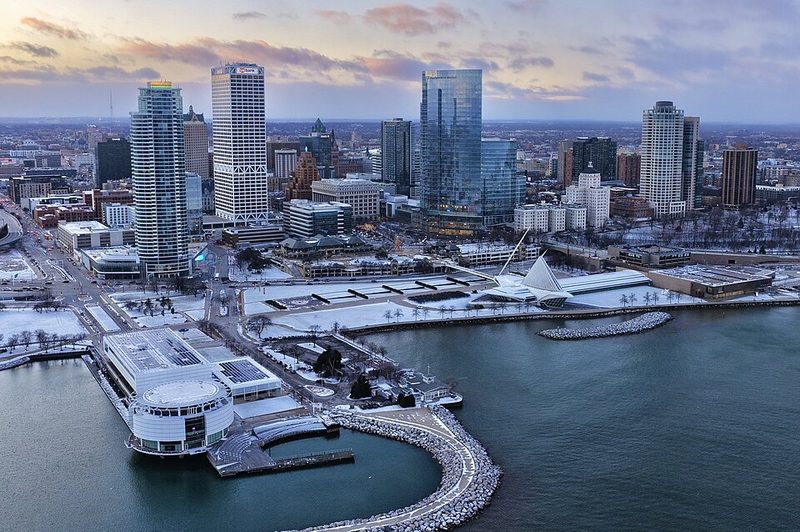
Milwaukee unfolds across three rivers—the Milwaukee, Menomonee, and Kinnickinnic—where they converge before meeting Lake Michigan. The water was never incidental; it was the reason the settlement existed at all. Arriving from the south or west, visitors encounter a landscape that rises gently from the lake, with the older neighbourhoods following the river valleys inland. The cityscape mixes substantial brick industrial buildings with residential blocks of modest homes, and the whole forms a recognisable Great Lakes city: densely built near the core, green and more spread out as you move away from downtown.
The elevation sits at about 203 metres above sea level, high enough that the lake breeze is felt rather than overwhelming. Winter comes firmly to Milwaukee, and the seasons matter—locals navigate accordingly, and many businesses and cultural schedules reflect the winter/summer split that shapes life across the upper Midwest.
History and Identity
The fur trade brought the first European settlers in the 1830s. Solomon Juneau worked the fur trade with local Indian communities, and others like Morgan Martin and Byron Kilbourn arrived to build commerce and push for railway development. The settlement grew slowly at first, but momentum shifted markedly in the 1850s and 1860s. By 1862, Milwaukee had become a leading grain export centre in the nation—the rivers and lake access made it an obvious hub for moving agricultural produce to national markets.
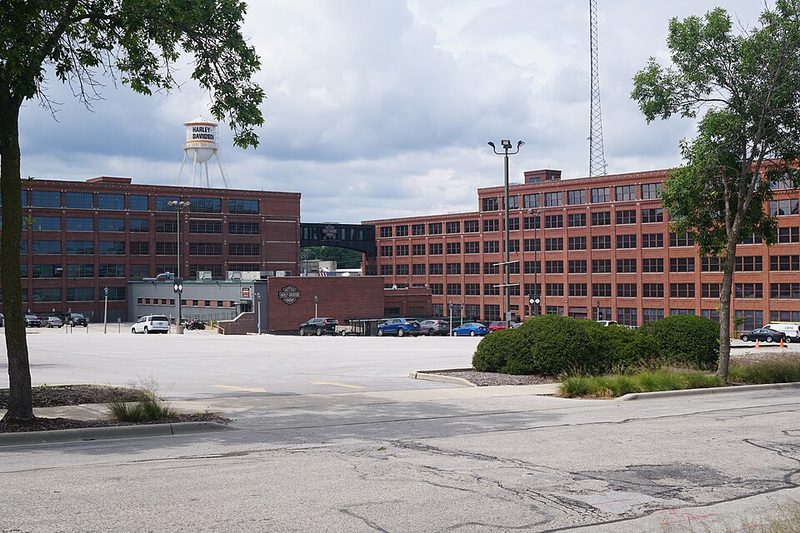
The city's industrial identity was forged in this period. Grain elevators rose along the waterfront, and the mechanical and manufacturing businesses that would sustain Milwaukee for over a century took root. Harley-Davidson Motor Company—one of Milwaukee's most enduring exports to the world—was co-founded here by William S. Harley, whose name still carries weight in motorcycle culture globally.
The Jewish community formed an important thread in Milwaukee's social fabric. Early families arrived in the 1830s and 1840s, with Gabriel Shoyer documented as an early settler in 1836. His brothers followed, opening a clothing and tailoring business. The community grew markedly after 1882, when Russian Jewish immigrants fled pogroms, and by the 1890s Milwaukee's Jewish population numbered around 7,000—representing a significant cultural presence. That diversity of settlement patterns, religious communities, and immigrant neighbourhoods shaped how Milwaukee developed as a place where different populations established distinct identities while sharing a working city.
The Brewing Heritage
The brewing industry, historically central to Milwaukee's identity, remains part of its cultural memory and its present-day visitor experience. German immigration in the 19th century brought brewing expertise that made the city famous for beer. Today, Lakefront Brewery operates popular tours that combine brewery history with a more informal, comedic presentation style. Best Place at the Historic Pabst Brewery offers guided tours through the former Pabst Brewery complex, including three beers and the history of the brewery and surrounding neighbourhood. Adults pay $14, with discounts for seniors aged 60 and over, and military personnel.
The brewing legacy extends beyond tours. Many Milwaukee restaurants and pubs serve fish fries on Friday nights, a tradition brought to Wisconsin by German and Polish immigrants that persists in local dining culture.
Museums and Culture
The Milwaukee Art Museum, located on a 24-acre lakeside campus, is Wisconsin's largest art institution. The museum holds more than 30,000 works of art and is recognised for its Santiago Calatrava-designed addition, which includes a moving structure known as the Burke Brise Soleil, or "wings". The collection includes works by Rembrandt, Dürer, Picasso and Warhol. The building itself has become an architectural signature on the lakefront.
The Milwaukee Public Museum, established in 1882, maintains a tradition of excellence in exhibits, education, collections and research. The Haggerty Museum of Art at Marquette University showcases works from Renaissance paintings to contemporary art. Villa Terrace Decorative Arts Museum offers exhibitions and performances in the Lloyd Smith family's former lakefront Renaissance villa and garden.
The Cathedral of St John the Evangelist, built in 1847 in German Renaissance Revival style, stands as a documented landmark and is listed on the National Register of Historic Places. It reflects both the architectural ambitions of the period and the religious communities that established themselves here.
Festivals and Events
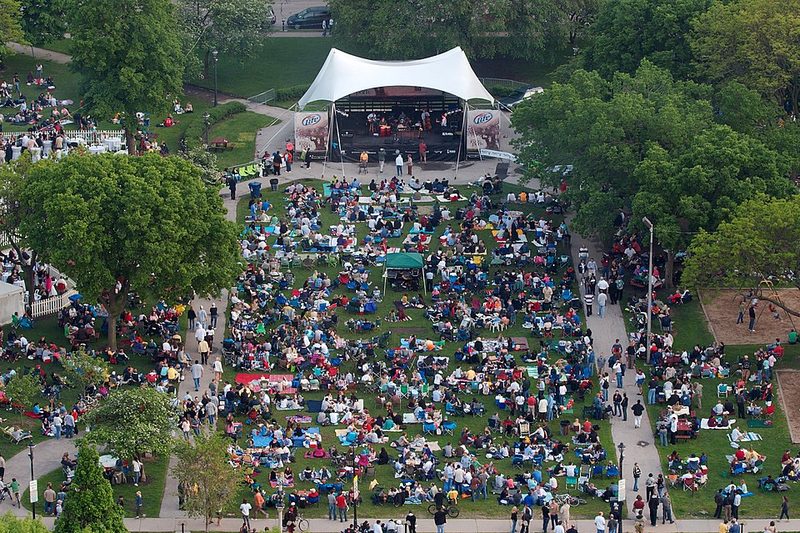
Milwaukee earned its reputation as "The City of Festivals" by hosting multiple ethnic festivals throughout the year, as well as Summerfest, a three-weekend music festival featuring more than 600 artists on 12 stages. Summerfest runs over three weekends: 18–20 June, 25–27 June, and 2–4 July. Polish Fest, held 12–14 June, highlights Polish and Polish-American entertainment on five stages with traditional food, music and cultural experiences. The Wisconsin State Fair, a Wisconsin tradition, features music, distinctive foods, pig races and agricultural exhibits.
Daily Life and Economy
Milwaukee's economy today rests on several pillars. Healthcare is the largest employment sector, with Advocate Health Care operating as the region's dominant employer. The manufacturing heritage persists—mechanical manufacturing, automation equipment, and industrial control systems remain significant. Rockwell Automation, which manufactures programmable logic controllers and factory automation systems, operates from Milwaukee. Water technology, food and beverage production, medical technology, and financial services round out the regional economy. In recent years, the region has begun appearing on lists of emerging technology hubs, though Milwaukee remains primarily identified with its mechanical and industrial strengths rather than as a tech centre.
The University of Wisconsin–Milwaukee serves as the region's largest university, with nearly 23,000 students including around 18,500 undergraduates. It functions as an urban research institution and shapes the intellectual and cultural life of the city, particularly around the campus areas and in partnerships with local industry and healthcare.
Neighbourhoods and Markets
The Historic Third Ward, located near the waterfront, houses the Milwaukee Public Market, where multiple vendors offer products, food offerings and drink pairings under one roof. The market provides a concentrated experience of Milwaukee's culinary scene and local culture. The area serves as a commercial and cultural district in the older part of the city.
Getting There and Around
Milwaukee sits on Interstate 94, which connects it north to Green Bay and south towards Chicago. The city's position on Lake Michigan makes it accessible by water as well as road. Public transit options should be verified locally, as the sources do not specify current bus routes, light rail, streetcar, or other local transport systems. For visitors arriving by air, commercial aviation serves the region, though specific airport details should be confirmed with current travel resources.
Practical Notes
Milwaukee operates on Central Time. The city sits in a region where winter weather is significant—visitors arriving in colder months should plan accordingly. Information on accommodations, current dining, shopping, and seasonal attractions is best verified through official visitor resources, as details change regularly. Locals welcome questions about neighbourhoods worth visiting and current events, and community knowledge often reveals aspects of the city that don't appear in standard guides.
Is Milwaukee Worth Visiting?
Milwaukee offers a distinctive Great Lakes city experience with substantive cultural institutions, a brewing heritage that remains accessible through tours and local dining traditions, and a festival calendar that runs throughout the warmer months. The Milwaukee Art Museum alone justifies a visit for those interested in art and architecture, and the city's industrial history provides context for understanding the development of the American Midwest. Visitors looking for an authentic working city rather than a polished tourist destination will find Milwaukee fits that description.
Where to Stay in Milwaukee
The Historic Third Ward offers proximity to the Milwaukee Public Market and waterfront areas. Downtown provides access to the museum district and lakefront. Specific accommodation recommendations require current verification through official visitor resources, as hotel offerings and neighbourhood character can change. Visitors should consider their priorities—proximity to festivals and lakefront activities, access to brewery tours, or convenience for exploring the older neighbourhoods along the river valleys.
How Many Days Do You Need in Milwaukee?
Two to three days allows time for the major museums, a brewery tour, exploring the Historic Third Ward and Public Market, and attending a festival if timing aligns. A weekend visit can cover the essential institutions and provide a sense of the city's character. Visitors with specific interests—particularly in brewing history, industrial heritage, or festival attendance—may choose to extend their stay. A single day limits exploration to one or two major attractions.
Is Milwaukee Safe for Visitors?
The UK Foreign, Commonwealth & Development Office advises normal precautions for the United States. The US State Department issues no specific travel advisory for domestic travel to Milwaukee or Wisconsin. As with any large city, visitors should exercise normal urban awareness regarding their surroundings and belongings. Consult current official travel advisories before departure for the most recent guidance.
Summerfest
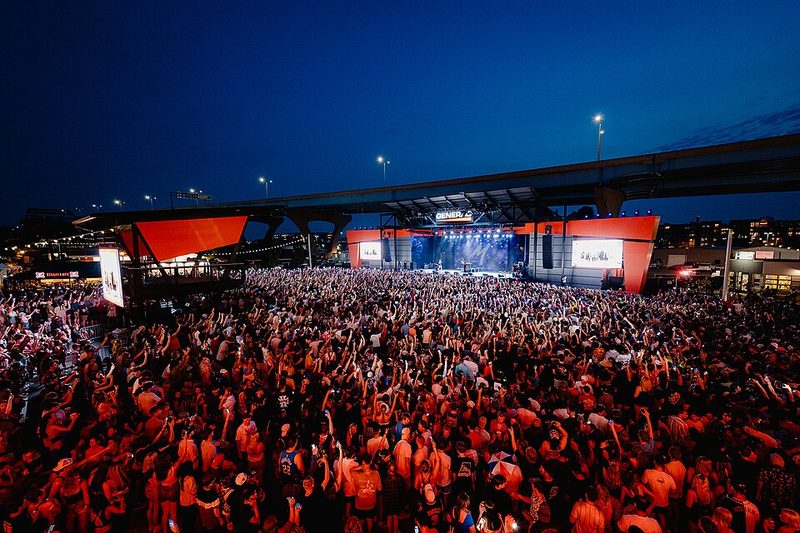
Summerfest ranks as the largest music festival in the United States by attendance and stage count. The event occupies Henry Maier Festival Park along Milwaukee's lakefront, operating across three weekends in late June and early July on 11 stages spread over 75 acres.
The 2026 festival runs June 18-20, June 25-27, and July 2-4, with programming spanning national headliners and emerging acts across multiple genres. A single admission ticket provides access to all stages, allowing visitors to navigate the grounds freely. In 2022, attendance reached 445,611 across the three-weekend format.
The festival's lakefront location provides views across Lake Michigan, with the Milwaukee River flowing past the grounds' northern edge. Food and beverage options feature local Milwaukee vendors and Wisconsin breweries prominently. Visitors should prepare for full-day outdoor attendance—weather conditions in late June typically run warm, though the lake can create variable temperatures. Tickets and daily schedules should be verified through official Summerfest channels, as programming is announced in waves and pricing varies.
Read the full Summerfest guide
Sources: Summerfest Official Site • Summerfest - Wikipedia • Visit Milwaukee - Summerfest
Milwaukee Art Museum
The Milwaukee Art Museum occupies a lakefront campus distinguished by Santiago Calatrava's 2001 Quadracci Pavilion and its moveable Burke Brise Soleil—a 217-foot wingspan structure that opens at 10 a.m., flaps at noon, and closes with the museum each day. The wings comprise 72 steel fins weighing 90 tons collectively, completing their opening cycle in 3.5 minutes.
The museum holds over 30,000 works from antiquity to contemporary periods, including pieces by Rembrandt, Dürer, Picasso, and Warhol. Galleries occupy three connected buildings spanning different construction eras, with the Calatrava pavilion's Windhover Hall providing a 90-foot-high glass-ceilinged space.
The museum operates daily from 10 a.m. to 5 p.m., with extended Friday hours until 8 p.m. The lakefront location places it within walking distance of downtown Milwaukee and the Historic Third Ward. Visitors should verify current admission pricing and exhibition schedules through official museum channels before arriving.
Read the full Milwaukee Art Museum guide
Sources: Milwaukee Art Museum Official Site • Milwaukee Art Museum - Wikipedia • Visit Milwaukee - Milwaukee Art Museum
Polish Fest
Polish Fest operates as the largest Polish festival in the United States, held annually across three days in mid-June at Henry Maier Festival Park on Milwaukee's lakefront. The 2026 dates are June 12, 13, and 14. Established in 1982, the event reflects Milwaukee's significant Polish heritage, which dates to the 1830s and grew substantially after 1882 when immigration from Russian-controlled Poland brought thousands of Polish families to the city.
The festival features five stages presenting Polish folk performances, polka bands, and contemporary Polish music. Traditional food dominates the grounds—pierogi, kielbasa, Polish pastries, and regional specialities served by multiple vendors. The Cultural Village hosts cooking demonstrations and folk art exhibitions, while the Sukiennice Marketplace includes over forty vendors selling Polish imports and offering genealogy services. A Catholic Mass is held Sunday morning at 10 a.m., reflecting religious traditions central to Polish cultural identity.
Polish Fest draws visitors from Wisconsin and neighbouring Illinois, particularly Chicago's Polish community. Tickets should be confirmed through official festival channels. The event operates outdoors with some covered areas, and visitors should prepare for full-day lakefront attendance.
Read the full Polish Fest guide
Sources: Polish Fest Official Site • Polish Fest - Wikipedia • Polish Fest - Encyclopedia of Milwaukee • Visit Milwaukee - Polish Fest
Friday Fish Fry Tradition
The Friday fish fry operates as a cultural institution in Milwaukee, embedded in weekly routines across the city. The tradition dates back over a century, emerging from Catholic dietary restrictions requiring abstinence from warm-blooded meat on Fridays. Wisconsin's large German and Polish Catholic population sustained the practice, which persisted as a cultural tradition even after the Church relaxed Friday meat restrictions in the 1960s.
A standard fish fry includes beer-battered or breaded fish (typically cod or perch), French fries or German-style potato pancakes, coleslaw, rye bread, and tartar sauce. The meal is served at VFW halls, Catholic parish halls, restaurants, taverns, and supper clubs. Community venues operate fish fries as fundraisers, typically from late afternoon until 7 or 7:30 p.m. Restaurants like Lakefront Brewery and Miller Time Pub serve fish fries as regular menu items, with some offering it beyond Fridays.
The fish fry functions as a weekly social event rather than purely a meal, drawing regular attendees who treat Friday evening fish fry as a scheduled gathering point. For visitors, attending a fish fry provides direct access to Milwaukee's working-class cultural traditions. Arriving before 6 p.m. helps avoid peak queues. The Lenten period sees intensified fish fry activity across Milwaukee, with churches and organizations launching weekly Lenten fish fries.
Sources: Visit Milwaukee - Friday Fish Fry • Travel Wisconsin - History of the Wisconsin Fish Fry • Fish Fry - Wikipedia • OnMilwaukee - Fish Fry Guide
Milwaukee Brewery Tours
Milwaukee's brewing heritage remains accessible through brewery tours that operate across multiple scales—from small craft operations to historic facilities documenting the city's beer baron era. The city's identity as a brewing center dates to the mid-19th century when German immigrants established breweries that grew into national operations. While the industry's scale has diminished from its peak, the infrastructure and cultural memory persist, making brewery tours a practical way to engage with Milwaukee's industrial and social history.
Sources: Lakefront Brewery Tours • Best Place at Historic Pabst Brewery • Visit Milwaukee - Brewery Tours • Milwaukee Brewery Trail