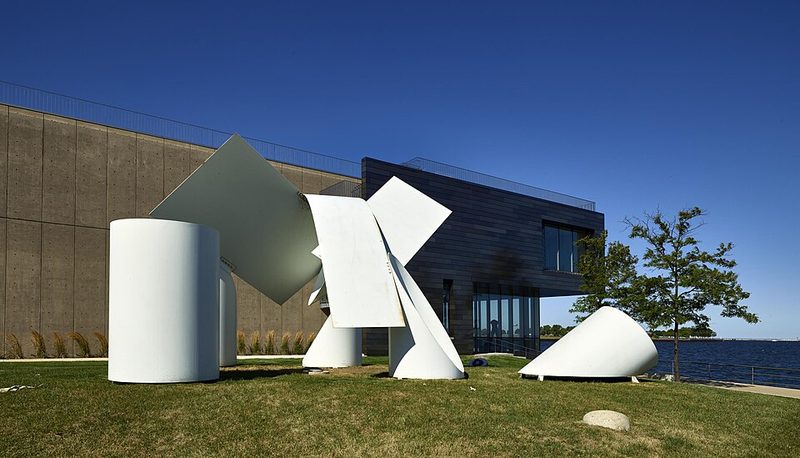
The Milwaukee Art Museum occupies a 24-acre lakefront campus in downtown Milwaukee, distinguished by its architectural profile as much as its collection. The museum complex comprises three connected buildings spanning different eras of construction, with the most recent and visually prominent addition—the Quadracci Pavilion designed by Santiago Calatrava—completed in 2001.
Architecture and the Burke Brise Soleil
The Quadracci Pavilion's defining feature is the Burke Brise Soleil, a moveable sunscreen structure with a 217-foot wingspan. The system consists of 72 steel fins ranging from 26 to 105 feet in length, weighing 90 tons collectively. The wings open at 10 a.m., fold and reopen at noon, and close when the museum closes—typically at 5 p.m., though Friday hours extend to 8 p.m. The opening and closing cycle takes 3.5 minutes to complete.
Calatrava's design creates a cathedral-like interior space called Windhover Hall, featuring a vaulted glass ceiling reaching 90 feet high. The Reiman Bridge connects the pavilion to the older museum buildings, functioning as both a pedestrian crossing and an architectural gesture that frames views toward the lake. The white concrete and steel structure has become Milwaukee's most recognisable architectural landmark, visible from the lakefront and from approaching vessels on Lake Michigan.
Collection and Exhibition Spaces
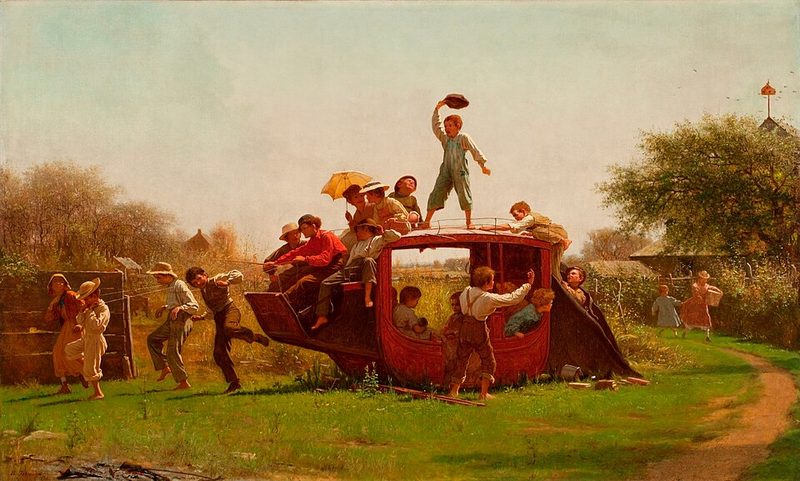
The museum holds over 30,000 works spanning antiquity to contemporary periods. The collection includes European masters—documented holdings include works by Rembrandt, Dürer, Picasso, and Warhol—alongside American art, photography, decorative arts, and folk art. Wisconsin artists feature prominently in regional collections.
Exhibition galleries occupy spaces across the three connected buildings: the original War Memorial Center designed by Eero Saarinen in 1957, the Kahler Building addition from 1975, and the Quadracci Pavilion. The collection's scope requires rotating displays, meaning not all holdings are visible simultaneously. Visitors planning to see specific works should verify current exhibition schedules through the museum's official channels.
Visiting Practicalities
The museum operates daily from 10 a.m. to 5 p.m., with extended Friday hours until 8 p.m. These times should be confirmed locally before visiting, as schedules can vary by season or for special events. Admission pricing is available through the museum's website, with various concessions typically offered for students, seniors, and Milwaukee County residents.
The lakefront location places the museum within walking distance of downtown Milwaukee and the Historic Third Ward neighbourhood. The Reiman Bridge provides pedestrian access from the museum grounds to the lakefront path. Parking facilities serve the museum campus, though availability can be limited during Summerfest and other lakefront events at nearby Henry Maier Festival Park.
Visitor Experience
The museum functions simultaneously as an art institution and an architectural destination. Many visitors arrive specifically to see Calatrava's building and the wing movements, treating the structure itself as the primary attraction. The wings' operation schedule—opening at 10 a.m. when the museum opens—makes morning arrival advantageous for witnessing the full opening sequence.
The lakefront setting influences the visit substantially. Windhover Hall's glass ceiling floods the interior with natural light, creating conditions that shift throughout the day as sun angles change. The eastern-facing orientation provides unobstructed views across Lake Michigan, particularly effective during morning hours when light penetrates the pavilion's glass surfaces.
Café Calatrava operates within the museum, offering food and beverage service with lake views. A museum shop sells publications, prints, and design objects related to the collection and building. Educational programmes and guided tours operate regularly, though specific offerings should be confirmed with visitor services.
Context and Significance
The Milwaukee Art Museum stands as Wisconsin's largest art institution, functioning as a regional cultural anchor for southeastern Wisconsin. The 2001 Calatrava addition represented a significant investment in cultural infrastructure and urban lakefront development, transforming the museum from a respected regional institution into an architectural landmark with international recognition.
The building's location directly on the lakefront—unusual for major art museums—makes it visible from the water and integrated into Milwaukee's public waterfront rather than isolated in a cultural district. This positioning reflects Milwaukee's relationship with Lake Michigan and the city's historical investment in public lakefront access. The museum campus connects to the broader Milwaukee RiverWalk system, embedding it within the city's pedestrian infrastructure rather than treating it as a standalone destination.
Sources: Milwaukee Art Museum Official Site • Milwaukee Art Museum - Wikipedia • Visit Milwaukee - Milwaukee Art Museum