
In This Guide
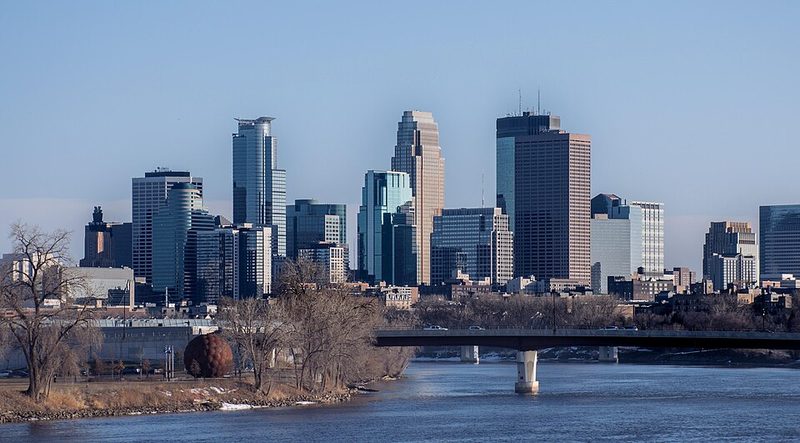
Minneapolis occupies both banks of the Upper Mississippi River in the geographic centre of Minnesota, sharing its eastern boundary with Saint Paul, the state capital. Together they form the Twin Cities metropolitan region of roughly 3.7 million people. The city itself has a population of around 430,000 and sits at the intersection of several major interstate highways, with a light rail network connecting the international airport directly to downtown.
What defines Minneapolis physically is water. Thirteen lakes lie within city limits, along with the river, wetlands, and creek corridors. The park system connects these through the Grand Rounds National Scenic Byway, a network of parkways that ties the lakes and river into a continuous public greenway. The lake culture is genuine: on summer afternoons the shores fill with walkers, cyclists, and swimmers, and the infrastructure for outdoor activity — including hire equipment for winter sports such as cross-country skiing and snowshoeing — is woven into the park system year-round.
The city's economy spans healthcare, technology, finance, and education, with the University of Minnesota Twin Cities — a large land-grant research university organised across nineteen colleges — anchoring a significant research and employment presence. The downtown core is compact enough to explore on foot, and a network of enclosed skyway corridors connects buildings above street level, which matters considerably in a city where January temperatures regularly drop well below freezing.
History and the River District
Minneapolis grew around Saint Anthony Falls, the only natural waterfall on the Mississippi River, which powered the sawmills and flour mills that made the city a processing hub for Upper Midwest timber and wheat through the nineteenth century. That industrial past remains physically present in the old mill district along the riverfront, where stone warehouses and repurposed factory buildings still carry the bones of the milling era. The Historic Stone Arch Bridge, a former railway viaduct crossing the river near the falls, is free to walk across and sits at the centre of this riverfront area. It offers direct views of the falls and the downtown skyline and is one of the more visited free attractions in the city.
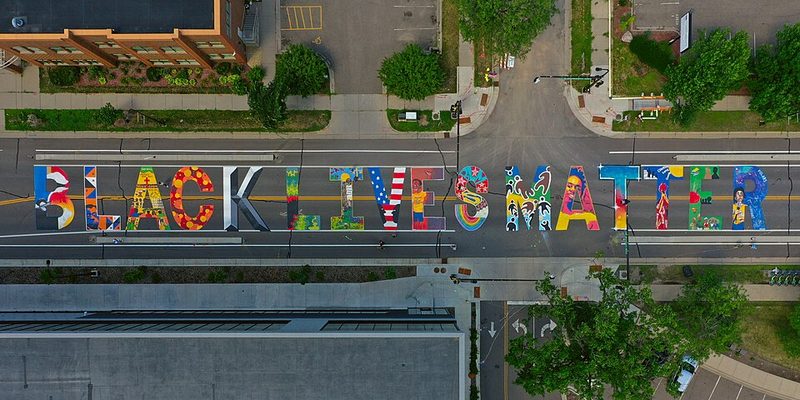
The city's population was shaped by Scandinavian and German immigration in the nineteenth century and by successive waves of arrivals through the twentieth century and into the present. Minneapolis received sustained international attention in May 2020 following the death of George Floyd during a police encounter, an event that prompted widespread protests both locally and globally and set off a significant period of civic reckoning. That history is part of the city's contemporary identity and is acknowledged openly by residents. In August 2025, a mass shooting occurred at the Church of the Annunciation in the Windom neighbourhood, in which two children and the perpetrator died and twenty-eight others were injured. These events form part of the honest record of what the city has experienced in recent years.
Art and Culture
Two institutions anchor Minneapolis's visual arts offer. The Minneapolis Institute of Art (Mia), located south of downtown, holds more than 100,000 works spanning 5,000 years of world history. General admission to the permanent collection is free every day, with no tickets or reservations required. Special exhibitions carry a separate charge. The Walker Art Center, a contemporary art museum near downtown, operates alongside the Minneapolis Sculpture Garden, an eleven-acre outdoor space featuring more than sixty works. The garden's best-known piece is Spoonbridge and Cherry, a sculptural fountain completed in 1988 and designed by Claes Oldenburg and Coosje van Bruggen. The sculpture garden itself is a public park and free to enter; the Walker museum charges for admission. Visitors should check current opening hours with each institution before visiting.
Minneapolis has a well-documented live music and performance culture, and a diverse food scene that includes a notable concentration of international restaurants along Nicollet Avenue — particularly the stretch from around 24th to 28th Street, locally known as Eat Street. Specific businesses change; checking current local listings on arrival is more reliable than a fixed list.
Getting There and Around
Minneapolis–Saint Paul International Airport serves the Twin Cities metro area. The METRO light rail system connects the airport directly to downtown Minneapolis, making car-free arrival straightforward for visitors staying centrally. Bus services extend transit coverage further across the city. Cycling infrastructure is notably developed, consistent with the lakeside park network that frames much of the city's public space. For those driving, the city sits at the intersection of several major interstates. Visitors should check current schedules and route maps with Metro Transit before travelling.
Practical Notes
The UK Foreign and Commonwealth Development Office currently advises normal precautions for travel to the United States, with no specific warnings applicable to Minneapolis. US authorities enforce immigration entry requirements strictly. Weather demands preparation: winters are genuinely cold — January lows can be severe — and summers are warm and humid. Checking seasonal conditions before travel is practical rather than optional. Visitors travelling during the period of the 2026 FIFA World Cup, which the United States co-hosts from June through July of that year, should expect heightened demand for accommodation and transport across American cities.
Minneapolis Sculpture Garden and Walker Art Center
The Minneapolis Sculpture Garden and the adjacent Walker Art Center sit on the western edge of downtown and together draw around 700,000 visitors a year. The 11-acre garden, free to enter and open year-round, displays more than 60 works by artists including Claes Oldenburg, Coosje van Bruggen, Alexander Calder and Theaster Gates. Its best-known piece is Spoonbridge and Cherry (1985–1988), a large sculptural fountain that has become one of the city's most recognised landmarks.
The Walker Art Center traces its origins to 1879, when lumber baron Thomas Barlow Walker opened a gallery in his home. The current institution holds over 13,000 works of modern and contemporary art and regularly programmes film screenings, performances and lectures alongside its exhibitions. Entry to the sculpture garden is free; Walker gallery admission varies, so visitors should check the current schedule and pricing on the Walker's official website before arriving.
Read the full Minneapolis Sculpture Garden and Walker Art Center guide
Sources: Walker Art Center - Wikipedia • Spoonbridge and Cherry - Wikipedia • Walker Art Center - Mission and History • Walker Art Center - Minneapolis Sculpture Garden
Minneapolis Aquatennial and Major Annual Festivals
Minneapolis has an active annual festival calendar, and the Aquatennial is its centrepiece. Held every July since 1940, it is the official civic celebration of the city and one of the longest-running summer festivals in the Upper Midwest.
The Minneapolis Aquatennial
The Aquatennial began in 1940, organised in part to draw public attention away from labour disputes of the period. It is held during the third full week of July and typically runs over several days. Events include a Torchlight Parade, which has become a long-standing tradition within the festival, along with outdoor music, street performances and activities centred on Minneapolis's lakefront and downtown areas. The festival's name reflects the city's identity as a city of lakes. Visitors planning to attend should check the official Aquatennial website for current year dates, event schedules and any ticketed components, as the programme changes year to year.
Other Major Annual Events
Beyond the Aquatennial, Minneapolis runs a varied annual events calendar that reflects the city's demographic diversity and arts culture. The Twin Cities Pride Parade, one of the largest Pride events in the country with attendance reported in the hundreds of thousands, takes place in late June. The Mayday Parade, organised by In the Heart of the Beast Puppet and Mask Theatre, is a distinctive community processional event held in early May that incorporates large-scale puppetry and community-made artwork. The city's official cultural affairs organisation lists a range of annual events including celebrations of Somali Independence Day, Caribbean arts and culture festivals, and outdoor film and music screenings at parks throughout summer. An annual art crawl, billed as one of the largest in the country, also features in the city's events programme.
Visitors travelling in summer should be aware that major festival weekends place significant pressure on accommodation and transport. The 2026 FIFA World Cup, which the United States co-hosts from June through July 2026, is likely to add further demand across American cities during that period. Checking current event dates and booking accommodation early is advisable for summer travel to Minneapolis.
Sources: Minneapolis Aquatennial - Wikipedia • Annual Events - Meet Minneapolis • Best Annual Cultural Festivals in Minneapolis - Meet Minneapolis • Events 2026 - City of Minneapolis Arts and Cultural Affairs
Stone Arch Bridge and Mill District
The Stone Arch Bridge and the surrounding Mill District on Minneapolis's riverfront represent the most tangible surviving evidence of the industrial history that built the city. Saint Anthony Falls, the only natural waterfall on the Mississippi River, powered sawmills and flour mills here through the nineteenth century, making Minneapolis the flour-milling capital of the United States. The physical remains of that era — stone warehouses, mill ruins and a railway bridge — are now accessible to the public as a historic district and a cluster of cultural institutions.
The Stone Arch Bridge
The Stone Arch Bridge was built for the Manitoba Line (St. Paul, Minneapolis and Manitoba Railway) to transport wheat from the Red River valley and Canada to the Minneapolis mills. It is closely associated with James J. Hill, the railway entrepreneur whose Minnesota Historical Society materials describe it as a monument to his vision. The bridge is now a pedestrian and cycling crossing over the Mississippi, offering clear views of Saint Anthony Falls, the mill ruins on the riverbank and the downtown skyline. Admission to the bridge itself is free. The National Park Service offers guided tours at the bridge on select days; visitors should check the current schedule with the National Park Service or the Minneapolis Park and Recreation Board before visiting.
Mill City Museum
Directly adjacent to the bridge, the Mill City Museum is operated by the Minnesota Historical Society and built within the ruins of what was once the world's largest flour mill. The mill complex dates from the 1870s and is listed on the National Register of Historic Places; it is also designated as a National Historic Landmark. The museum uses the physical fabric of the ruin as its exhibition space, incorporating a Flour Tower elevator ride, water and baking laboratories, and rooftop views of the Mississippi River and Saint Anthony Falls. It sits within the St. Anthony Falls Historic District and the Mississippi National River and Recreation Area. Admission charges apply; visitors should check current pricing and hours with the Minnesota Historical Society.
The Broader Mill District
The mill and riverfront area has been substantially redeveloped over recent decades into a mixed cultural, residential and recreational neighbourhood. Stone warehouses and factory buildings from the milling era remain visible in the architecture, giving the district a texture that distinguishes it from other parts of downtown. The Minnesota Historical Society lists a self-guided walking tour of the riverfront area covering key sites from downtown Minneapolis to the historic falls and back. The district provides some of the most legible connections between the city's present form and its nineteenth-century industrial origins.
Sources: Mill City Museum - Wikipedia • Mill City Museum - Minnesota Historical Society • Stone Arch Bridge (Minneapolis) - Wikipedia • Area Attractions - Minnesota Historical Society