The train from Nairobi arrived at Central station in the early evening, the sky already moving from orange toward deep blue above the low rooflines of Mombasa Island. The station area was functional rather than dramatic — a practical terminus rather than a gateway monument — but that was the point. The island was a ten-minute journey away from the tourist imagination of East Africa. Here, it was already itself.
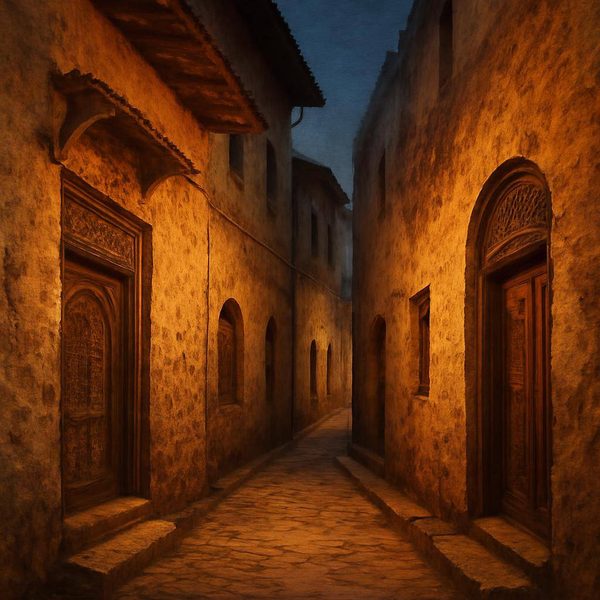
The Old Town began where the CBD's blue-and-white commercial facades gave way to narrower lanes and older materials. The carved wooden doors were the thing everyone mentioned, and they deserved the attention: heavy, elaborately worked panels fitted into stone archways, some belonging to houses that had stood since the days when Gujarati merchants and Swahili traders were negotiating the same Indian Ocean commerce across these same streets. The Swaminarayan Temple and the Jain Temple stood within the heritage quarter, the latter documented as the Mombasa Derasar, a working place of worship that also carried the weight of a community's long migration history. Both were closed at this hour, but neither needed to be open to do their work on a walking visitor. Their presence in proximity to Arab-influenced mosques and colonial-era churches said more about the city's four centuries of crosscurrent commerce than any single exhibit could.
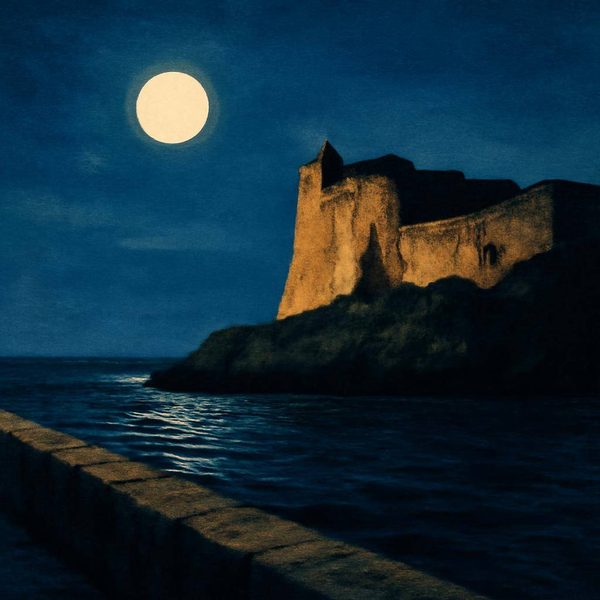
The harbour came into view where the lanes opened toward the waterfront. A container ship sat anchored in Kilindini Harbour, lit along its length, while somewhere beyond the dock lights the outline of a dhow was just visible against the water. This was, according to Encyclopaedia Britannica's account of the city, the same harbour that had been receiving ships from across the Indian Ocean long before the Portuguese built Fort Jesus on the promontory to the south. The fort's walls were pale in the last of the evening light. Local legend, documented by Fabulahub's oral story archive, held that sailors had reported hearing drumming in these lanes for centuries — rising from the Old Town alleys after dark, rhythmic and sourceless, attributed to the spirits of those who never left the port they had reached.
It was easy to believe, walking here at dusk. The sound of the city was already shifting: the daytime noise of matatus and market voices settling into something quieter, punctuated by the call from a nearby mosque and the distant mechanical sound of the harbour. The lanes near the Old Harbour were narrower than they appeared on any map. A turn taken without planning produced a dead end between two carved-door facades; a second turn produced a view of the water between buildings.
The story of the Ghost Drummers, as Fabulahub records it, describes the drumming as beginning softly — like a distant heartbeat — and rising into something fiercer before cutting off entirely. Night-watchmen and fishermen returning before dawn were among those said to have heard it. The rational explanation, if one was needed, probably involved the acoustics of the stone lanes and the rhythm of harbour work. But Mombasa was a city that had been accumulating stories for long enough that the rational explanation felt, in this light, like the less interesting one.
The Likoni Ferry crossing, done the following morning, was a different kind of Mombasa experience entirely — practical, crowded, the car deck full and the foot-passenger queue moving steadily. The Kenya Ports Authority operates the crossing; it carries vehicles as well as pedestrians, and it is the main route for road traffic heading south along the coast. The water between the island and the mainland was the same Indian Ocean that the Ghost Drummers' sailors had crossed. From the deck, the island looked exactly as compact and self-contained as it was.
Visitors planning an evening walk through the Old Town should let it be slow and without a fixed itinerary. The carved doors are most visible in the afternoon light. After dark, the lanes carry a different quality — less ornamental, more atmospheric. Whether anything is actually heard depends, probably, on how long you stand still and how quiet the harbour becomes.
Frequently Asked Questions
What practical route does this Mombasa story follow?
It follows source-backed places and route anchors from the guide, giving orientation and atmosphere while leaving live transport and opening details to the linked sources.
Which live details should I check before using this Mombasa route?
Check current transport, access, opening and weather information from the linked official or operator sources before travelling.
What does this route help visitors understand about Mombasa?
It turns source-backed places, route anchors and local context into a readable visitor route, so the story supports the main guide rather than replacing practical planning.
This is a fictional visitor story generated from source-backed place facts, image evidence and visitor-feel signals. It is not a first-hand WorldTownGuide visit. Named places, routes and historical references are source-backed; the visitor character and narrative events are invented.
Sources: Fort Jesus Museum - KenyaSafari • Likoni Ferry - Wikipedia • The Ghost Drummers of Mombasa - Fabulahub • Mombasa Introduction Walking Tour (Self Guided) - GPS My City • Mombasa Derasar - Jain Treasures