What Morecambe is known for
Read the guide as a story
The Tide and the Statue: A Winter Walk in Morecambe
Morecambe, Lancashire
Morecambe is a seaside town of around 51,000 people on the Lancashire coast, set directly on the shore of Morecambe Bay — a broad, open estuary that empties and fills with the tides in a way that shapes the town's mood and appeal. It sits about 4–5 kilometres west of Lancaster and is well connected by rail, bus and road, making it both a destination in its own right and a practical base for exploring the wider bay area. Visitors tend to find a town that is unpretentious, waterfront-oriented and — for those who like tidal landscapes, walking terrain and emerging arts activity — worth more than a passing afternoon.
First Impressions and Setting
Morecambe sits at around 10 metres above sea level, which means the bay is present almost everywhere. At low tide the water retreats far out, leaving an expanse of sand and mudflat that can feel disorientatingly empty; at high tide the bay fills and the town's promenade takes on a more conventional seaside character. The surrounding hills — Torrisholme Barrow (about 2 kilometres east) and Higher Heysham (around 3 kilometres south) — are visible from the waterfront and provide easy walking objectives for those who want to gain some height and perspective. The town's residential neighbourhoods include Bare to the northeast, Torrisholme to the east and the West End district, while Heysham, with its own character and heritage, lies a few kilometres to the south.
The Midland Hotel on the seafront is one of the town's most striking landmarks — a restored Art Deco building dating from the 1930s, listed by the Twentieth Century Society as a building of architectural significance. It is a useful orientation point and a reminder that Morecambe once had a larger role as a resort served by the Midland Railway.
The Bay and Waterfront
Morecambe Bay is the defining feature of a visit. It is one of the largest intertidal areas in the UK, and the experience of watching the tide behaviour — the water retreating across wide flats and returning — is unlike a conventional beach. The promenade and beach are accessible on foot from the town centre, and the shoreline invites walking in both directions. Half Moon Bay, a smaller bay formation, lies about 4.5 kilometres from the town centre along the coast.
The bay supports watersports activity, though visitors should confirm current operators and facilities locally before planning specific activities. Boat trips are also possible; availability and operators are best checked locally and seasonally. The tidal nature of the bay means conditions change significantly across the day, and safe walking on the sands beyond the immediate beach requires local knowledge — the bay's tidal patterns and channels are not always obvious.
Cultural Attractions and Local Character
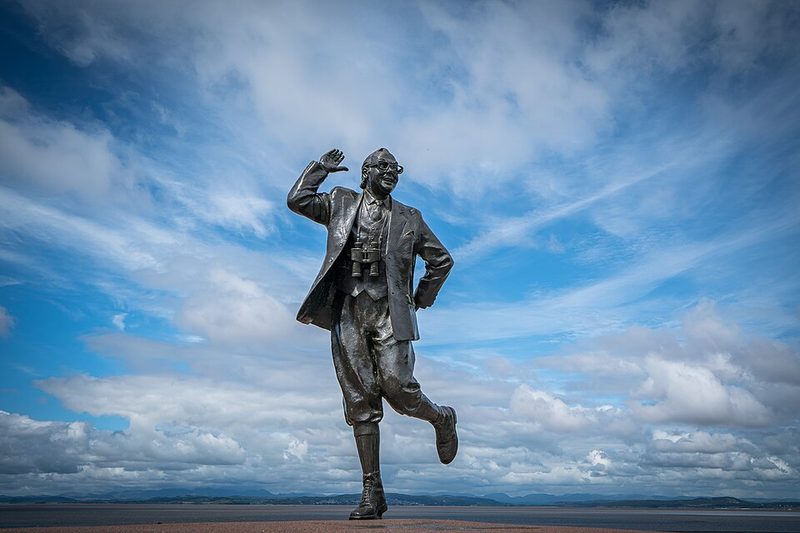
The most immediately recognisable cultural landmark is the Eric Morecambe statue on the promenade. Eric Morecambe (born Eric Bartholomew in the town in 1926) was one of Britain's best-known comedians, and the bronze statue — depicting him in his characteristic pose — draws regular visitors and affectionate attention. It stands as both a civic monument and a focal point for the waterfront walk.
Morecambe also has a documented artist community. The Morecambe Artist Colony is an active organisation that mounts exhibitions and maintains a membership programme, reflecting a creative presence in the town that stretches back some years. Lancaster Arts City has also noted Morecambe's role in arts events including a People's Biennial. These are source-backed activities rather than a large established arts district, but they indicate a genuine cultural thread for visitors interested in local creative scenes.
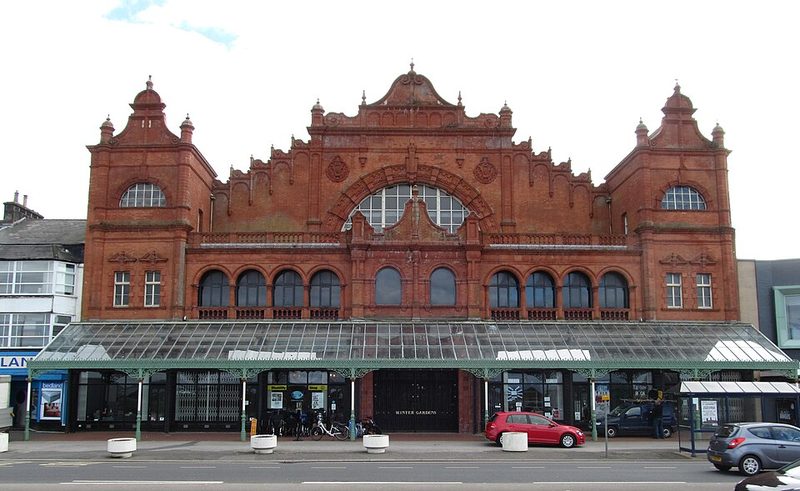
The Winter Gardens is a historic entertainment venue that has been the subject of ongoing restoration interest. Its current operational status should be checked locally before visiting, as the building's public programme has varied over time.
One significant development worth noting is the proposed Eden Project Morecambe. As of the sources available for this guide, the project — a major visitor attraction planned for the seafront — had reached planning and milestone stages, with groundbreaking anticipated in 2026. Visitors planning a trip should check the current status of this project, as it would substantially change the character of the waterfront if and when it opens.
Walks and Viewpoints
The most accessible walks from the town are along the promenade and shore. For elevated viewpoints, Torrisholme Barrow (a hill about 2 kilometres east of the centre) and the Higher Heysham area to the south provide terrain above the flat coastal plain. The adjacent village of Hest Bank, about 3.5 kilometres northeast, sits on the bay shore and is reachable on foot or by local transport. The Morecambe Bay Partnership runs a useful resource at waysaroundthebay.org.uk covering public transport connections and walking options around the wider bay.
Nearby Villages and Day Trips
The settlements immediately adjacent to Morecambe — Bare, Torrisholme, Heysham and Hest Bank — each have their own character and are reachable on foot or by local bus. Heysham in particular has a historic character distinct from Morecambe's resort identity, including a headland with early medieval remains. Lancaster, about 4–5 kilometres to the east, is a short rail or bus journey away and offers a broader range of museums, castle heritage, shops and services. For those extending further, the wider Morecambe Bay area includes villages along both the Lancashire and Cumbrian shores.
Getting There and Around
Morecambe Railway Station is the main rail arrival point, about 500 metres from the town centre. It sits at the end of a branch line from Lancaster, where connections to the West Coast Main Line are available — Lancaster station, described in source materials as an 1902-era station, provides long-distance rail access. Bare Lane Railway Station is a second local rail stop, about 1.8 kilometres from the centre. Heysham Port Railway Station, further south, serves the port area.
By road, the town is accessible from Junction 34 of the M6, a short drive to the east. Car parking is available at several town-centre locations including near the railway station, the Telephone Exchange site and the Town Hall area — space counts at these locations vary, so checking the Morecambe Town Council parking page is advisable for current availability.
Local bus services connect Morecambe with Lancaster and nearby settlements. Stagecoach route 6 runs between Morecambe Bus Station and Lancaster Bus Station, making the Lancaster connection straightforward without a car. Services to Bare are listed under routes 33, 550 and 100 operated by Kirkby Lonsdale Coaches. Route 100 is also noted as serving Lancaster University. Bus timetables change seasonally and should be checked via Lancashire County Council's bus information pages or the operator directly.
For those travelling car-free, Morecambe is genuinely practical: the rail connection to Lancaster and the local bus network cover the main routes. The Morecambe Bay Partnership's public transport resource (waysaroundthebay.org.uk) is a useful starting point for planning bay-wide journeys including any ferry or coach options that may be available.
Practical Notes
Morecambe operates on Greenwich Mean Time (UTC+0, or UTC+1 during British Summer Time). The nearest major hospital is the Royal Lancaster Infirmary, about 4–5 kilometres away in Lancaster. Standard UK travel conditions apply; both the UK and US governments rate the United Kingdom at their lowest advisory level, indicating normal precautions only.
Seasonal patterns are worth noting. The bay and promenade are busiest in summer, when visitor numbers are at their peak. Winter visits are quieter and can involve cold, wet or icy conditions that affect walking comfort and transport reliability. Outdoor activities including watersports and bay walking are most practical in the warmer months. Checking local weather before arriving is sensible year-round given the bay's exposure.
Who Will Enjoy Morecambe
Morecambe works well for visitors who want a tidal waterfront landscape without the crowds of more heavily promoted seaside towns, for walkers who want straightforward coastal and hill routes, for families who are happy with beach, promenade and nearby attractions, and for those interested in a modest but genuine local arts and heritage scene. Visitors expecting a large resort with multiple major attractions or a busy evening economy may find it quieter than anticipated — setting realistic expectations is useful. The town's connectivity to Lancaster adds significant range for day trips, which widens the appeal considerably.
Stations, airports and arrival routes for Morecambe
Getting to Morecambe - Arrival and Transport Guide
Morecambe is straightforwardly accessible from across the UK by rail, road and bus. It does not have its own airport, but the town's connections to Lancaster and the national rail network mean most journeys are manageable without a car.
By Rail
Morecambe Railway Station is the town's main rail terminal, about 500 metres from the waterfront and town centre. It sits at the end of a short branch line from Lancaster, where connections to the West Coast Main Line are available for long-distance journeys from London, Birmingham, Manchester, Glasgow and Edinburgh. Lancaster station — described by official sources as an early-twentieth-century station on the West Coast Mainline — is the key interchange for Morecambe rail passengers.
Bare Lane Railway Station, about 1.8 kilometres northeast of the centre, is a second local stop on the same branch. It is useful for travellers staying in the Bare area of town.
Heysham Port Railway Station, about 5 kilometres south, serves the port area and provides a useful onward link for passengers using the port.
National Rail's station page for Morecambe covers ticketing, facilities, staffing and accessibility information. Visitors who need mobility assistance or have accessibility requirements should check the National Rail accessibility section before travelling.
By Road
Morecambe is accessible from Junction 34 of the M6 motorway, a short drive to the east via the A683. Journey times from the motorway are brief. Parking in the town centre is available at several council-operated sites near the railway station, the Telephone Exchange and the Town Hall; current space availability and charges should be checked via the Morecambe Town Council parking page.
By Bus
Morecambe Bus Station serves local and regional routes. Stagecoach route 6 connects Morecambe Bus Station with Lancaster Bus Station, making the Lancaster corridor accessible without a car and without the rail connection. Services to nearby Bare are listed under routes 33, 550 and 100, operated by Kirkby Lonsdale Coaches. Route 100 is also noted as serving Lancaster University. Bus times and operating days change seasonally; current timetables should be checked via Lancashire County Council's bus station information pages or directly with the relevant operator.
By Coach
Long-distance coach services to Morecambe are available; booking platforms such as CheckMyBus list routes from a range of UK cities. Journey times and operators vary by origin.
Getting Around Once You Arrive
The town centre and promenade are walkable from Morecambe Railway Station in about ten minutes. Local buses serve the wider area including Bare, Heysham and connections towards Lancaster. The Morecambe Bay Partnership's public transport resource (waysaroundthebay.org.uk) covers bay-wide connections and is a useful planning tool for visitors intending to explore the coast in both directions. Taxis operate in the town and can be arranged for onward journeys to villages or the wider Lancaster district.
Sources: Morecambe Station - National Rail • Public transport Morecambe Bay - Morecambe Bay Partnership • Getting Here - Lancaster and Morecambe Bay • 6 Bus Route - Morecambe Bus Station to Lancaster Bus Station - Stagecoach • Morecambe Bus Station - Lancashire County Council
Morecambe beach and bay
Morecambe Bay and the Beach
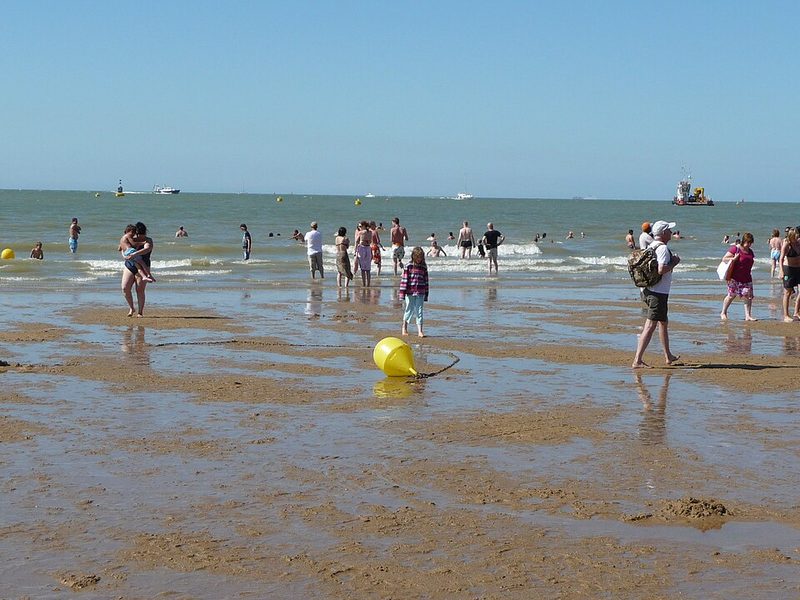
Morecambe Bay is one of the largest intertidal areas in the UK, and experiencing its tidal rhythms is the defining activity of any visit to the town. The bay's behaviour is distinctive: at low tide the water retreats far across sand and mudflat, leaving an expanse that can feel almost desert-like in its scale; at high tide the water fills back to the promenade edge, and the town takes on a more familiar seaside character. This cycle happens twice daily and is worth timing a visit around.
The Beach and Promenade
Morecambe's beach runs along the town's western edge, accessible directly from the promenade. The seafront walk extends north and south, with views across the water to the hills of the Lake District visible on clear days from the northern end. The promenade is where the Eric Morecambe statue stands, and it serves as the central social space of the waterfront.
Half Moon Bay, a smaller bay formation, lies about 4.5 kilometres along the coast from the town centre. It can be reached on foot along the shore or by local transport, though visitors should check conditions and access routes locally.
Safety on the Sands
Walking out onto the bay sands beyond the immediate beach is not straightforward. The bay's channels and tidal patterns shift, and areas that appear safely crossable can change quickly. The bay has a history of cross-sands guided walks — a traditional route with a long history — but these should only be undertaken with an official guide. Visitors are strongly advised against walking independently onto the open sands.
Watersports and Boat Activity
The bay supports watersports activity. Current operators, equipment hire and access points are best confirmed locally and seasonally, as provision changes over the year. Boat trips on the bay are referenced in available sources; availability, timing and booking should be checked locally before planning a visit around them.
Sources: Morecambe Beach - Lancaster and Morecambe Bay • Public transport Morecambe Bay - Morecambe Bay Partnership
Morecambe Artist Colony Exhibition
The Morecambe Artist Colony
Morecambe has an active artist community centred on the Morecambe Artist Colony (MAC), an organisation that mounts exhibitions and maintains a membership open to artists based in and around the town. The colony's existence as a formally constituted group with an exhibitions programme and membership structure indicates a creative scene that goes beyond informal activity.
Lancaster Arts City has documented Morecambe's involvement in broader arts events, including a People's Biennial — a format that positions Morecambe alongside other UK towns with active contemporary arts programmes rather than treating it as a purely heritage destination.
For visitors interested in the local arts scene, the Morecambe Artist Colony website (morecambeartistcolony.org) lists current and forthcoming exhibitions. Given that exhibition schedules change, checking the site before a visit is the most reliable way to find out what is on. The town's creative history is better understood through direct engagement with the colony's programme and local arts organisations than through general guides.
The artist colony context also reflects a wider pattern in which British seaside towns with distinctive light, coastal character and lower costs have attracted working artists. Morecambe's version of this story has enough documented evidence to be treated as a real feature of the town rather than a marketing claim.
Sources: Morecambe Artist Colony • Exhibitions - Morecambe Artist Colony • Morecambe Arts Weekend and the 1st Morecambe People's Biennial - Lancaster Arts City
Nearby villages and day trips
Nearby Villages and Day Trips from Morecambe
Morecambe's position on the Lancashire coast, with rail and bus links to Lancaster and local bus services along the bay, makes it a practical base for exploring the surrounding area. The following are the most accessible destinations, all reachable without a car.
Lancaster
Lancaster is the most significant nearby destination, about 4–5 kilometres east and reachable in minutes by rail (branch line from Morecambe station) or by Stagecoach bus route 6 from Morecambe Bus Station to Lancaster Bus Station. The city has a castle with a long history as both a fortification and a court, a maritime museum, a range of independent shops, and Lancaster University campus (accessible on bus route 100). For visitors basing themselves in Morecambe, Lancaster adds substantial cultural and historical depth to a two- or three-day stay.
Heysham
Heysham, about 3.5 kilometres south of Morecambe centre, is a distinct settlement with a character quite different from the resort town. The headland at Heysham has early medieval remains and is a notable local heritage site. Heysham also has a port with ferry services to the Isle of Man and Northern Ireland — a practical point for those planning onward journeys. The village is reachable by local bus.
Hest Bank
Hest Bank, about 3.5 kilometres northeast along the bay shore, is a small village at the edge of the bay — historically a departure point for cross-sands routes across Morecambe Bay. It is reachable on foot along the coast path or by local transport and provides a quiet contrast to the town's promenade.
Bare and Torrisholme
Bare, immediately northeast of Morecambe, is essentially a residential extension of the town with its own local character. Torrisholme, slightly further east, sits below Torrisholme Barrow hill and provides access to walking routes with bay and hill views. Both are served by local Kirkby Lonsdale Coaches bus routes.
Wider Morecambe Bay
The Morecambe Bay Partnership (waysaroundthebay.org.uk) covers transport and visitor information for the wider bay area, which extends into Cumbria. Villages along the Cumbrian shore are generally less easy to reach without a car, but the partnership's transport pages outline what public transport options exist for those who want to explore further.
Sources: Public transport Morecambe Bay - Morecambe Bay Partnership • Getting Here - Lancaster and Morecambe Bay • 6 Bus Route - Morecambe Bus Station to Lancaster Bus Station - Stagecoach
Family and rainy-day activities in Morecambe
Family and Wet-Weather Options in Morecambe
Morecambe's appeal for families centres primarily on the waterfront, the beach and the promenade, which work well in good weather. The bay's tidal character — watching the water empty and fill — is genuinely engaging for children and requires no paid admission. The Eric Morecambe statue on the promenade is a family-friendly landmark, widely photographed and a natural stopping point on any waterfront walk.
On the Promenade and Beach
The promenade walk is flat and accessible, suitable for pushchairs and younger children. The beach itself offers straightforward seaside activity. Families should note the tidal cycle when planning beach time: the water retreats significantly at low tide, so timing an arrival to coincide with a mid to high tide gives a more conventional beach experience.
Wet-Weather and Indoor Alternatives
Source evidence for specific indoor family attractions in Morecambe itself is limited. The town's connection to Lancaster by rail or bus route 6 is a practical wet-weather option: Lancaster has museums and indoor facilities that extend what is available to families on a rainy day. Visitors planning a family trip during the school holidays or in unsettled weather are advised to check current indoor attractions locally and consider Lancaster as part of the planning.
The proposed Eden Project Morecambe — a major indoor-outdoor development planned for the seafront — would, if and when open, substantially expand the family offer. Its current status should be checked via the Eden Project's own website before planning a visit around it.
Seasonal Considerations
Summer is the most practical season for a family visit, when beach activity and watersports are most available. Winter visits can involve cold and wet conditions that limit outdoor time. School holiday periods bring higher visitor numbers to the promenade and beach area, so managing parking and arrival times is worth considering.
Sources: Family-Friendly Activities - Lancaster and Morecambe Bay • Eden Project Morecambe - Eden Project • Eric Morecambe Statue - Lancaster and Morecambe Bay