

What Nashville is known for
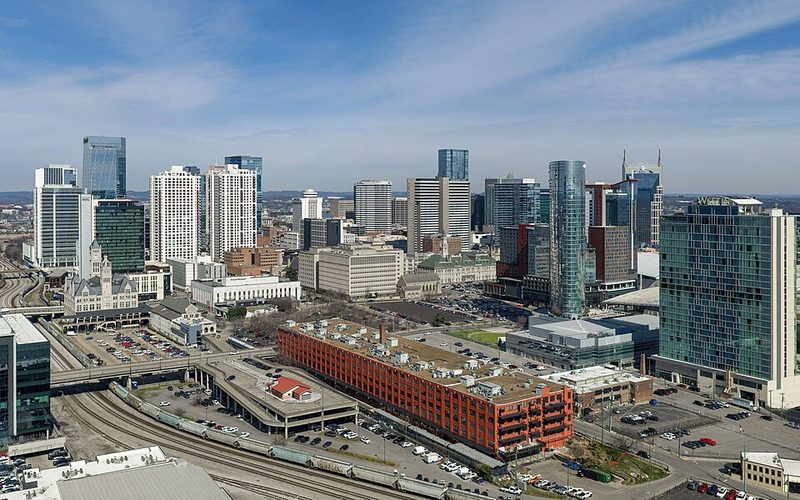
Nashville is Tennessee's capital and the heart of a sprawling metropolitan region. The city sits on the Cumberland River in Middle Tennessee, where it functions as the state's administrative centre and the core of one of America's fastest-growing urban areas. The 2020 census recorded 689,447 residents within the city limits, making Nashville the 21st-most populous city in the United States. The wider metropolitan area exceeds 2.15 million people and continues to expand.
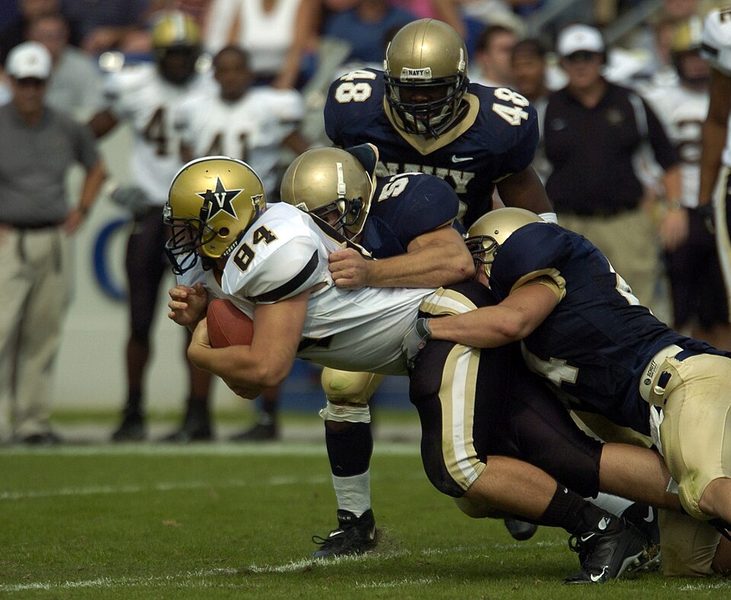
The city's economy is anchored by healthcare, finance, manufacturing and music. Vanderbilt University Medical Center employs more than 28,000 people and ranks among the world's largest research hospitals. The music industry—particularly country and bluegrass—contributes billions annually and shapes how Nashville presents itself globally. The Grand Ole Opry House and the Country Music Hall of Fame are longstanding institutions rooted in this heritage. Artists including Dolly Parton and Johnny Cash built careers connected to Nashville's recording studios and performance venues.
Setting and Arrival
The Cumberland River defines Nashville's geography. The city sits at 171 metres elevation in the gently rolling landscape of Middle Tennessee. Summer heat is typical for the region; winters are mild but occasional severe weather does occur. The layout reflects river origins and subsequent expansion as a rail and automotive hub, with historic downtown areas and sprawling modern districts.
Nashville International Airport (BNA) serves as the main air hub. Ground transport options, including bus terminals and local transit systems, should be verified locally before travel as services and schedules change regularly. The city's position on major highways reflects its historical role as a regional transportation centre.
Historical Background
Human settlement in the Nashville area stretches back 11,000 years to Paleoindian inhabitants. Between approximately 1000 and 1400 CE, the Mississippian culture built towns with earthen mounds in the region, some of which survive. Later, Cherokee, Chickasaw and Shawnee peoples used the land as hunting grounds. The area gained the contested name "bloody ground" because of repeated territorial conflicts.
European contact began in the late 1600s and early 1700s with French fur traders. Around 1710, trader Charles Charleville operated a post near a salt lick known as French Lick, a natural feature that drew people for centuries. By the 1760s, French-Canadian hunter Timothy Demonbreun was present when the first settlers arrived from the east.
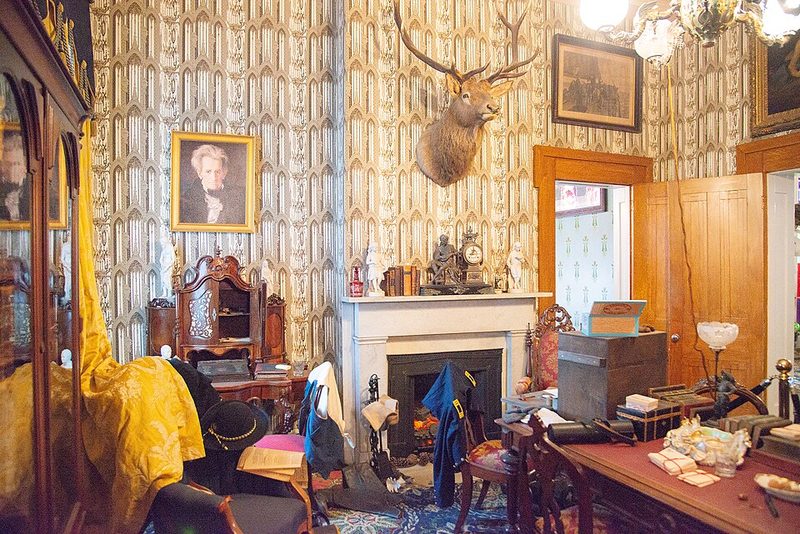
Organized settlement began in 1779 when James Robertson and John Donelson established Fort Nashborough on the Cumberland River banks. The name honoured Francis Nash, a Revolutionary War hero from North Carolina. The settlement evolved from a river fortress into a town, officially renamed Nashville in 1784. The early economy depended on river trade and agriculture—tobacco, corn and livestock were primary exports.
Nashville's political significance grew rapidly. In 1806, the city hosted the first meeting of the Tennessee General Assembly, cementing its role as state capital. This legislative presence, combined with river access and an emerging role as a transportation hub, shaped its trajectory as a regional centre for business and governance.
The Parthenon
A full-scale replica of the Parthenon stands in Centennial Park as one of Nashville's most distinctive landmarks. The structure was built in 1897 as part of the Tennessee Centennial Exposition, designed by architect William Crawford Smith. The replica reflects the city's 19th-century aspirations to be known as "the Athens of the South", a reference to its early educational institutions.
The building now functions as an art museum and houses a 42-foot statue of Athena. Centennial Park itself is a 132-acre urban park located on West End and 25th Avenue North, featuring Lake Watauga, a one-mile walking trail, the Centennial Art Center, a sunken garden and historical monuments.
Music and Cultural Infrastructure
Nashville's identity as a music centre is anchored in specific institutions and performance spaces. The Grand Ole Opry, the world's longest-running radio show since 1925, broadcasts from the Grand Ole Opry House, a 4,400-seat venue that continues to showcase country music and bluegrass. Membership in the Opry remains one of country music's significant achievements—just over 225 acts have been members throughout its history.
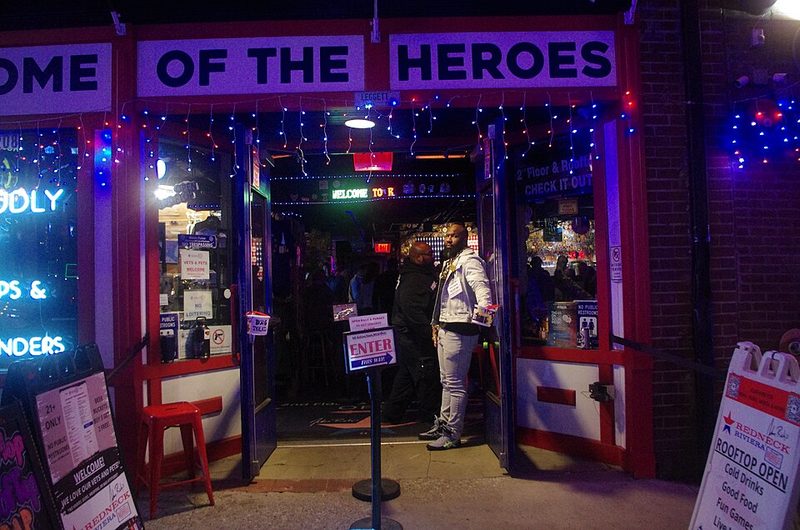
Lower Broadway, known as the Honky Tonk Highway, is a row of music venues pumping live music into the streets from 10am to 3am daily, with no cover charge. The Ryman Auditorium, which opened in the late 1800s, is Nashville's most famous historic music venue and sits behind several of the Broadway honky tonks.
The Country Music Hall of Fame preserves the industry's history and heritage. Historic neighbourhoods maintain antebellum architecture alongside modern development. Educational institutions including Vanderbilt University contribute to Nashville's identity as a cultural and educational centre.
Practical Considerations
Nashville functions as a major business and tourism centre. Accommodation and dining options are available across all price ranges, though specific recommendations should be sought from current local sources. The city's scale means transport within the metropolitan area is essential for most activities. The Cumberland River is a constant visual presence and defines many public spaces.
Streets in older neighbourhoods follow topography and historical trade routes. Newer areas spread across flatter terrain with the sprawl typical of 20th-century American growth. Public spaces and performing arts venues reflect the city's investment in cultural life, though specific attractions and events should be checked locally for current offerings.