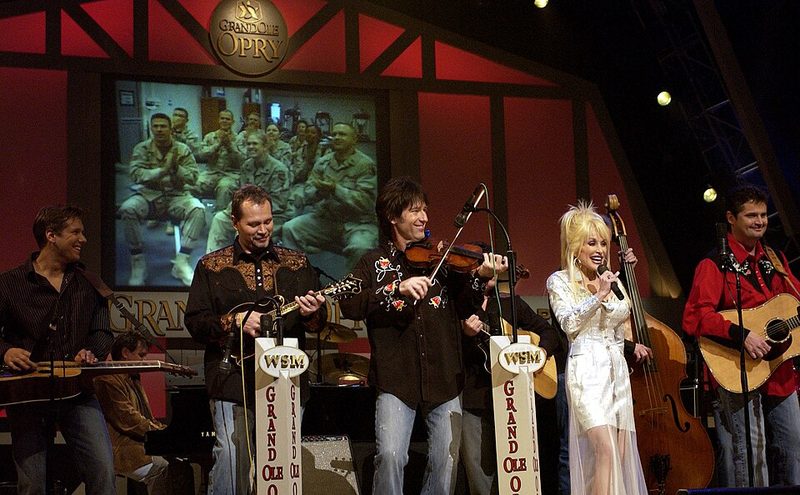
The Grand Ole Opry is the world's longest-running radio show and one of Nashville's defining cultural institutions. Founded on 28 November 1925 as the WSM Barn Dance, the programme began broadcasting from radio station WSM—built by the National Life and Accident Insurance Company as a public service shortly after commercial radio arrived in the United States. George D. Hay, who introduced himself on air as "Judge Hay," produced the first broadcast featuring 77-year-old fiddle player Uncle Jimmy Thompson. The show took its current name in 1927 and has aired continuously for nearly a century, making it a pillar of American country music history.
The Ryman Years and Move to Music Valley
From 1943 to 1974, the Grand Ole Opry broadcast from the Ryman Auditorium in downtown Nashville. The Ryman, originally built in the late 1800s, became so closely associated with the Opry that it earned the nickname "Mother Church of Country Music." During these decades, the venue hosted performances by generations of country artists and solidified Nashville's position as the centre of the genre. In 1974, the Opry moved to a purpose-built 4,400-seat Grand Ole Opry House in the Music Valley area east of downtown. When the new venue opened, builders installed a circle of wood cut from the Ryman stage into the new stage floor, preserving a physical link between past and present.
Membership and Cultural Significance
Membership in the Grand Ole Opry remains one of country music's most prestigious honours. Since the show's inception, just over 225 acts have been inducted as members out of thousands who have performed in the genre. The Opry's significance extends beyond music—Nashville's official welcome signs at the Metro Davidson County line include a "home of" reference to the institution, reflecting its importance to the city's identity. The show continues to bridge traditional country sounds and contemporary artists, maintaining relevance across generations.
Visiting the Opry
The Grand Ole Opry House offers both live performances and guided backstage tours. Tours operate regularly and provide access to areas including dressing rooms, the stage with its famous wooden circle, and Studio A, the former home of the television show "Hee Haw." Multiple tour formats are available: daytime backstage tours, post-show tours that allow visitors to step behind the curtain after a live performance, and specialised tours focusing on different aspects of the venue's history. Visitors interested in attending a live show should note that the Opry never presents the same lineup twice—the rotating cast of performers and surprise guests means each broadcast is unique. The venue is celebrating its 100th anniversary in 2025 with expanded programming branded as Opry 100. Current show schedules, tour times, and ticket availability should be verified directly through the official Opry website before planning a visit.
Practical Information
The Grand Ole Opry House is located in Music Valley, several kilometres east of downtown Nashville. Visitors using the backstage tour should be aware that tours operate every 15 minutes during open hours, though popular time slots can sell out in advance. Those attending a post-show tour must also hold a ticket for the preceding live performance. The venue's official channels provide the most current information on accessibility, parking, and any temporary closures or schedule changes.
Sources: Opry History • Grand Ole Opry - Wikipedia • Tour the Opry • Ryman Auditorium - Grand Ole Opry Years