

What Sacramento is known for
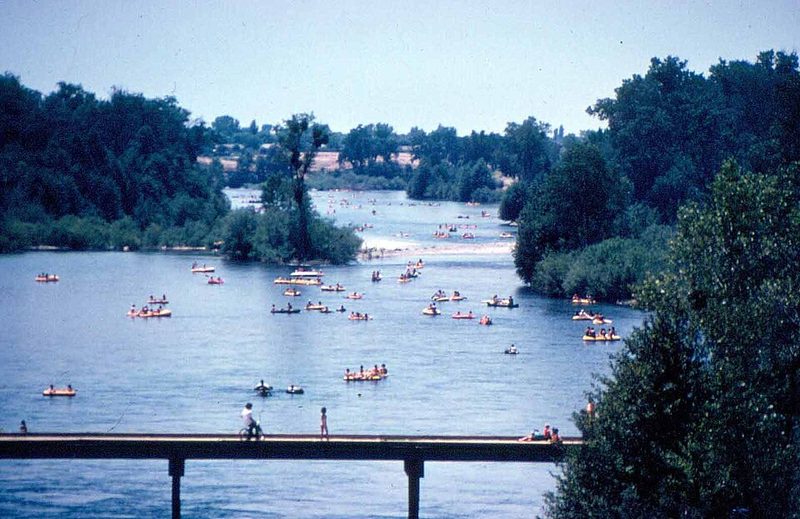
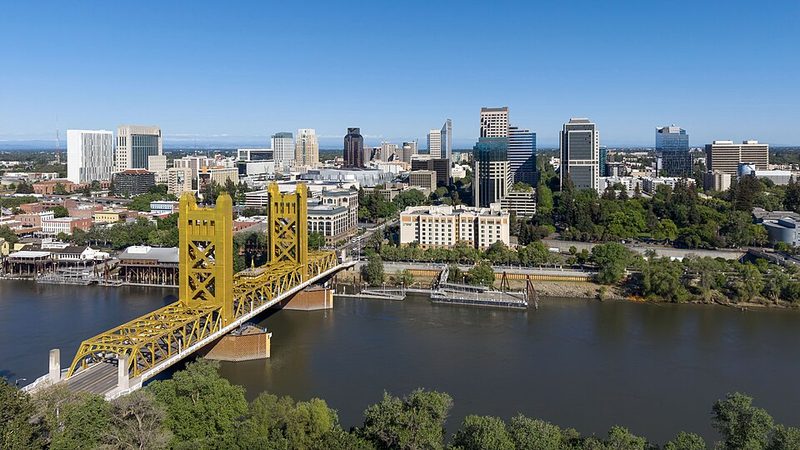
California's sixth-largest city sits at the confluence of the Sacramento and American Rivers in the Central Valley—approximately 120 kilometres northeast of San Francisco. Sacramento serves as state capital, a role it has held since 1854, and functions primarily as a government city where the capitol complex employs more people than any other single employer. The rivers that made the location valuable for 19th-century commerce remain visible features of the urban landscape, and the legacy of the 1849 Gold Rush—when the settlement transformed from trading post to boomtown within a single year—shows in the preserved historic districts and the cultural memory that still shapes local identity.
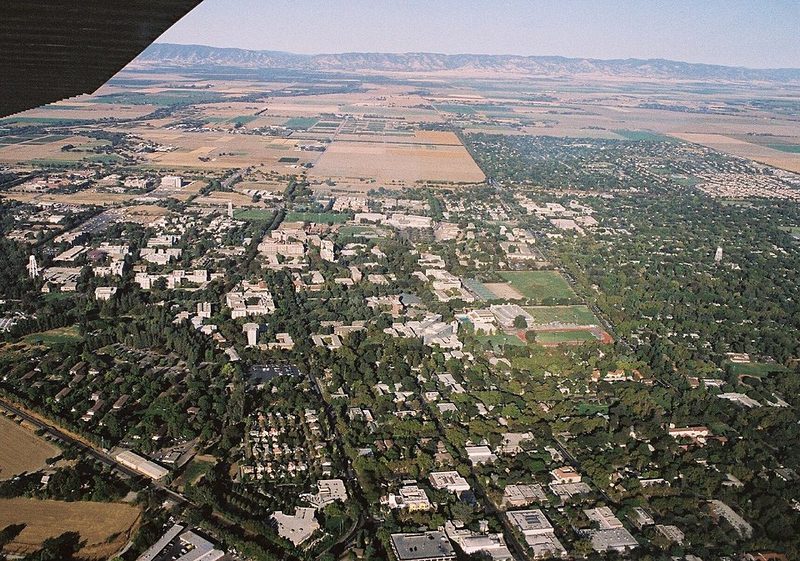
Visitors arriving from coastal California or mountain areas notice the valley setting immediately: flat terrain, hot dry summers, mild winters, and a sprawling American city layout where distinct neighbourhoods spread outward from the Capitol Mall and Old Sacramento waterfront rather than clustering in a dense centre.
The Gold Rush Foundation
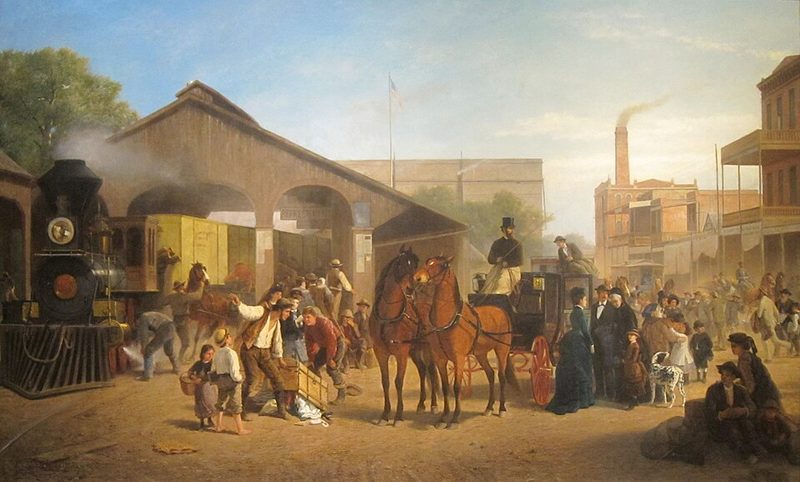
The Maidu people inhabited this region for more than 8,000 years before European contact. John Augustus Sutter established a trading post here in 1839, calling it New Helvetia—a Swiss heritage reference. The settlement remained modest until 1849, when the California Gold Rush transformed everything. Within months, Sacramento became the crucial supply hub for prospectors heading to Sierra Nevada goldfields. Thousands arrived from across the world, making the city genuinely multicultural from its founding era.
The rapid growth was chaotic. Sutter's Fort relied on Indigenous labour under conditions of exploitation now plainly documented as part of the city's founding stain. Sacramento was incorporated in 1850, barely a year into the gold rush, and became California's capital in 1854. Unlike many gold rush boomtowns that faded, Sacramento sustained itself through government, river commerce, and later rail connections.
Old Sacramento and the Waterfront
Old Sacramento, designated a National Historic Landmark District, occupies 28 acres along the Sacramento River waterfront. The neighbourhood preserves 19th-century buildings with wooden sidewalks, and functions as both a historic district and an active commercial area with more than 125 shops, restaurants, museums and attractions. The California State Railroad Museum, the Sacramento History Museum, and numerous other institutions cluster here. The 1853 Lady Adams Building—constructed from brick ballast taken from a ship—still stands.
Visitors will find the district accessible and walkable, though it maintains a distinct tourist-facing character. The riverfront itself remains visible and present, a physical reminder of why the city exists at this confluence.
Museums and Cultural Institutions
The Crocker Art Museum, established in 1885, ranks among the oldest art museums in the western United States. The collection includes European paintings, some of which spent 50 years forgotten in the Crocker Mansion basement before resurfacing in 1940. The museum now holds works spanning centuries and continents.
The California State Capitol Museum occupies the working capitol building—security screening is standard. Capitol Park surrounds the building with landscaped grounds. The California Museum, California Automobile Museum, and Sacramento History Museum offer further options, though current exhibitions and opening times require local verification.
Farm-to-Fork Identity
Sacramento markets itself as "America's Farm-to-Fork Capital," reflecting its Central Valley agricultural location. Since 2013, Visit Sacramento has organised annual Farm-to-Fork events in September, including a large free festival on Capitol Mall, the Tower Bridge Dinner, and other culinary programming. The events draw regional and national visitors and feature local restaurants, chefs, farmers, vintners and brewers. In recent years the city hosted Terra Madre Americas, described as the largest food festival Sacramento has held.
The farm-to-fork designation reflects genuine agricultural proximity rather than purely marketing invention—the Central Valley produces significant portions of California's agricultural output, and Sacramento sits at the valley's heart.
Climate and Timing
The valley location creates a Mediterranean climate with hot, dry summers—temperatures regularly exceed 35°C—and mild, wetter winters. The heat in summer is a practical consideration; visitors should plan accordingly. Autumn brings tree colour changes in neighbourhoods such as Midtown, Boulevard Park, and McKinley Park, where locals picnic when the heat subsides.
Transport and Access
Sacramento International Airport serves regional and some longer-distance flights. Major highways connect the city to the San Francisco Bay Area, the Sierra Nevada, and other parts of California. Amtrak trains link Sacramento to the broader rail network, including services to the Bay Area and beyond. Local bus and light rail services operate within the city, though Sacramento remains a car-oriented metropolitan area where public transport coverage is uneven. Current schedules and routes should be checked with local transit authorities.
Notable Local Figures
Sacramento has produced or been home to several nationally known figures. Writer Joan Didion, filmmaker Greta Gerwig, television journalist Lester Holt, and baseball manager Dusty Baker all have Sacramento connections. Justice Anthony Kennedy, who served on the U.S. Supreme Court, was born here. The city maintains a Walk of Stars honouring local figures, including Sacramento Delta landscape painter Gregory Kondos, whose work appears in collections including the Yosemite Museum.
Day Trips and Nearby Areas
The Sacramento-San Joaquin River Delta lies immediately south of the city—an area of levees, waterways, farms, and small towns that feels distinct from the urban centre. The town of Locke, a historic Chinese-American settlement, and Freeport are accessible within minutes and offer glimpses of river delta culture and history. Delta wineries operate in the area. The town of Folsom, site of the historic Folsom Prison and now a suburban community, lies approximately 30 kilometres east and hosts a Saturday farmers market.
The Sierra Nevada foothills and Yosemite National Park are within two to three hours' drive, making Sacramento a staging point for mountain destinations, though these are separate trips rather than quick excursions.
Practical Notes
Sacramento functions as a working city where people live, commute, and conduct state business. Neighbourhoods vary considerably in character—Midtown has walkable blocks with restaurants and bars; other areas are car-dependent suburban developments. The Capitol area is busier during legislative sessions. Summer heat can be intense; carry water and seek shade. Information about current events, exhibitions, restaurant hours, and local activities is best gathered from local visitor bureaus and current online sources rather than relying on static guides.
Crocker Art Museum
The Crocker Art Museum, founded in 1885, is the oldest public art museum in the American West. Located near the Sacramento River, the museum originated from Edwin and Margaret Crocker's private collection, donated to Sacramento along with their purpose-built gallery. The original Victorian mansion remains part of the complex.
The museum's collections include premier holdings of Californian art from the Gold Rush era to contemporary work, European paintings spanning multiple centuries, and permanent collections of Asian, African, and Oceanic art, ceramics, and photography. Visitors explore three floors and 15 distinct gallery spaces. The museum is open Wednesday through Sunday, 10 a.m. to 5 p.m. (extended hours Thursday until 9 p.m.). Admission is $15 for adults, with reduced rates for seniors, students, military, and youth. Docent-led tours run daily, with themed experiences highlighting architecture, history, and collections.
Read the full Crocker Art Museum guide
Sources: Crocker Art Museum - Plan Your Visit • Crocker Art Museum - Wikipedia • Your Guide to Visiting Sacramento's Crocker Art Museum
Old Sacramento Waterfront
Old Sacramento Waterfront is a 28-acre National Historic Landmark District preserving the city's original commercial centre along the Sacramento River. The district contains over 130 shops, restaurants, and businesses in restored 19th-century buildings, with wooden sidewalks and raised streets documenting the Gold Rush era.
After devastating floods in the 1850s and 1860s, Sacramento raised street levels up to 20 feet, creating hollow sidewalks and subterranean spaces. The Sacramento History Museum leads Underground Tours through these remnants, where costumed docents explain the engineering challenge. The district houses multiple museums including the California State Railroad Museum and Sacramento History Museum, alongside working businesses. Guided walking tours with period-costumed storytellers share accounts of fortune seekers and riverfront commerce. The waterfront location at the confluence of two rivers explains Sacramento's strategic importance as gateway to the Sierra Nevada goldfields.
Sources: Old Sacramento Waterfront - Official Site • Old Sacramento Waterfront - Visit Sacramento • Underground Tours - Sacramento History Museum • Explore Historic Old Sacramento Waterfront
Sacramento Farm-to-Fork Festival
Sacramento's Farm-to-Fork Festival, held annually in September on Capitol Mall, celebrates the city's identity as America's Farm-to-Fork Capital. The free public festival features food tastings, cooking demonstrations, live music, and regional wine and craft beer vendors, drawing thousands of visitors. The event originated in 2012 when restaurateur Josh Nelson partnered with Visit Sacramento to highlight the region's agricultural advantages.
The festival typically runs Friday evening (4-9 p.m.) and Saturday (11 a.m. to 9 p.m.) in September. Local restaurants serve dishes prepared with regional ingredients, while cooking demonstrations feature established and rising-star chefs. The broader two-week Farm-to-Fork Celebration includes the Tower Bridge Dinner, where diners sit at tables on the bridge itself. Proceeds support scholarships for children of farmworkers and keep the main festival free. Sacramento's Central Valley location provides year-round access to fresh produce, livestock, dairy, and specialty crops, making the farm-to-fork concept a genuine reflection of regional agricultural reality.
Sources: Farm to Fork in Sacramento • What to Do at the Sacramento Farm-to-Fork Festival
Sacramento Delta Region
The Sacramento Delta, located minutes south of Sacramento, forms a network of waterways, islands, and levee-protected agricultural land where the Sacramento and San Joaquin Rivers converge. Highway 160 provides main access along the Sacramento River, with a driving loop touching major Delta communities. The region extends from Freeport in the north to Rio Vista in the south.
Locke, established in 1915 by Chinese immigrants, is the United States's only rural Chinatown and a National Historic Landmark. The town preserves wooden buildings, the Chinese School, and the Dai Loy Museum (former gambling hall). At its peak, Locke housed over 600 residents. The Clarksburg wine region produces wines from Delta terroir, with Bogle Vineyards planting the first vines in 1968. The Old Sugar Mill, a 1934 beet-sugar refinery, now houses 15 wineries. The Delta is accessible as a day trip from Sacramento, requiring 20-30 minutes' drive to reach northern communities, offering insight into agricultural labour history and water infrastructure.
Sources: Sacramento Delta Tour - Visit California • Locke Historic District - Visit the California Delta