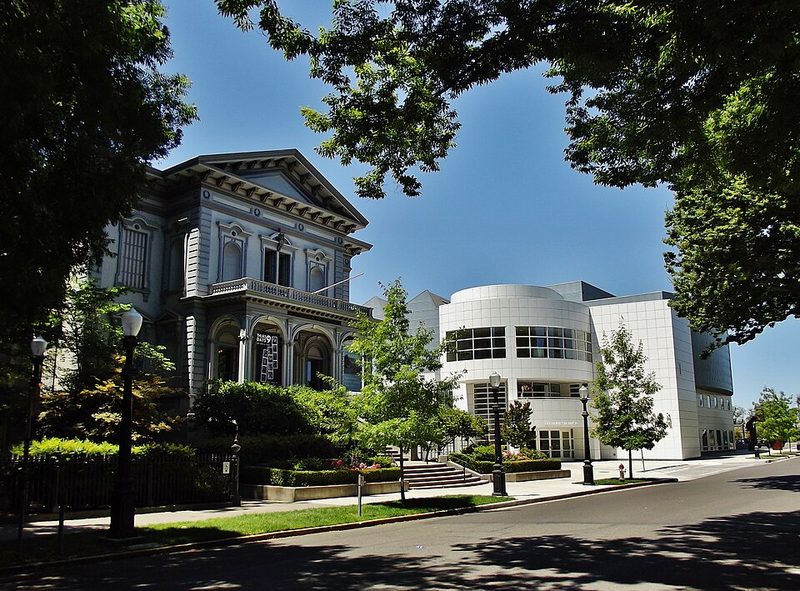
The Crocker Art Museum, founded in 1885, holds the distinction of being the oldest public art museum in the American West. Located near the Sacramento River just south of Old Sacramento, the museum combines a historic mansion with contemporary gallery spaces, offering visitors three floors and 15 distinct gallery spaces that span centuries, continents, and cultures.
History and the Crocker Legacy
The museum originated from the private collection of Edwin and Margaret Crocker. Edwin Crocker, a railroad lawyer and judge who worked alongside the Central Pacific Railroad's founding figures, assembled an extensive art collection during trips to Europe in the 1860s and 1870s. The Crockers donated their collection and the purpose-built gallery to the city of Sacramento in 1885, establishing what would become a cornerstone of the city's cultural landscape. The original Crocker Mansion, a Victorian-era residence, remains part of the museum complex and provides architectural context for the collection's origins.
In 1940, a significant discovery occurred when paintings that had been stored and largely forgotten in the basement of the old Crocker Mansion for 50 years resurfaced, adding unexpected depth to the museum's holdings. This historical layer reflects both the scale of the original collection and the evolving understanding of what the Crockers had assembled.
Collections
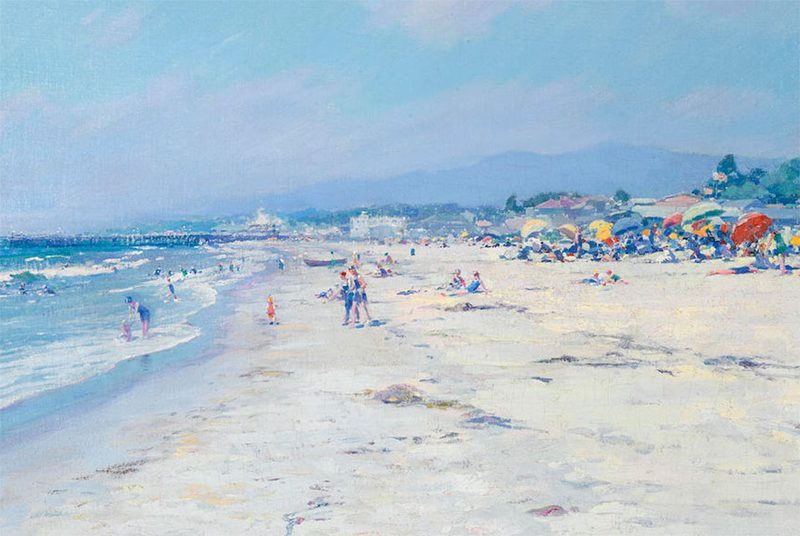
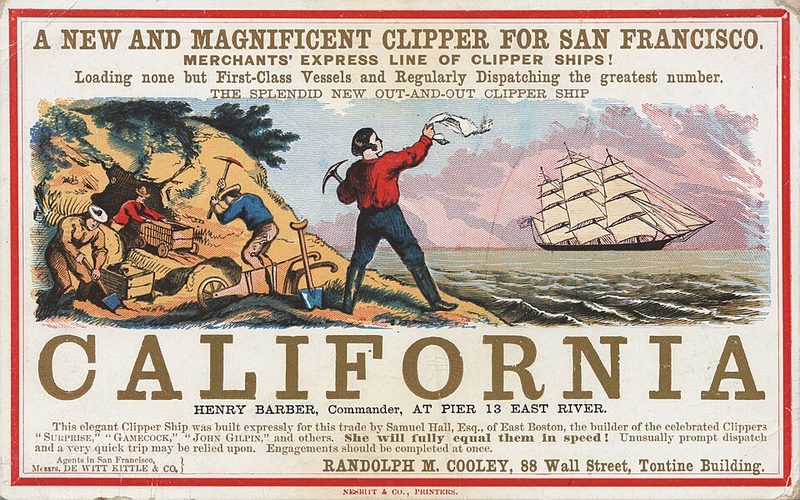
The Crocker holds one of the premier collections of Californian art, with American works dating from the Gold Rush era to contemporary pieces. This California focus provides visitors with a visual chronicle of the state's artistic development, from the 19th-century landscape painters who captured the Sierra Nevada and Central Valley to modern and contemporary California artists.
The European painting collection includes works spanning multiple centuries. Beginning in the 21st century, gifts by philanthropist Alan Templeton expanded the scope considerably, adding Italian artists including Guercino, il Morazzone, Bernardo Strozzi, and Rosalba Carriera; the Swedish portrait painter Alexander Roslin; French artists Simon Vouet, Philippe de Champaigne, Jean-Baptiste Perronneau, and others; English portraitist Sir Thomas Lawrence; and works from Austrian, German, and Dutch artists. This expansion transformed the European collection from its 19th-century foundations into a more comprehensive survey.
The museum also maintains permanent collections of Asian, African, and Oceanic art, ceramics, and photography. The breadth of these holdings means that repeat visits reveal different aspects of the collection, depending on what is on view in the rotating exhibition schedule.
Visiting Practicalities
The Crocker Art Museum is open Wednesday through Sunday from 10 a.m. to 5 p.m., with extended hours on Thursdays until 9 p.m. The museum is closed Monday, Tuesday, Thanksgiving, Christmas, and New Year's Day. Admission is $15 for adults, $10 for seniors (65 and older), college students, and military personnel, $8 for youth ages 6-17, and free for children 5 and under. General admission includes access to all exhibitions.
Docent-led tours are offered daily, with themed experiences that highlight the museum's architecture, history, and collections. Tours designed for families are available, and the museum offers Tot Land, an interactive play space for children. Advance registration for tours is recommended. The museum also provides guided tours in ASL, Cantonese, French, Mandarin, and Spanish with at least two weeks' advance notice, reflecting Sacramento's multicultural population.
The Crocker Café serves meals crafted with regional ingredients in Friedman Court, allowing visitors to combine art viewing with dining. The Gerald Hansen Library houses art historical archives for researchers. Current exhibition schedules, special events, and programme details are available through the museum's website, as temporary exhibitions change throughout the year.
Context Within Sacramento
The museum's location near Old Sacramento and the Capitol district places it within walking distance of other major visitor sites. Its role as a cultural anchor in the city reflects Sacramento's function as more than just a government centre—the Crocker provides a counterpoint to the political focus of the state capitol, offering a space where art historical narratives unfold independently of California's legislative calendar.
Sources: Crocker Art Museum - Plan Your Visit • Crocker Art Museum - Wikipedia • Your Guide to Visiting Sacramento's Crocker Art Museum