In This Guide
Read the guide as a story
The Hill That Started a War: A Day in Sagunto
Sagunto, Valencia
Sagunto is a city of roughly 66,000 people sitting about 30 kilometres north of Valencia on Spain's Mediterranean coast, within the fertile Camp de Morvedre region. It has three things that make it worth time: genuine Roman and medieval archaeology, a working town character largely untouched by tourist infrastructure, and a railway station with direct and commuter connections that make it easy to reach from Valencia, Castellón and beyond. For travellers who want layered history without a curated visitor experience, Sagunto makes a strong case.
Setting and First Impressions
Arriving in Sagunto, terrain defines the place immediately. The town occupies relatively flat ground at around 43 metres above sea level, but the ridges of Montaña de Ponera and Montaña de Romeu rise close by — visible from much of the centre and accessible for walks that offer elevation and views across the plain toward the coast. The town itself is walkable for most purposes: plazas, commercial streets and local services are concentrated enough that a visitor can orient within an hour of arrival.
Green space is integrated rather than peripheral. Triángulo Umbral is a park within the urban fabric, used by residents and reachable on foot. Parque Blasco Ibañez is larger and sits around five kilometres from the centre, making it a purposeful trip rather than a casual detour. The name connects to the Valencian novelist Vicente Blasco Ibáñez, author of The Four Horsemen of the Apocalypse, who was born in Valencia and whose influence on the region's cultural identity remains visible in place names and institutions.
History and Heritage
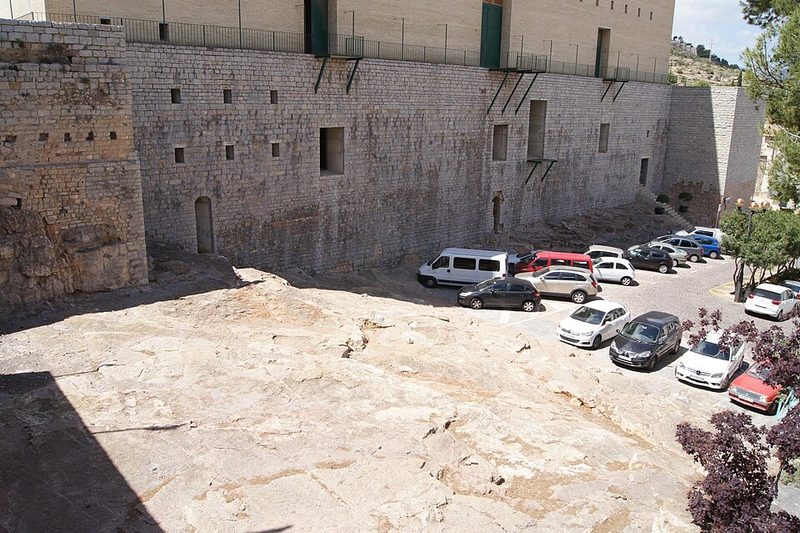
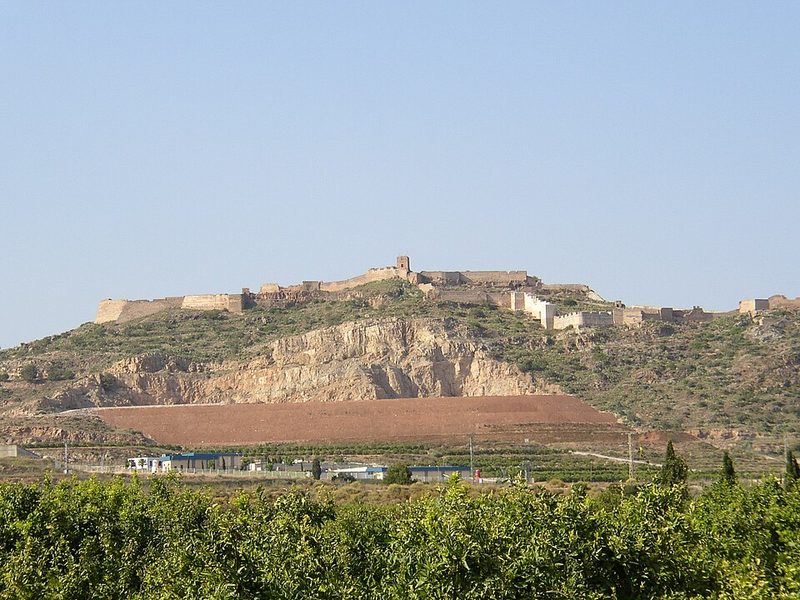
Sagunto's history is long and layered. The town was the ancient settlement of Saguntum, and its Roman-era forum — the Saguntum Forum — survives as physical archaeology rather than reconstruction. The castle complex, Castillo de Sagunto, occupies a long hilltop above the old town and is a declared Monumento Nacional; its walls incorporate Iberian, Roman, Visigothic and medieval phases of construction, making it one of the most historically complex sites in the Valencian Community. The siege of Saguntum by Carthaginian forces under Hannibal in 219 BC, and the town's subsequent destruction, was one of the triggers for the Second Punic War — a fact that gives Sagunto an outsized place in classical history relative to its current size.
The old town also retains a Jewish quarter (the Judería) from the medieval period. Sagunto was one of the communities connected to the network of Sephardic heritage sites across Spain, and the quarter's street layout and a small number of historic buildings reflect that history. Visitors with an interest in Sephardic heritage can combine Sagunto with the wider Caminos de Sefarad network.
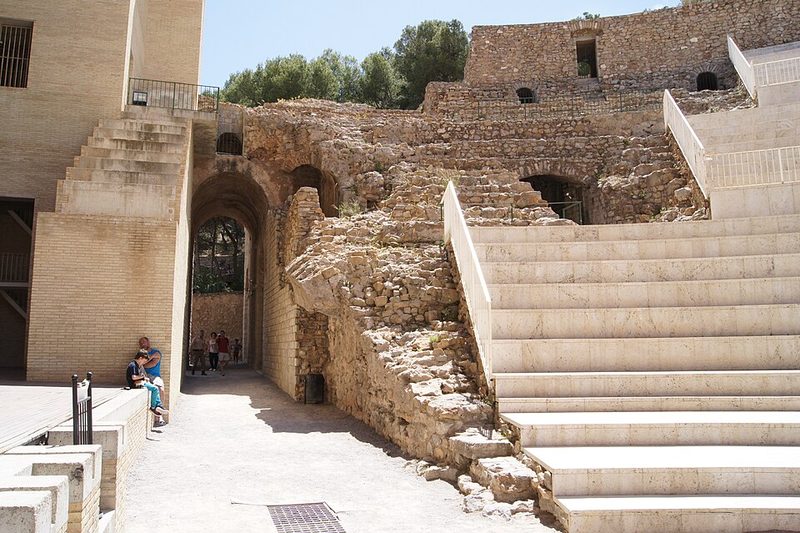
For visitors primarily interested in Roman archaeology, the Museo Arqueológico de Sagunto holds collections from the region, including material from the forum and surrounding excavations. The Roman theatre (Teatro Romano de Sagunto) is a significant surviving structure that became the subject of a protracted conservation controversy in the 1990s when a modern performance stage was inserted into the ancient fabric; the debate — and the theatre's subsequent partial restoration — is itself part of Spanish heritage management history. The theatre continues to host the Sagunt a Escena festival each summer, an outdoor performance season that draws audiences from across the region.
Parks, Walks and the Surrounding Landscape
Walking is the most accessible outdoor activity. The slopes of Montaña de Ponera in particular offer a short but rewarding climb with views back over the town and plain. The ridge of Montaña de Romeu, a few kilometres from the centre, provides a further option. Neither requires specialist equipment or significant planning — they are the kind of terrain that a visitor with a free morning can explore without advance booking.
The wider Camp de Morvedre plain is agricultural, and the approach roads and rail corridor pass through citrus and market-garden land typical of the Valencia coastal hinterland. This is not dramatic wilderness, but it gives the landscape a working, productive character that contrasts with the archaeological weight of the town above it.
Port de Sagunt, about five kilometres away, and Grao de Murviedro, slightly further, provide coastal access — beaches and the Mediterranean waterfront — that Sagunto town itself does not have. Both are reachable by public transport. Port de Sagunt developed around a major steelworks in the early twentieth century; much of the industrial infrastructure was dismantled in the 1980s after the plant's controversial closure, but the settlement retains its own identity distinct from the historic centre.
Museums and Indoor Options
The Museo Arqueológico de Sagunto, administered by the Generalitat Valenciana, is the primary indoor cultural venue backed by official sources. Spain.info lists it among the region's places of interest. The Museo Histórico de Sagunto has a social media presence and covers local history, though detailed visitor information should be confirmed directly before visiting. On rainy days or in summer heat, the castle and archaeological museum provide meaningful indoor and covered time; the castle complex in particular is large enough to occupy several hours.
Daily Life and Local Character
The Mercado Municipal del Puerto serves the local food and commerce economy. Markets of this kind in Spanish towns typically operate on weekday mornings; specific days and hours should be confirmed locally. The town has the range of services expected of a provincial Spanish centre — cafes, local restaurants, small shops — and visitor sentiment recorded in travel sources notes good food and drink options and a place that families find workable. The town is not primarily oriented around tourism, which for many visitors is itself part of the appeal.
Getting There and Around
Sagunto Station is the primary arrival point, located under one kilometre from the town centre. The station sits on the Valencia–Castellón main line and is served by both long-distance Renfe services — with direct links to Madrid, Barcelona and Zaragoza documented in tourism sources — and by Cercanías commuter services on lines C-5 (Sagunto–Caudiel) and C-6 (Valencia–Castellón). The C-6 service makes Valencia city centre straightforwardly accessible; journey time is around 30–40 minutes depending on the service. Castellón is reachable in the other direction on the same corridor.
For travel between Sagunto town and Port de Sagunt, the municipal transport authority (Ayuntamiento de Sagunto) lists the Línea 102 CIVIS bus as the urban link connecting the two settlements. Regional bus services operated through the ATMV (Autoritat de Transport Metropolità de València) connect Sagunto and the surrounding municipalities including Faura and other Camp de Morvedre villages. Route 115 (Puerto de Sagunto–Sagunto–Valencia) provides a further intercity bus option. For current schedules and fares, the official sources are aytosagunto.es (municipal transport), atmv.gva.es (regional network) and Renfe for rail.
The town itself is walkable. Distances to the castle, old town and Roman forum are manageable on foot from the station. Parque Blasco Ibañez, at around five kilometres, would require a bus or a deliberate walk. Taxi services are listed through the local tourism website (saguntoturismo.com), but current availability and operators should be confirmed locally.
Nearby Villages and Day Trips
The Camp de Morvedre region has a number of smaller settlements within easy reach. Faura is one of the closest villages, served by the ATMV regional network. Quart de les Valls and Canet d'En Berenguer are further options in the immediate area. Valencia city is the obvious larger day trip in one direction; Castellón in the other. Spain.info identifies Sagunto itself as a recommended day trip from Valencia — but the rail connection equally makes it practical as a base for exploring the surrounding region without a car.
Who Will Enjoy Sagunto
Sagunto suits visitors who want Roman and medieval history in an unvarnished working town rather than a heritage theme park. Walkers will find enough terrain to fill a morning without needing to travel far. Families have the castle, archaeology and outdoor space in combination. Car-free visitors are well served by the rail connection from Valencia. Budget-conscious travellers benefit from the absence of premium tourist pricing. Those expecting a beach resort, a lively nightlife scene or a heavily curated visitor experience will need to adjust expectations or use Sagunto as a base rather than a destination in itself.
Seasonal Practicalities
Spring and early autumn are the most comfortable seasons for walking and outdoor exploration. Summers are warm to hot; the Sagunt a Escena festival brings larger visitor numbers during the summer performance season, and the castle and old town can be busier at peak periods. Winters are mild by northern European standards but can bring cold snaps; walking access on the ridges is generally unaffected by weather except in unusual conditions. The coastal settlements nearby provide beach options from late spring through early autumn. Visitor numbers outside the festival season are modest, and the town has a noticeably quieter character off-peak.
Stations, airports and arrival routes for Sagunto
Getting to Sagunto: Stations, Buses and Arrival Routes
Sagunto is well connected by rail, making it one of the more accessible provincial towns in the Valencia region for visitors without a car. Sagunto Station sits under one kilometre from the town centre and is served by both long-distance and commuter services.
By Train
The station lies on the main Valencia–Castellón–Barcelona coastal rail corridor. Renfe operates long-distance services with direct connections to Madrid, Barcelona and Zaragoza. For most visitors arriving from or travelling to Valencia, the practical option is the Cercanías commuter network: line C-6 (Valencia–Castellón) stops at Sagunto and connects the town to Valencia city centre in approximately 30–40 minutes. Line C-5 (Sagunto–Caudiel) runs inland. Timetables and fares are available through Renfe and are listed on Spain.info.
By Bus
Regional buses connect Sagunto to Valencia and to surrounding municipalities through the ATMV (Autoritat de Transport Metropolità de València) network, which serves communities across the Camp de Morvedre including Faura, Canet d'En Berenguer and Almenara. Route 115 (Puerto de Sagunto–Sagunto–Valencia) provides an intercity bus option alongside the rail services. CheckMyBus lists routes to Sagunto from several Spanish cities; bus travel is generally slower than the train from Valencia but can be cheaper depending on the service and booking time.
Within the municipality, the Línea 102 CIVIS urban bus connects Sagunto town to Port de Sagunt, the coastal settlement about five kilometres away. The Ayuntamiento de Sagunto lists current urban transport lines on its website (aytosagunto.es).
By Road
Sagunto is accessible via the AP-7 motorway and the N-340 national road running north from Valencia. The town is signposted clearly and the drive from Valencia takes around 30 minutes outside peak traffic. Parking in the town centre follows standard Spanish provincial arrangements; no specific restrictions are documented in available sources.
By Air
The nearest international airport is Valencia Airport (Aeropuerto de Valencia, VLC), approximately 40 kilometres south. From the airport, the most practical route to Sagunto is by train: the Valencia Cercanías network connects to the main city rail hub, from which the C-6 line serves Sagunto. Journey time from Valencia airport to Sagunto by rail is typically 50–70 minutes including the transfer; specific connections should be checked through Renfe and Valencia's Metrovalencia network before travel.
Getting Around Without a Car
The town centre, castle, Roman forum and old town are all walkable from the station. The main heritage sites are within roughly 1–2 kilometres of each other on foot, though the castle involves a significant uphill walk from the lower town. For Port de Sagunt and coastal access, the Línea 102 CIVIS bus is the practical car-free option. Taxis are listed through the local tourism website (saguntoturismo.com); current operators and availability should be confirmed locally. Moovit's public transit app covers the Sagunto area and provides real-time routing options across bus and train services.
Check current timetables and fares: Spain.info – Sagunto railway station · Ayuntamiento de Sagunto – Transportes · ATMV – Regional bus network
Sources: Transportes - Ayuntamiento de Sagunto • Servicios de transporte publico - ATMV Generalitat Valenciana • Bus to Sagunto - CheckMyBus
Saguntum Forum
Saguntum Forum
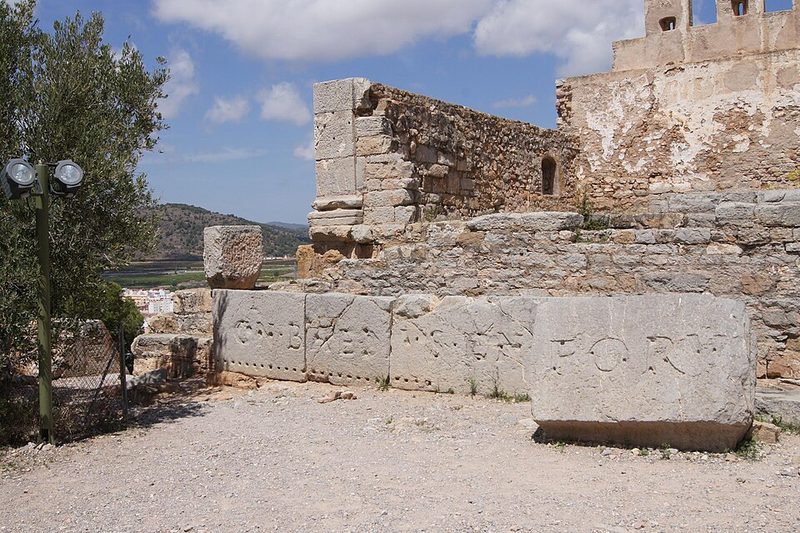
The Saguntum Forum is the surviving Roman civic centre of ancient Saguntum, the settlement that preceded the modern city. As physical archaeology rather than reconstruction, it offers direct evidence of the town's importance within the Roman provincial network. The forum would have served as the administrative, commercial and religious heart of the Roman town, and surviving structural elements — columns, paving, foundations — remain visible on site.
The forum is one of several Roman heritage points in Sagunto, alongside the theatre on the castle hill. Together they make the town a meaningful destination for visitors with a specific interest in Roman Spain, particularly given the additional Punic War context provided by the castle site above.
The Museo Arqueológico de Sagunto, administered by the Generalitat Valenciana, holds collections relating to the forum and wider Roman and pre-Roman occupation of the area. Visiting the museum alongside the forum site provides useful interpretive context. Current access details for the forum should be confirmed through local sources on arrival.
Sources: Sagunto - Wikipedia • Museo Arqueologico de Sagunto - Generalitat Valenciana
Nearby villages and day trips
Nearby Villages and Day Trips from Sagunto
Sagunto's position on the Valencia–Castellón rail corridor and the ATMV regional bus network makes the surrounding Camp de Morvedre region straightforwardly accessible without a car.
Port de Sagunt (approx. 5 km): The coastal settlement developed around a major steelworks in the early twentieth century; the works closed controversially in the 1980s. The area now has its own urban character, beaches and waterfront access. The Línea 102 CIVIS urban bus links it directly to Sagunto town.
Grao de Murviedro (approx. 5 km): A smaller coastal settlement with beach access, reachable as a short trip from the town.
Faura and Quart de les Valls: Small agricultural villages in the immediate Camp de Morvedre hinterland, served by the ATMV regional network.
Valencia: Forty minutes south by Cercanías C-6, Valencia city is the obvious larger excursion — museums, the City of Arts and Sciences, the old town and the port. Spain.info lists Sagunto as a recommended day trip from Valencia, which equally means the relationship works in reverse.
Castellón de la Plana: Accessible northward on the same C-6 rail line, offering a larger city centre, beach and further heritage options.
Tripadvisor's day trips section for Sagunto lists further organised excursion options, though specific tour availability changes seasonally and should be confirmed before travel.