

What San Jose is known for
San Jose is the largest city in the San Francisco Bay Area and the economic anchor of what the world calls Silicon Valley. With nearly a million residents, it sprawls across the Santa Clara Valley floor at just 23 metres above sea level, surrounded by gentle hills that once supported farms and orchards. The city grew outward in waves that correspond to booms in defence contracting, semiconductor manufacturing, and venture capital, and the result is a horizontal landscape of office parks, industrial zones, and residential districts that reflect different eras of growth.
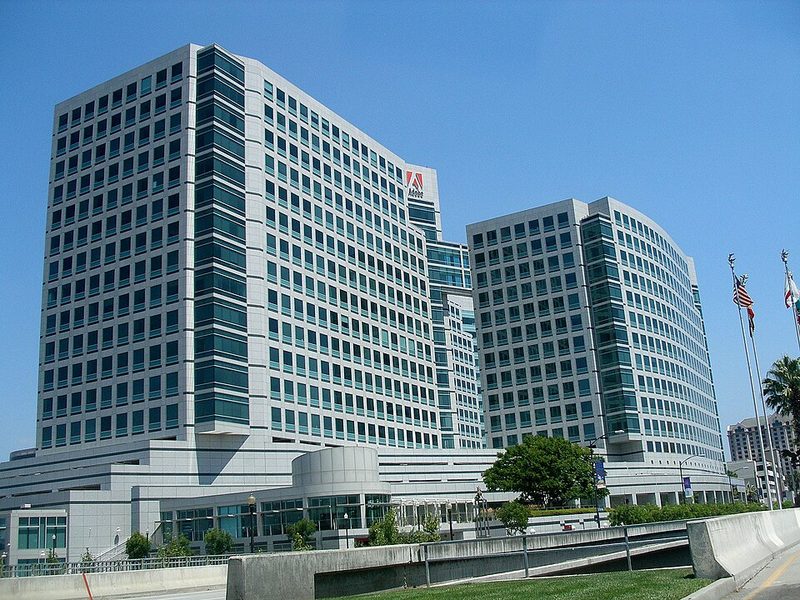
What surprises visitors accustomed to stereotypes of Silicon Valley is how grounded San Jose remains in physical industry. A December 2024 study by ABM ranked San Jose as the number one U.S. city for the highest concentration of manufacturing jobs in its workforce. Applied Materials, a semiconductor and artificial intelligence company, employs thousands here. Johnson & Johnson maintains a significant presence. These are not the startups that dominate media coverage; they are established, large-scale manufacturers and technology firms that provide the backbone of local employment.
The City's Character
San Jose sprawls. Unlike the compact urban cores of San Francisco or Oakland, this is a city built for the car, with wide streets, large commercial blocks, and a sense of space that contrasts sharply with the density of older Bay Area cities. The weather is mild and consistent year-round, with clear skies and warm, dry summers—a stability that has been part of the region's appeal to manufacturers and technology companies for decades.
The physical traces of Spanish and Mexican settlement that preceded American annexation have largely been built over, though they persist in street names and some of the city's cultural identity. The modern shape of San Jose took form after the Second World War, when the postwar defence boom transformed the Santa Clara Valley into an industrial centre. High-technology industries drove nearly uninterrupted economic growth from the 1950s through the early 1980s. When a recession hit in 1985, the city and local businesses diversified away from defence contracts. By the mid-1990s, Internet-based companies and new business models began to reshape the local economy, and by 2000, San Jose had become the symbolic capital of the dot-com boom—and later, a survivor of the bust.
What to See and Do
The Winchester Mystery House stands as San Jose's most distinctive visitor attraction. This 160-room Victorian mansion was under continuous construction between 1884 and 1922 by Sarah Winchester, widow of firearms magnate William Wirt Winchester. The house is filled with unusual architectural features—stairs that lead nowhere, doors that open onto walls, and a layout designed, according to legend, to confuse malevolent spirits. It is widely regarded as a must-see for anyone visiting the San Jose area.
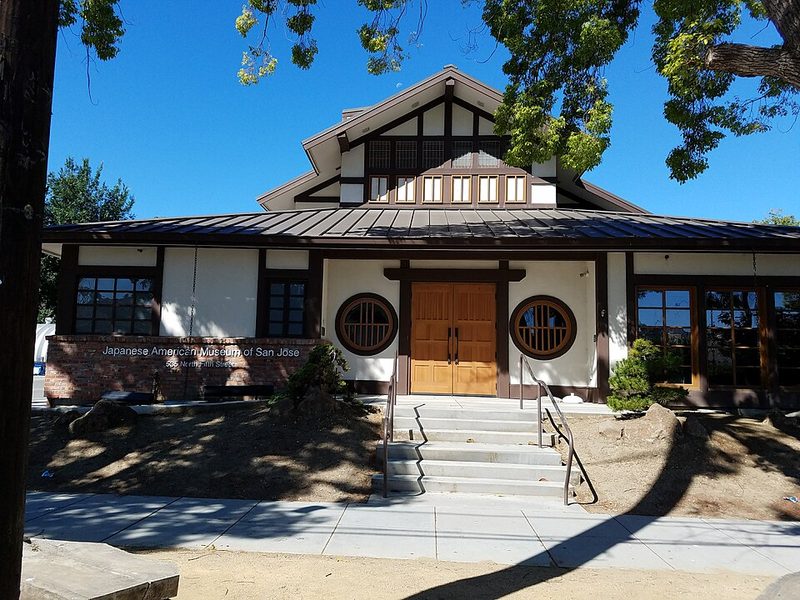
San Jose's Japantown, locally known as J Town, is one of the last three remaining historic Japantowns in the United States. Established more than a century ago by Japanese immigrants, it offers a mix of traditional shops, art galleries, museums, and authentic Japanese eateries. The area hosts local festivals throughout the year and maintains a traditional approach to crafts, including the Shuei-do Manju Shop, which continues to make manju using traditional methods.
The Rosicrucian Egyptian Museum appears frequently in local recommendations. Other institutions mentioned in visitor forums include the Tech Interactive, the San Jose Museum of Art, and the Computer History Museum (located in nearby Mountain View). San Jose State University, founded in 1857 as California's first normal school, anchors an educational and cultural presence in the city centre.
Neighbourhoods and Orientation
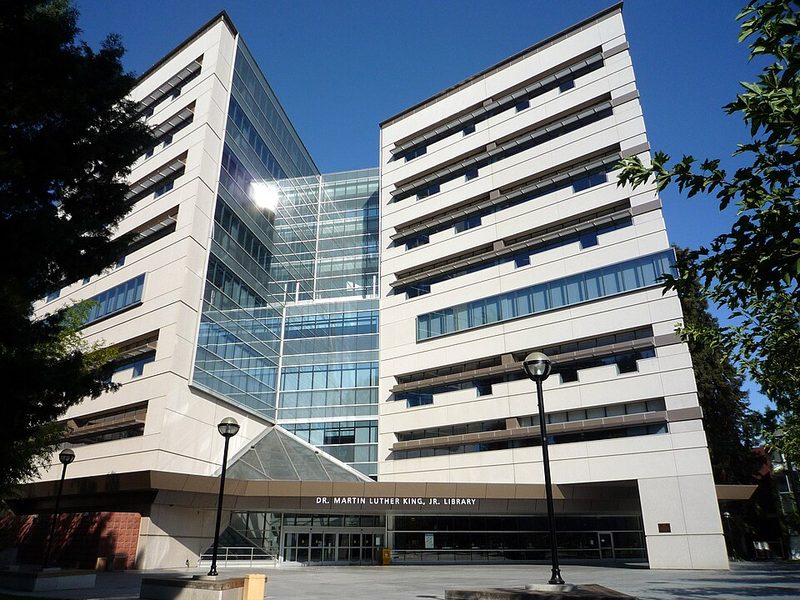
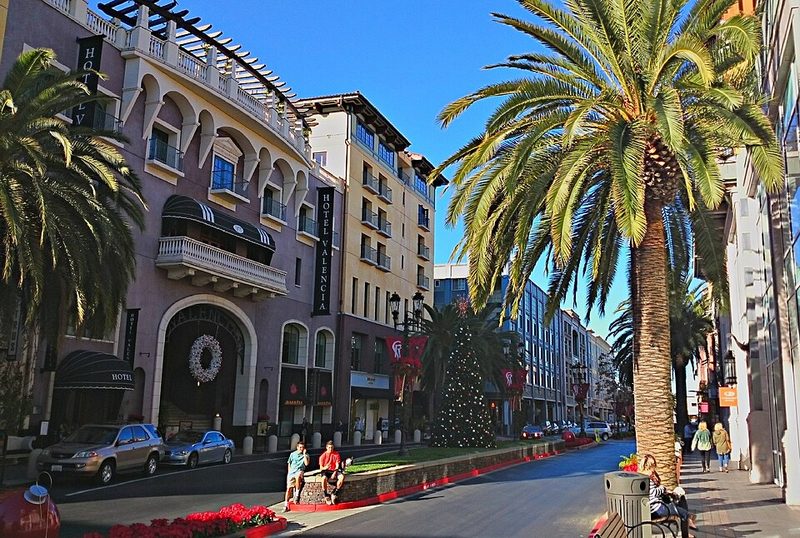
Downtown San Jose clusters around San Jose State University and contains much of the city's public cultural infrastructure. Japantown sits adjacent to downtown and offers a walkable district with a distinct character. Willow Glen, Campbell, and Santana Row are mentioned frequently as neighbourhoods worth visiting. Santana Row in particular is noted as an upscale shopping and dining area. The automotive orientation of most districts means that walking is not always practical outside these central areas.
Day Trips and Surroundings
San Jose's position at the southern end of the Bay Area makes it a practical base for exploring the surrounding region. Santa Cruz and the Pacific coast lie less than an hour to the west over the Santa Cruz Mountains. The Santa Cruz Mountains wine region, which Wine Spectator has called "the most underappreciated appellation in the world," spans more than 850 square miles and includes numerous small wineries. Morgan Hill, to the south, offers vineyard tours and views of the mountains.
To the north, the rest of the Bay Area is accessible by road and rail. San Francisco sits approximately 80 kilometres away. The redwood forests of the Santa Cruz Mountains are close enough for day hikes.
Getting There and Around
Norman Y. Mineta San Jose International Airport (SJC) sits within the city, roughly 3 kilometres from downtown. Bay Area Rapid Transit (BART) provides regional rail service, linking San Jose to San Francisco, Oakland, and other Bay Area destinations. Caltrain operates commuter rail along the Peninsula. The Valley Transportation Authority (VTA) runs local bus and light rail services across Santa Clara County.
Highway 101, Interstate 880, and Interstate 280 pass through or near San Jose, connecting it to the wider region. For visitors planning to explore beyond the immediate downtown area, a rental car is often practical. Public transit exists but is less comprehensive than in San Francisco or Oakland.
Practical Notes
San Jose operates on Pacific Time. The climate is mild year-round, which simplifies travel planning—summers are warm and dry, winters are cool and occasionally wet, but snow is not a consideration. Accommodation options cluster near the airport, downtown, and along the major highways. Visitors staying in Japantown benefit from proximity to downtown attractions and the airport.
For current travel conditions, consult official UK or US government travel guidance for the United States. Standard precautions apply across the country, with no special restrictions for San Jose or the wider Bay Area.