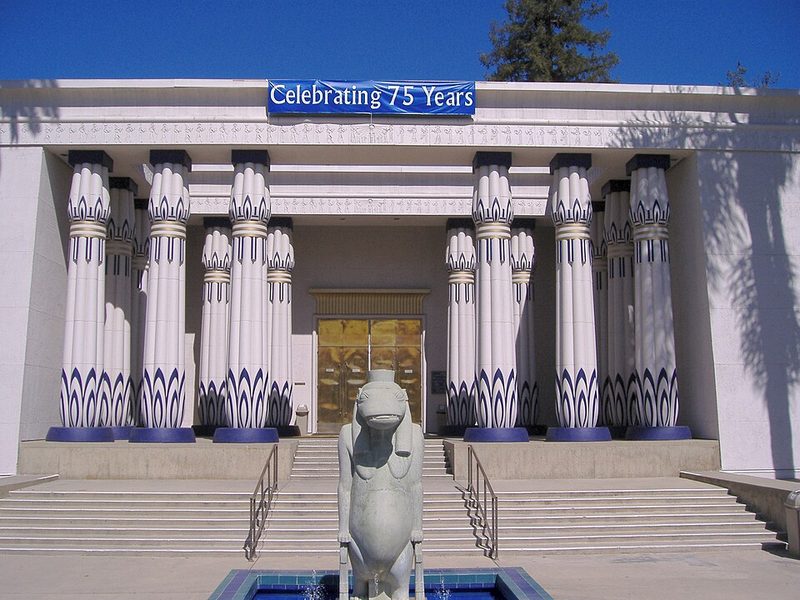
The Rosicrucian Egyptian Museum at 1660 Park Avenue houses the largest collection of ancient Egyptian artifacts on display in western North America. Located within Rosicrucian Park alongside the headquarters of the Ancient Mystical Order Rosae Crucis (AMORC), a planetarium, a research library, and an Egyptian-themed Peace Garden, the museum offers visitors an unexpected encounter with ancient Egypt in the heart of Silicon Valley.
Origins and Collection
The museum began with a single artifact: a Sekhmet (lion goddess) statue that stood on the desk of H. Spencer Lewis, founder of the Rosicrucian Order, AMORC. Lewis was a collector of artifacts with mystical symbolism, many from the East. In 1928, he opened "The Rosicrucian Egyptian Oriental Museum" to the public at AMORC's administration buildings in San Jose. The location was chosen partly due to affordable land prices at the time.
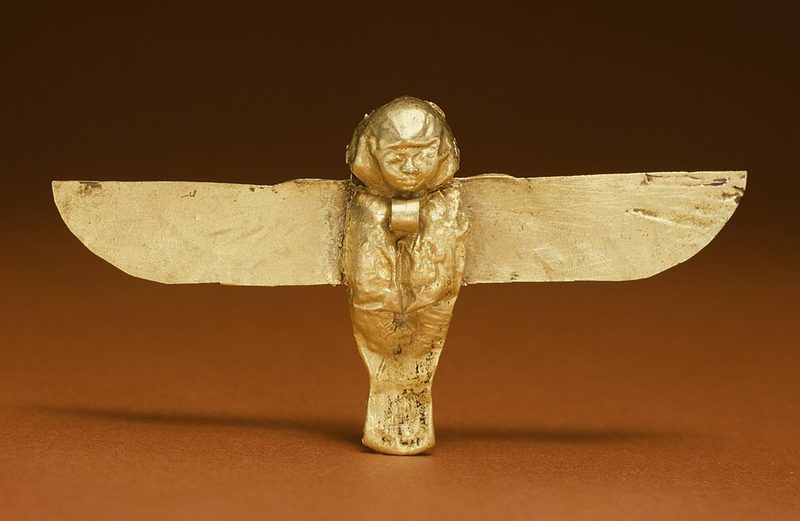
After Lewis toured Egypt in 1929, AMORC received many more artifacts and donations. The collection grew significantly, eventually expanding to more than 2,000 exhibits and later to approximately 4,000 artifacts. Today the museum holds the largest collection of ancient Egyptian antiquities in the Western United States.
What the Museum Contains
The Rosicrucian Egyptian Museum functions as a teaching museum, designed to provide educational context about Egyptian civilization alongside the artifacts themselves. The collection spans various periods of ancient Egyptian history and includes everyday objects, religious items, funerary artifacts, and monumental pieces.
While specific artifact details would require current museum documentation, the scale of the collection—4,000 pieces representing the largest Western U.S. assemblage of Egyptian antiquities—indicates comprehensive coverage of Egyptian material culture. The museum's educational mission means exhibits are arranged to tell stories about ancient Egyptian daily life, religious beliefs, and historical development rather than simply displaying objects.
Rosicrucian Park
The museum sits within Rosicrucian Park, which also contains AMORC's headquarters and Grand Temple. The park includes a planetarium—the fifth built in the United States and the first to use a star projector constructed by H. Spencer Lewis. A research library provides resources for scholarly study, while the Egyptian-themed Peace Garden offers outdoor space designed with Egyptian architectural motifs.
The park's Egyptian architectural styling extends to the museum building itself, creating an immersive environment that reflects the ancient civilization the collection represents. This thematic coherence distinguishes the Rosicrucian Egyptian Museum from conventional museum settings.
Visiting Information
The Rosicrucian Egyptian Museum currently operates on a limited schedule: Fridays from 10:00 AM to 5:00 PM, and Saturdays and Sundays from 11:00 AM to 6:00 PM. The museum is closed Monday through Thursday. Visitors should verify current hours before planning a visit, as schedules may change seasonally or for special events.
The museum's location at 1660 Park Avenue places it away from downtown San Jose in a quieter residential area, requiring dedicated travel rather than casual walk-by visits. This separation from the city's commercial centres contributes to the contemplative atmosphere appropriate for viewing ancient artifacts.
Context for Visitors
The Rosicrucian Egyptian Museum provides San Jose with a cultural institution that contrasts sharply with the region's technology focus. For visitors interested in ancient history or Egyptology, the museum offers the most comprehensive collection of Egyptian artifacts on the West Coast outside major metropolitan museums.
The museum's connection to the Rosicrucian Order adds an additional layer of interest. While AMORC is a mystical organisation, the Egyptian Museum operates primarily as an educational institution focused on ancient Egyptian civilization rather than Rosicrucian philosophy. This separation allows visitors to engage with the artifacts on their own terms, whether from historical, archaeological, or cultural perspectives.
Sources: Rosicrucian Egyptian Museum Official Site • Rosicrucian Park • Rosicrucian Egyptian Museum - Wikipedia