In This Guide
Read the guide as a story
The Jongno Bell and the City It Still Wakes
Seoul
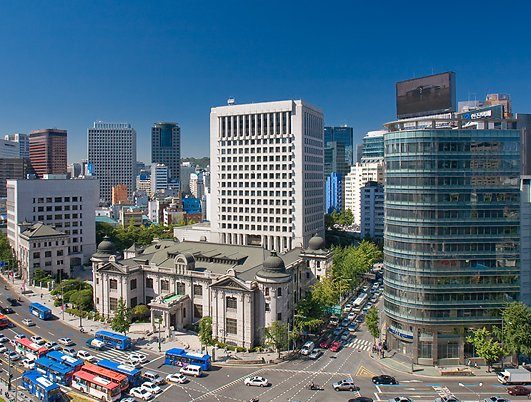
Seoul is a city of around 9.6 million people within the city boundary, and more than 26 million in the wider metropolitan area — one of the largest urban concentrations on earth. It is also a city that handles its scale better than most. The subway is extensive and well-signed in English, the historic centre is walkable between palace courtyards and street-food lanes, and the granite mountains that ring the basin are visible on clear days from almost anywhere in the centre. First-time visitors often arrive expecting relentless density and leave surprised by how much green space, water and quiet the city contains alongside the pace.
First Impressions and Setting
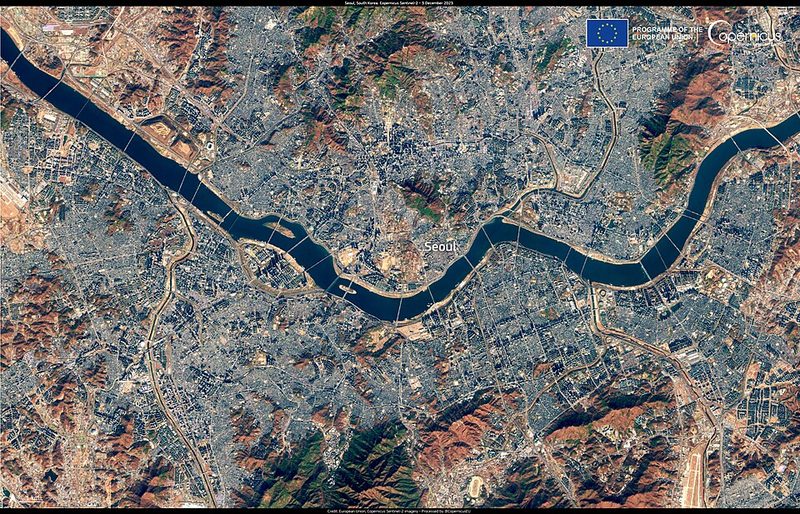
Seoul sits at around 38 metres above sea level in a broad river basin ringed by granite mountains. The Han River cuts through from east to west, wide and steady, and the wooded ridgelines behind Bukchon and Gyeongbokgung Palace make a backdrop that catches many visitors off guard. The urban density is real, but the city is also deliberately green: river parks run along both banks of the Han, hillside trails thread through residential districts, and the palace courtyards offer genuine relief from the streets.
The district character shifts noticeably as you move around the centre. The lanes of Bukchon Hanok Village reward slow walking and direct attention to what an older Seoul looked like. The streets around Euljiro hum with small workshops, restaurants and the mixed commercial energy that characterises the old central trading district. Myeong-dong and Sogong-dong, close to the historic core, illustrate how commercial energy and older neighbourhood identity sit alongside each other in the same few blocks. The Han River parks bring a different, more expansive quality: open sky, cycling paths and room to breathe that the denser central streets rarely offer.
History and Identity
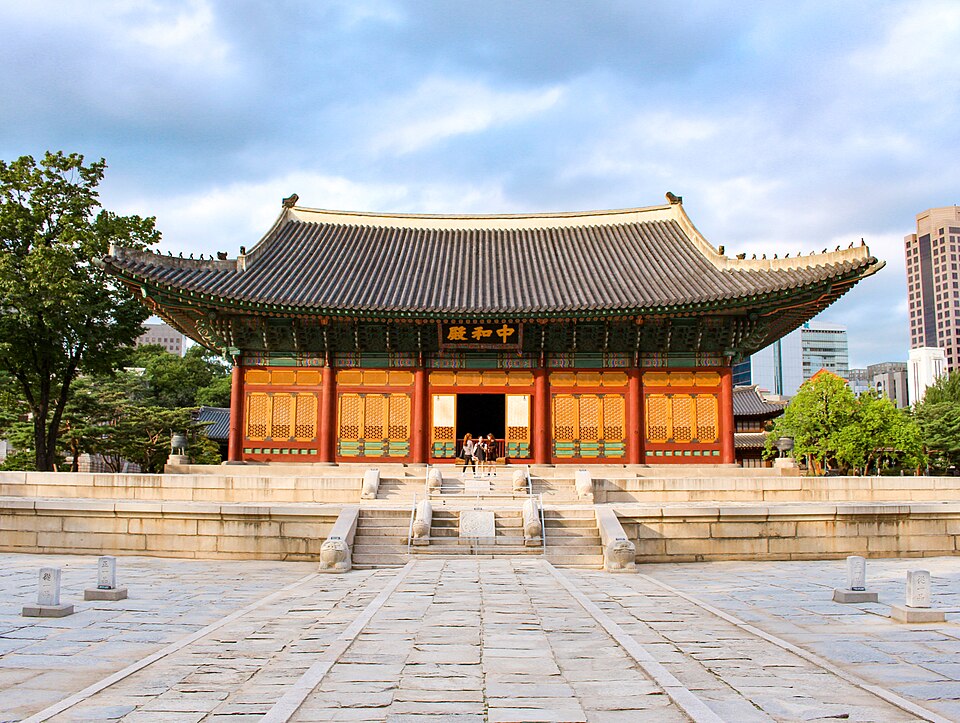
Seoul has been the seat of Korean political power since 1394, when the Joseon dynasty established it as their capital. That continuity is visible in the surviving palace complexes that anchor the old city: Gyeongbokgung and Deoksugung both stand within easy reach of the centre, and the tile-roofed lanes of Bukchon Hanok Village preserve a recognisable urban grain from a much earlier period. The city was devastated during the Korean War and rebuilt with extraordinary speed — a transformation that shaped the culture of reinvention that still drives daily life. Seoul's historic names in Korean reflect different political eras: Hanyang (한양) and Hanseong (한성) under the Joseon dynasty, Gyeongseong (경성) during the Japanese colonial period, and Seoul Special City (서울특별시) in its current form.
The National Museum of Korea and the National Palace Museum both sit within the city and offer well-curated routes into that layered history. Seoul's five grand Joseon-era palaces — Gyeongbokgung, Changdeokgung, Changgyeonggung, Deoksugung and Gyeonghuigung — each have distinct character and are separately administered. The Cultural Heritage Administration oversees the royal palace and tomb sites; current visiting information should be confirmed through official palace or Visit Korea channels before travel.
Economy and Daily Life
Seoul is the seat of South Korea's national government and the engine of its economy. The city and its surrounding metropolitan region ranked as the world's sixth largest metropolitan economy in 2022, behind New York, Tokyo, Los Angeles, Paris and London. That weight is felt at street level in the pace of daily life: transport is heavily used, the food culture runs from pojangmacha street stalls to covered markets to neighbourhood restaurants that take their ingredients seriously at every price point, and the general expectation is that things will work efficiently and quickly.
Palaces and Historic Sites
The Joseon palace complexes are among the most substantial historic sites in East Asia that remain accessible in a major city centre. Gyeongbokgung, the largest and most visited, anchors the northern part of the old royal district; the Gwanghwamun gate and the broad plaza in front of it form one of the most recognisable open spaces in the city. The Palace Royal Guard Changing Ceremony takes place at Gwanghwamun and at Deoksugung; current schedules should be checked directly with the relevant palace administration. Bukchon Hanok Village, which sits between Gyeongbokgung and Changdeokgung, preserves several hundred traditional Korean houses in a historic hillside setting and is one of the most photographed urban districts in the country.
The Han River Parks
The Hangang River Parks system runs along both banks of the Han River and is used by residents throughout the warmer months for cycling, picnicking and informal recreation. The Seoul Metropolitan Government maintains a network of riverside parks, including dedicated cycling paths. The city also operates a public bike scheme (Ttareungyi / 따릉이) with hire stations at multiple points around the city and along the river. Boat trips on the Han operate from river piers; visitors should confirm current schedules and operators directly, as services vary by season. The river connects several distinct riverside districts, each with a different character.
Traditional Markets
Seoul's traditional markets form a distinct layer of the city's commercial and social life. Gwangjang Market, Namdaemun Market and Noryangjin Fish Market are among the most visited, and South Korea has a national programme to develop major traditional markets for international visitors. Market character varies considerably: some are primarily food-focused, others are textile or goods markets, and opening patterns differ by site. Visitors should verify current access and operating conditions locally rather than relying on fixed schedules.
Getting There and Around
Seoul is served internationally by Incheon International Airport, connected to central Seoul by the AREX express rail service and by airport limousine bus routes to multiple city destinations including Gwanghwamun. Gimpo Airport, closer to the city, handles domestic routes and some regional international connections.
Within the city, the Seoul Metropolitan Subway is the primary way to navigate. The network is colour-coded by line, extensively signed in English and Korean, and covers central districts and many outer neighbourhoods. A T-money or Cashbee rechargeable card covers subway and bus travel across Seoul, Gyeonggi Province and Incheon under the Metropolitan Integrated Fare System. Transfers between subway lines are free; transfers between bus and subway are also free for T-money card holders. Naver Map and Kakao Map both provide English-language route planning across the combined network.
For visitors exploring the historic centre, four stations form a practical cluster: Gwanghwamun opens onto the plaza in front of Gyeongbokgung Palace; Jonggak sits beneath Jongno, one of Seoul's oldest commercial streets; Sicheong (City Hall) is close to Deoksugung and the central government district; and Euljiroipgu sits at the edge of the Euljiro workshop-and-restaurant district. Between them, these four stations provide walking access to palaces, government buildings, markets and riverfront without needing to transfer.
The Seoul bus network covers areas the subway does not reach; routes are classified into five types by the Seoul Metropolitan Government and can be complex for first-time visitors. The Seoul TOPIS (Transport Operation and Information Service) and the Seoul Metropolitan Government website both provide English-language route maps and planning tools. For intercity travel, KTX high-speed trains depart from Seoul Station and Yongsan Station for Busan, Daegu, Daejeon and other major cities. Express bus services from the Central City Express Bus Terminal (served by Lines 3, 7 and 9) and other Seoul terminals reach destinations including Busan, Daegu, Daejeon, Gangneung, Jeonju and Cheongju, among others.
When to Visit
Spring and autumn are the most straightforward seasons. Summer in Seoul is hot and humid, and the monsoon period (roughly June to August) brings sustained rainfall that affects outdoor plans. Winter is cold, and snow and ice can affect walking conditions and transport reliability, though the city remains fully functional. Crowd pressure is seasonally significant: peak periods — spring blossom season, summer school holidays and autumn foliage — bring noticeably higher visitor numbers at the major palaces and river parks. Off-season visits are quieter, particularly at indoor sites, but the contrast with peak periods at outdoor attractions is worth factoring into plans.
Practical Notes
The UK Foreign, Commonwealth and Development Office rates South Korea at normal precautions — its lowest advisory level — with no specific security warnings or travel restrictions in place. Entry requirements, visa conditions and any current travel advisories should be confirmed through official South Korean government channels or your own government's travel advice pages before departure. Seoul operates on Korea Standard Time (KST), UTC+9, with no daylight saving adjustment. Visitors using the subway are advised to use a T-money or Cashbee card rather than single-journey tickets; the TMoney Mpass card is a transit-specific option designed for international visitors requiring frequent daily travel.
Audience Fit
Seoul works particularly well for visitors travelling without a car: the subway and bus network is comprehensive, English-language signing is good, and the major historic, cultural and river sites are all reachable by public transport. Families with children will find the river parks, palace grounds and indoor museums practical choices across different weather and energy levels. Visitors who want to eat well at a range of budgets, walk between distinct neighbourhoods, and use cultural institutions seriously will find the city well-suited to those aims. The place is less immediately suited to visitors mainly seeking a compact historic old town or a low-density, countryside-style break.
Gyeongbokgung and Seoul's Joseon Palaces
Five Joseon-era grand palaces survive in Seoul: Gyeongbokgung, Changdeokgung, Changgyeonggung, Deoksugung and Gyeonghuigung. Gyeongbokgung, the largest, was built in 1395 and anchors the northern historic centre behind the Gwanghwamun gate and plaza. Changdeokgung is a UNESCO World Heritage Site known for its rear garden. The Palace Royal Guard Changing Ceremony is staged at both Gwanghwamun and Deoksugung; current schedules should be confirmed through official palace or Visit Korea channels. All five palaces are reachable by subway from the central station cluster.
Read the full Gyeongbokgung and Seoul's Joseon Palaces guide
Sources: Gyeongbokgung Palace - VISITKOREA • Gyeongbokgung Palace Guide 2025 - Visit Seoul • Palace Royal Guard Changing Ceremony - VISITKOREA • Royal Palaces and Tombs Center - Cultural Heritage Administration • Special Tips to Enjoy the Five Royal Palaces - VISITKOREA
Hangang River Parks and Cycling
The Hangang River Parks system runs along both banks of the Han River and is maintained by the Seoul Metropolitan Government. The parks are used for cycling, picnicking and outdoor recreation, particularly in warmer months, and are connected by flat riverside cycling paths. The city's Ttareungyi public bike scheme operates hire stations at riverside locations. Boat trips on the Han operate seasonally; current operators and schedules should be confirmed directly. The parks are accessible by subway from multiple central stations.
Sources: Hangang Parks - Seoul Metropolitan Government • Enjoy Bike Rides and Romantic Moments along the Hangang River - Seoul Metropolitan Governm • Attractive Seoul Bike Tour Routes - Seoul Metropolitan Government • Seoul Summer 2026 - The Complete Han River Parks Activity Guide - Visit Seoul
Bukchon Hanok Village and the Historic Core
Bukchon Hanok Village sits between Gyeongbokgung and Changdeokgung palaces on a hillside in Seoul's historic centre. Several hundred traditional hanok houses survive in a layout reflecting the aristocratic residential quarters of Joseon-era Seoul. The area is both a heritage district and a working residential neighbourhood; visitors are asked to keep noise low, particularly in the mornings. The nearest subway stations are Anguk and Gyeongbokgung on Line 3. The broader historic core — Jongno, Insadong, the Cheonggyecheon stream — extends south and east and connects the neighbourhood to the main palace and market areas.
Read the full Bukchon Hanok Village and the Historic Core guide
Sources: Bukchon Hanok Village - Wikipedia • Bukchon Hanok Village - VISITKOREA
Traditional Markets in Seoul
Seoul's traditional markets include some of the oldest continuously operating trading spaces in South Korea. Gwangjang Market (near Jongno 5-ga, Line 1) is known for its food hall serving traditional Korean street foods. Namdaemun Market near Hoehyeon station is one of the country's largest traditional markets, covering clothing, food and general goods. Noryangjin Fish Market at Noryangjin station (Lines 1 and 9) is the main wholesale fish market for the metropolitan area. South Korea has a national programme to develop eleven major traditional markets for international visitors. Operating hours vary by market and should be confirmed locally.
Sources: Korea to prep 11 must-see traditional markets for global spotlight - The Korea Times • Top Seoul Attractions: Complete Visitor Guide - Korea Web Magazine • 7 Best Traditional Markets in Seoul - Museum of Wander
Seoul Neighbourhoods: Where to Stay and Explore
Seoul Neighbourhoods: Where to Stay and Explore
Seoul's size means that neighbourhood choice matters more than in a compact city. The character of the streets, the local food scene, the distance to attractions and the transport options all shift noticeably between districts. The subway connects most of them effectively, but it is worth understanding which areas suit which priorities before booking.
The Historic Centre: Jongno and Gwanghwamun
Staying close to Jongno, Gwanghwamun or Insadong puts visitors within walking distance of the palace complexes, Bukchon Hanok Village and the main historic sites. Jonggak and Gwanghwamun stations on Lines 1 and 5 provide direct access across the central district. The trade-off is that this area is primarily a daytime destination — palace visits, historic streets and museums — rather than a residential neighbourhood with a strong evening food and social scene.
Myeong-dong and the Central Commercial District
Myeong-dong, in the central commercial district south of the historic core, is one of Seoul's highest-density visitor areas. Accommodation here is close to shopping streets, the street food stalls that run through the pedestrian lanes in the evening, and Sogong-dong. It is also close to Namdaemun Market. The area is well-connected by subway (Myeong-dong station on Line 4) but can feel heavily tourist-orientated compared to residential districts.
Euljiro and the Workshops District
The streets around Euljiro, accessible from Euljiroipgu (Lines 2 and 3) and Euljiro 3-ga (Lines 2 and 3), have seen significant interest in recent years from visitors drawn by the mix of traditional small workshops, print shops and metalwork businesses alongside a growing restaurant and bar scene. The area reflects an older commercial Seoul that coexists with newer arrivals in a way that feels less managed than some other districts.
Hongdae and Mapo
Hongdae, near Hongik University station (Lines 2, Airport Line and Gyeongui-Jungang Line), is associated with independent music, street art, younger residential culture and a dense food and nightlife scene. It has become considerably more visited in recent years, but retains a neighbourhood character distinct from the central commercial areas.
Itaewon and Yongsan
Itaewon, accessible from Itaewon station on Line 6, has historically been the most internationally diverse district in Seoul, with a wide range of food options reflecting different cuisines and a long-established visitor infrastructure. The National Museum of Korea sits in the adjacent Yongsan district, a short walk from Ichon station (Lines 1 and 4).
Neighbourhood character shifts across seasons and years; specific business recommendations should be confirmed through current local sources rather than fixed guide information. The Visit Seoul and Seoul Metropolitan Government platforms both publish current area guides.
Sources: Transportation - The Official Travel Guide to Seoul • Official Website of the Seoul Metropolitan Government • Seoul Neighborhoods Guide 2025: Where to Stay by a Local Expert