Gyeongbokgung and Seoul's Joseon Palaces
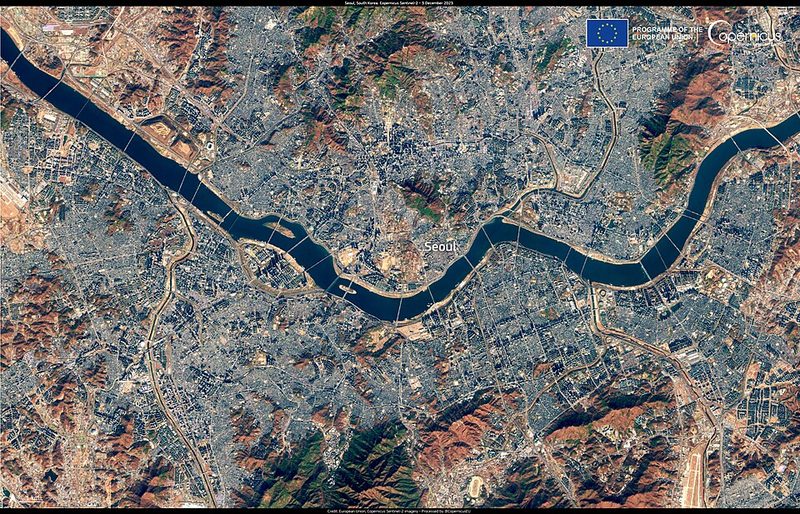
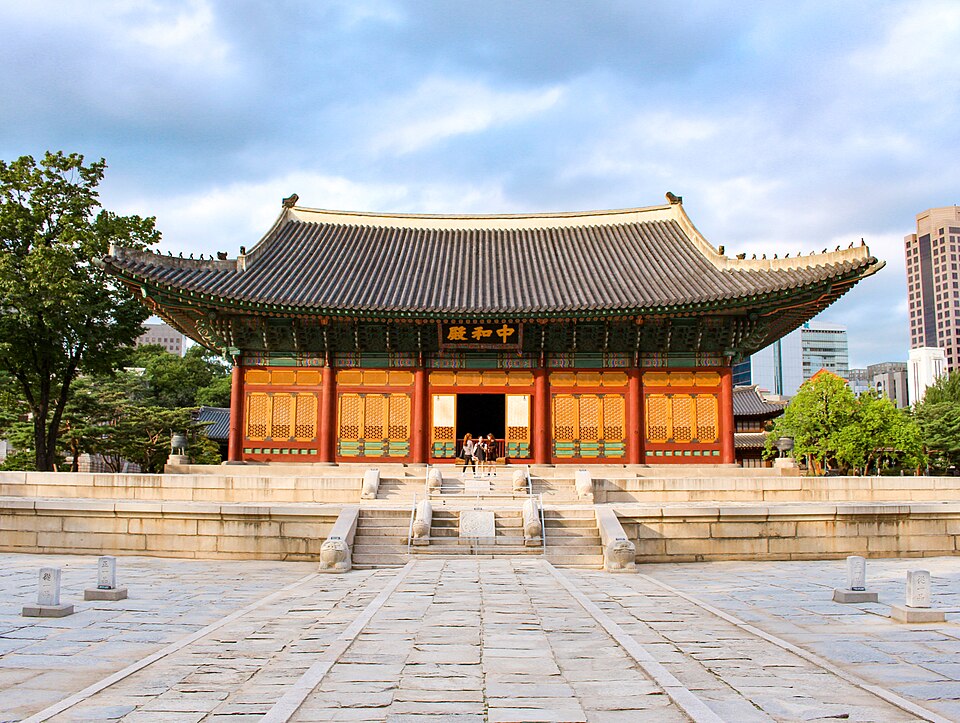
The Joseon dynasty established Seoul as their capital in 1394, and the palace complexes they built remain among the most substantial historic sites in any major Asian city. Five grand palaces survive: Gyeongbokgung, Changdeokgung, Changgyeonggung, Deoksugung and Gyeonghuigung. Each has a distinct history, setting and visitor character, and together they provide the clearest physical record of the 500-year dynasty that shaped modern Korean identity.
Gyeongbokgung
Gyeongbokgung is the largest and most visited of the five. Built in 1395, a year after the dynasty established Seoul as its capital, it served as the primary royal palace for most of the Joseon period. The palace was destroyed during the Japanese invasions of the 1590s and lay in ruins for nearly 300 years before being reconstructed in the 1860s under the regent Heungseon Daewongun. A second period of damage came during the Japanese colonial period, when many buildings were demolished or relocated. Restoration work has continued across the twentieth and twenty-first centuries.
The palace is entered through Gwanghwamun gate, one of Seoul's most recognisable landmarks, which opens onto a broad plaza that connects the palace precinct to the commercial and government districts of central Seoul. The Gyeongbokgung station on Line 3 and Gwanghwamun station on Line 5 both provide straightforward access. The National Palace Museum of Korea and the National Folk Museum of Korea both sit within the palace grounds.
The Palace Royal Guard Changing Ceremony is staged at Gwanghwamun. Current performance schedules should be confirmed through the Visit Korea or official palace administration channels before travel, as seasonal and operational factors affect the programme.
The Other Four Palaces
Changdeokgung, designated a UNESCO World Heritage Site, is considered architecturally the most refined of the five. Its rear garden, the Huwon (Secret Garden), is a separately ticketed area of wooded landscape and pavilions that operated as private royal grounds for centuries. Changgyeonggung, which adjoins Changdeokgung, was also built in the Joseon period and is known for its spring blossom season.
Deoksugung sits in a more urban setting in the central government district and is closely associated with the late Joseon and Korean Empire periods; it remained in royal use until the early twentieth century. The Palace Royal Guard Changing Ceremony also takes place at Daehanmun gate here. Gyeonghuigung, the westernmost of the five, is less visited and has been partially restored after significant destruction during the colonial period.
The Cultural Heritage Administration (Royal Palaces and Tombs Center) administers the palace sites and publishes official visitor guidance. Current admission arrangements, entry routes and ceremony schedules should be confirmed through official channels — the Visit Korea and Visit Seoul platforms both carry updated palace information.
Visiting Practicalities
Visitors choosing to wear hanbok (traditional Korean dress) are admitted to all five royal palaces without an entry fee under a long-standing programme; the current terms of this policy should be verified directly. Spring and autumn are the busiest seasons at the palace sites, with weekend crowds at Gyeongbokgung particularly heavy during blossom and foliage periods. Weekday morning visits tend to be quieter. The palaces are reachable by subway from the central cluster of stations (Gwanghwamun, Anguk on Line 3 for Changdeokgung, Sicheong on Lines 1 and 2 for Deoksugung).
Sources: Gyeongbokgung Palace - VISITKOREA • Gyeongbokgung Palace Guide 2025 - Visit Seoul • Palace Royal Guard Changing Ceremony - VISITKOREA • Royal Palaces and Tombs Center - Cultural Heritage Administration • Special Tips to Enjoy the Five Royal Palaces - VISITKOREA