

What Sydney is known for
Travel Advisory
Australia is under Level 1 travel advisory status (Exercise Normal Precautions) from both US and UK authorities. No specific restrictions apply to Sydney or New South Wales. Visitors should note seasonal bushfire risk during Australian spring and summer (October to February) in surrounding bushland areas. Check current official travel advisories before departure, particularly regarding any transit countries.
Arrival and Setting
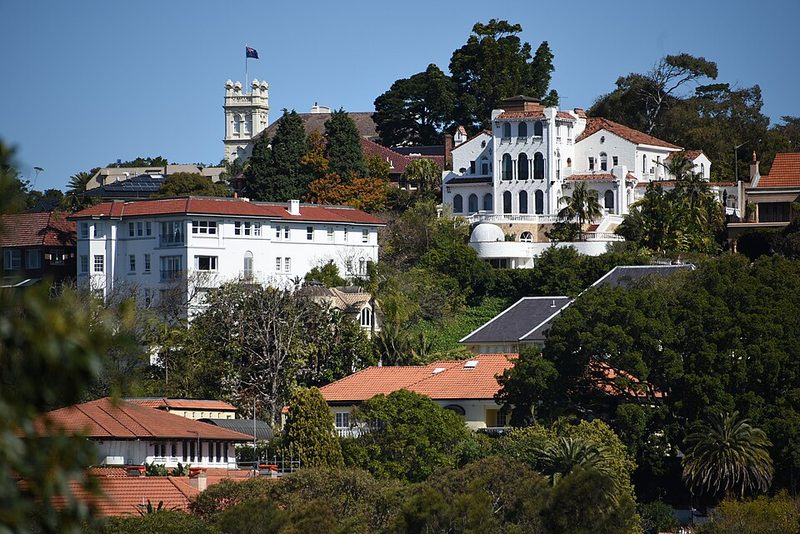
Sydney sprawls across a spectacular harbour where the Pacific Ocean pushes deep inland, creating a landscape of sandstone cliffs, sandy coves and busy waterways. From the air or surrounding hills, the city extends roughly 80 kilometres east to west and another 80 kilometres north to south—a patchwork of 658 suburbs across 33 local government areas. The harbour defines the city's character: maritime, water-focused, spreading outward rather than upward from a natural amphitheatre at sea level.
The terrain sits just 58 metres above sea level and rolls gently inland, becoming more hilly towards the west where the Blue Mountains rise in the distance. On arrival, visitors encounter the light—a particular quality to the Australian east coast sun and the clarity of harbour water—and the sense of space that comes from a sprawling, water-bound metropolis of approximately 5.6 million people.
The Harbour and Landmarks
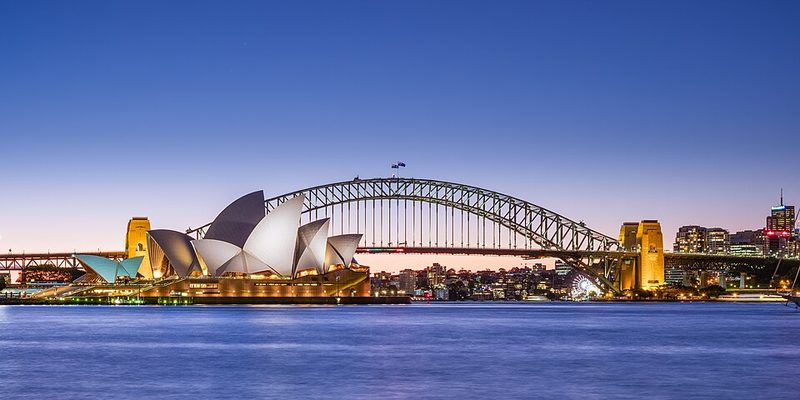
Sydney Harbour dominates the visual and practical landscape. The Sydney Opera House, set on Bennelong Point between Sydney Cove and Farm Cove, hosts over 1,800 performances annually attended by more than 1.4 million people. The building receives over ten million visitors annually, with approximately 350,000 taking guided tours each year. The Sydney Harbour Bridge and Opera House together define the city's skyline and function as both landmarks and working infrastructure.
The Royal Botanic Garden Sydney occupies 29 hectares of cultivated land plus 51 hectares of parkland comprising The Domain, wrapped around Farm Cove adjacent to the Opera House. Established as Australia's oldest botanic garden, it receives approximately 3 million visitors annually and sits within the city's cultural district near art galleries, museums and performing arts venues.
Beaches and Coastal Areas
The city's eastern suburbs front the Pacific Ocean with a series of beaches. Bondi Beach, the most internationally recognised, anchors the southern end of a coastal walking track. The Bondi to Coogee walk passes through Tamarama, Bronte, Clovelly and Coogee beaches. The walk hosts the free public Sculpture by the Sea exhibition each October. On the northern side of the harbour, Manly Beach can be reached by ferry and offers coastal walks including the Manly to North Head route and the longer Manly to Spit Bridge track.
History and Growth
Sydney began as a British convict settlement in 1788, functioning for its first half-century as a penal town where transported convicts and soldiers built basic European infrastructure. The region had Indigenous inhabitants long before European arrival, though detailed records in this context are limited. The settlement grew from convict depot into colonial city between 1841 and 1900, absorbing waves of immigration and economic change.
By 1901, Sydney had become capital of New South Wales, a role it continues. The 2000 Olympic Games gave the city international visibility as a global event capital. Today Greater Sydney encompasses 658 suburbs divided into recognisable regions: the Inner suburbs, Inner West, Eastern Suburbs, Southern Sydney, Northern Sydney, the Hills district and Western suburbs, each with distinct character shaped by topography and settlement patterns.
Economy and Daily Life
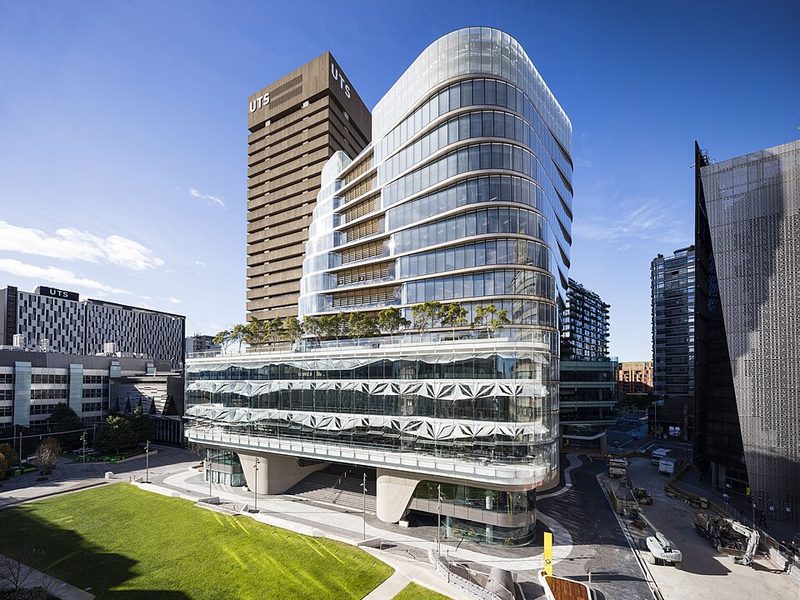
Sydney functions as Australia's economic engine, hosting significant financial services operations, manufacturing activity and a growing knowledge economy. The University of New South Wales, established in 1949, and the University of Sydney anchor research in political economy, inequality and urbanisation. Tourism and international education are major sectors. Housing affordability remains a documented local concern, shaping ongoing conversations about living costs and economic inequality.
Culture threads through daily life via science, art and history institutions, an active entertainment sector, and media industry operations. Aboriginal culture and experiences are available to visitors, though integration of Indigenous perspectives into mainstream city experience remains evolving. The Vivid Sydney event is noted as a distinctive cultural offering.
Transport and Getting Around
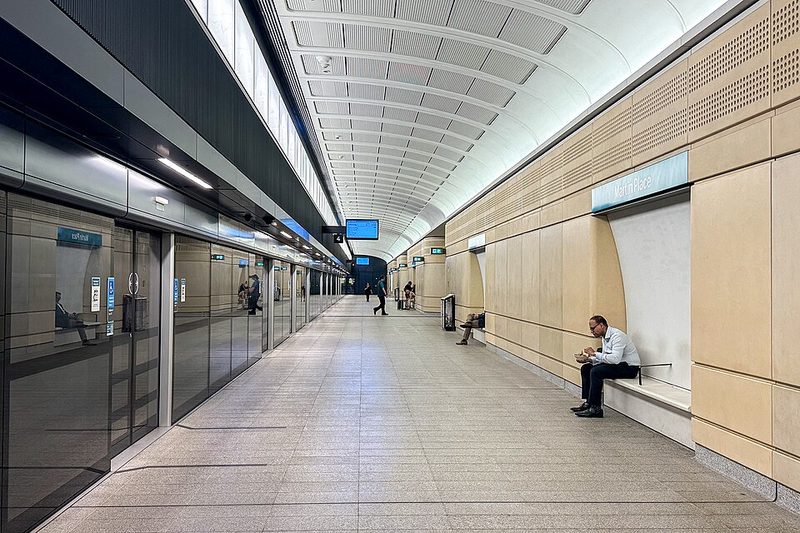
Sydney serves as Australia's major international aviation hub. Ferry services operate on the harbour, connecting suburbs across the water and functioning as both practical transport and tourist attraction. Rail and bus networks connect suburbs across the metropolitan area, though service quality and frequency vary by location. Current schedules, routes and real-time access should be checked locally, as transport systems are regularly updated.
Surrounding Geography and Day Trips
The city's edges are defined by national parks and natural features. Ku-ring-gai Chase National Park and the Hawkesbury River lie to the north and north-west; the Royal National Park and Macarthur region to the south and south-west; and the Blue Mountains to the west. Trains run from Sydney Central Station to Katoomba in the Blue Mountains roughly every hour, with the journey taking approximately two hours. These surrounding areas provide bushland escapes and day trip options from the metropolitan area.
Practical Information
Sydney's population of approximately 5.6 million represents about 66 per cent of New South Wales' population, making it Australia's largest city. The city operates in the Australia/Sydney timezone. Visitors should check water quality, climate patterns and local seasonal conditions before activities near water or in surrounding bushland. Local residents and visitor information services provide current, detailed advice on all aspects of visiting Sydney.