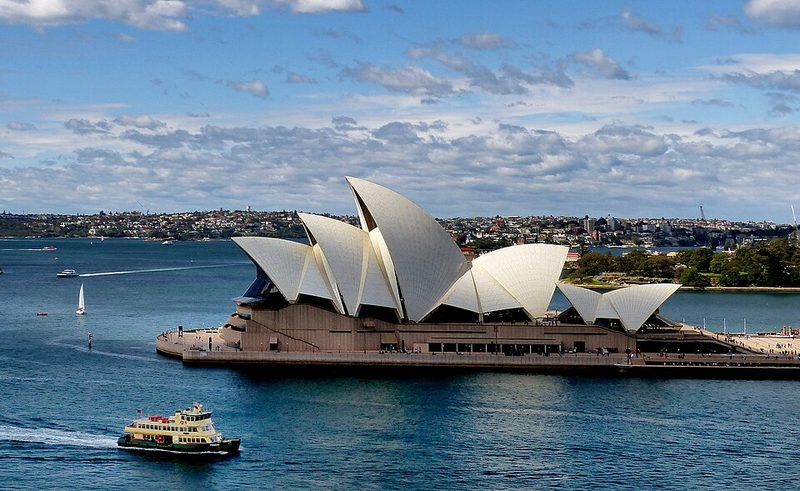
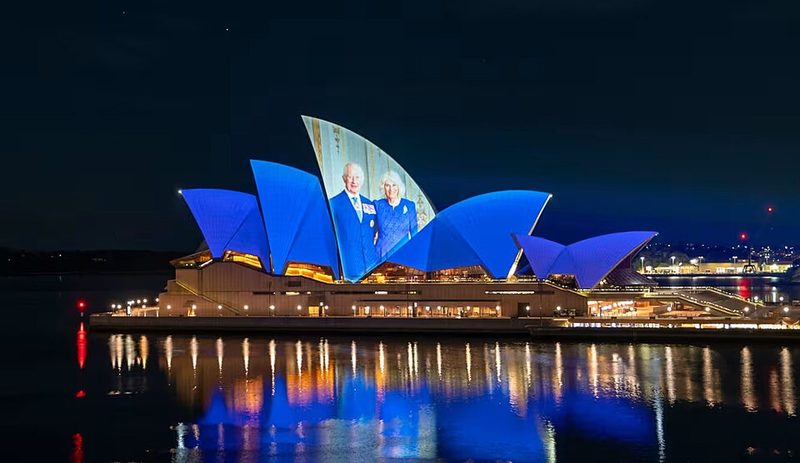
The Sydney Opera House sits on Bennelong Point at the edge of Sydney Harbour, adjacent to the Royal Botanic Garden and near the Harbour Bridge. Designed by Danish architect Jørn Utzon, the building opened in 1973 after a famously complex construction period. The distinctive sail-like shells have become the visual shorthand for Sydney and modern Australia, recognised globally as both an architectural achievement and a cultural venue.
Architecture and History
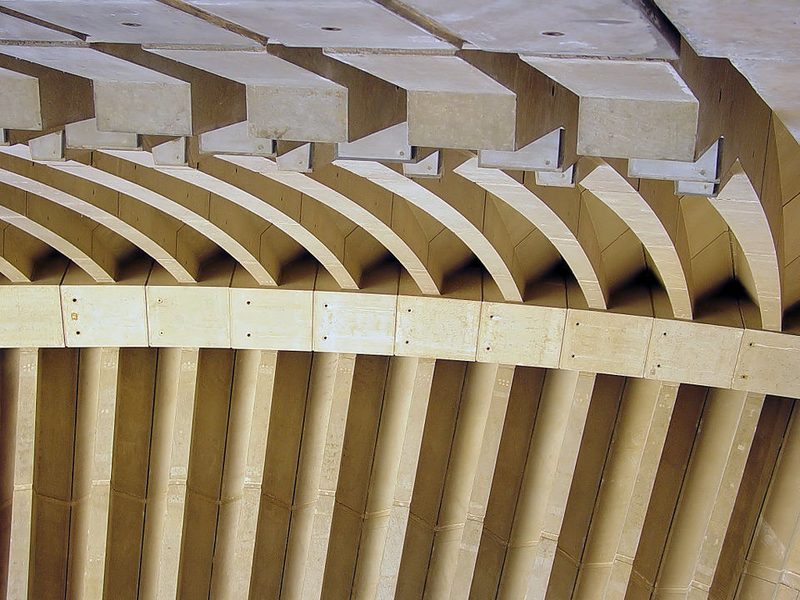
Utzon's design was entry number 218 in an international competition that began judging in January 1957. He had won seven previous competitions but never seen his designs built. The Sydney Opera House became his first and most celebrated built work. The structure represents a breakthrough in modern architecture, combining precast concrete shells with innovative engineering solutions developed over more than a decade of construction.
The building earned UNESCO World Heritage listing for its architectural significance. The famous shells create multiple performance venues under a single unified exterior form. Utzon's vision integrated the building with its harbour setting, creating an amphitheatre effect where the structure appears to rise from the water.
Visiting and Tours
The building and surrounds occupy the whole of Bennelong Point, positioned between Sydney Cove and Farm Cove. The site is visited by more than ten million people annually. Approximately 350,000 visitors take guided tours of the building each year. The main Box Office lobby and Welcome Centre are accessible without a ticket. To access the foyers, performance halls and other interior spaces, visitors must have a ticket for a show or a guided tour.
Guided tours are offered in English, French, German, Spanish, Japanese, Korean and Mandarin. The Sydney Opera House Tour provides access to the history, architecture and behind-the-scenes spaces. The Architectural Tour focuses specifically on the design work of Jørn Utzon and Peter Hall (who completed the interiors after Utzon's departure from the project). Tours are step-free and accessible for visitors with limited mobility or access needs.
Performances and Cultural Programme
The building comprises multiple performance venues which together host over 1,800 performances annually, attended by more than 1.4 million people. Resident companies include Opera Australia, the Sydney Theatre Company and the Sydney Symphony Orchestra. The programme covers opera, theatre, classical music, contemporary performance and other art forms throughout the year.
Performances are presented by numerous artists and companies beyond the resident groups. Checking the current programme before visiting allows travellers to book tickets for performances that interest them. The building operates as an active cultural venue rather than simply a monument, and attending a performance provides a different perspective on the space than a daytime tour.
Dining and Surroundings
Bennelong restaurant sits inside the building's sails, offering fine dining with harbour views. Opera Bar, located below the main structure at water level, provides a casual dining option with direct views of the Harbour Bridge. The outdoor café becomes standing-room-only at sunset, particularly during warmer months.
The surroundings integrate the Opera House into a larger cultural precinct. The Royal Botanic Garden lies immediately adjacent, providing walking routes along the harbour foreshore. Circular Quay, the main ferry terminal, sits a short walk to the west. The Museum of Contemporary Art, Customs House and The Rocks historic district are all within comfortable walking distance.
Getting There
Circular Quay station (rail and ferry) provides the most direct access. The walk from Circular Quay to the Opera House takes approximately 10 minutes along the harbourside promenade. Ferries arriving at Circular Quay offer views of the building from the water during approach. Bus services also connect to Circular Quay from across Sydney.
Sources: Sydney Opera House - Official Site • Our story | Sydney Opera House • Tours | Sydney Opera House • Sydney Opera House - Wikipedia