

What Toronto is known for
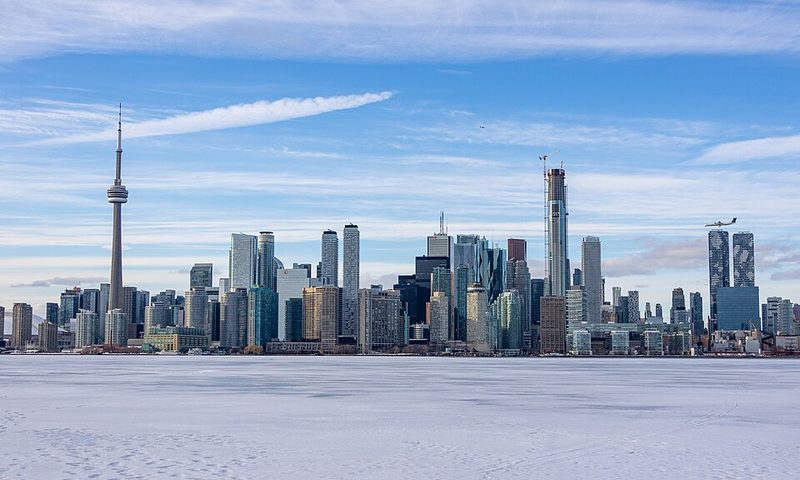
Canada's largest city sits on the northwestern shore of Lake Ontario, where nearly 2.8 million people live in what has become the fourth-most populous city in North America. Toronto functions as the country's economic and cultural engine, contributing one-fifth of Canada's entire GDP. The waterfront position, the density of the downtown core, and the visible diversity of neighbourhoods define the city's character.
Arrival and Geography
Lake Ontario shapes how Toronto feels and moves. The harbour has been central to the settlement since its earliest days as a trading post, and the shoreline remains a primary point of orientation. The city sprawls across a landscape carved by a ravine system that runs through many neighbourhoods, creating unexpected pockets of green within the urban fabric. These natural waterways—some now buried, others preserved—give different parts of the city distinct characters.
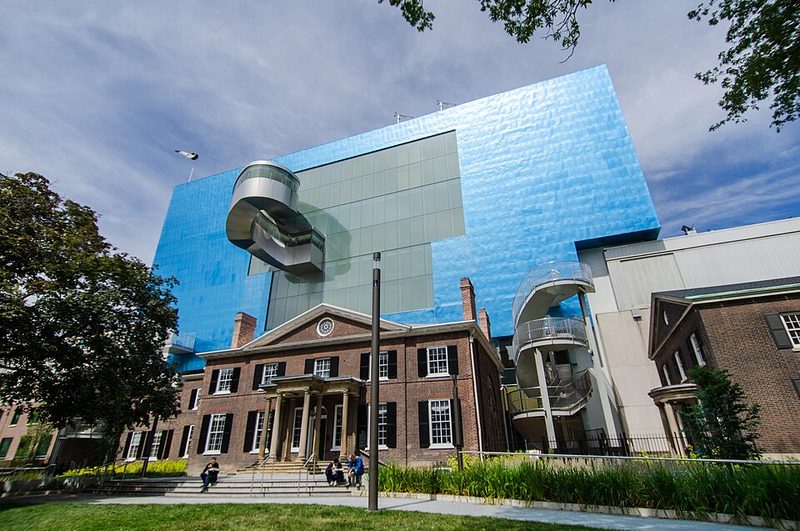
The downtown core clusters around the Financial District, reflecting Toronto's role as Canada's banking and stock exchange centre. Beyond this, the city breaks into numerous former municipalities and distinct neighbourhoods. Walking between areas, the layered development becomes apparent—Victorian mansions, early 20th-century industrial buildings, mid-rise apartment blocks, and contemporary glass towers coexist within a few blocks of one another.
Historical Development
The area has supported human settlement for over 10,000 years. European fur traders recognized the harbour's strategic value early. The Town of York was formally founded here in 1793, growing steadily as a transportation and trading hub. By 1834, it was incorporated as the City of Toronto—a name derived from a Haudenosaunee word thought to mean "where there are trees standing in the water."
Throughout the 19th and 20th centuries, the waterfront position made Toronto a major centre for manufacturing and distribution. The city attracted successive waves of immigrants seeking economic opportunity, and this immigration shaped its character profoundly. A significant administrative consolidation—the "Megacity" amalgamation of 1998—brought together Toronto proper and surrounding municipalities into the unified city that exists today.
Economy and Daily Life
Toronto's economy is notably diverse. Finance and banking remain central, but media and entertainment, technology, biotech research, real estate, and tourism all provide substantial employment. Film production is an established sector within the creative industries, and the port continues to function as a primary wholesale and distribution point for Canada.
The city is internationally recognized as one of the world's most multicultural centres. This character shows up clearly in food culture—the peameal bacon sandwich, East Indian roti, and Toronto-style pizza are documented local food markers. Carousel Bakery at St. Lawrence Market serves what was named Toronto's Signature Sandwich in 2016: a thick-cut peameal bacon sandwich on a hamburger bun.
Cultural Infrastructure
The performing arts, literature communities, music, nightlife, galleries, and museums function as established cultural anchors. The Toronto International Film Festival (TIFF), centred in the Entertainment District, brings significant international attention each September, with galas at venues including Roy Thomson Hall. The city maintains a network of museums documenting local history, including Colborne Lodge, Fort York, and Gibson House Museum.
Natural Features and Public Space
The ravine system is one of Toronto's most distinctive features. Parks and green corridors follow these natural waterways throughout the city. Philosopher's Walk, a scenic footpath along the University of Toronto's St. George campus, follows the ravine landscape created by a buried creek and is bounded by the Royal Ontario Museum and the Royal Conservatory of Music. The Bluffs at Bluffer's Park—dramatic cliffs formed over thousands of years by glacial activity and erosion from Lake Ontario—offer another notable natural feature.
The transition from the concentrated downtown to quieter, tree-heavy residential districts happens quite sharply in many directions. Different neighbourhoods have distinct atmospheres, and the presence of water, ravines, and green space breaks up what might otherwise feel like an unrelenting urban grid.
Neighbourhoods and Districts
Toronto's neighbourhood character reflects its immigration history. Little Italy, Greektown, Little India, Little Portugal, and the Ossington Strip each have their own retail and dining cultures. The west-end neighbourhoods around Trinity-Bellwoods, Little Italy, and Ossington offer concentrated restaurant and retail areas distinct from the downtown high-rise core. Rosedale and Forest Hill are residential districts known for tree-lined streets and historic homes.
Getting There and Around
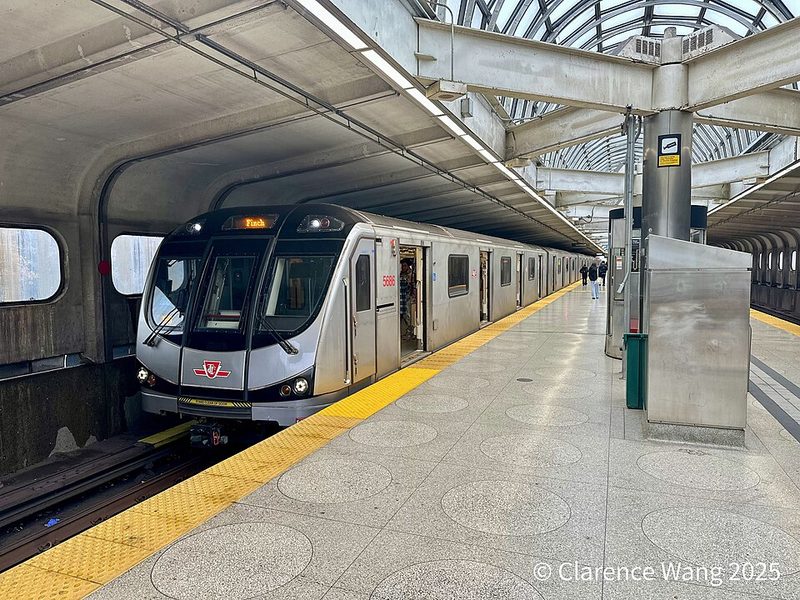
Toronto is served by major airports and functions as a hub for regional rail and bus connections. The Greater Toronto Area extends well beyond the city's administrative boundaries, encompassing surrounding regions—Peel, York, Durham, and Halton—that function as a cohesive metropolitan system with a combined population exceeding 6.7 million. Most movement within the city relies on public transit, cars, and walking, depending on neighbourhood and destination. Specific transit routes and services should be verified locally before arrival.
Practical Considerations
Toronto operates at a continental scale, with a real estate market, employment economy, and cultural life that reflect its size and role. The waterfront continues to evolve as a space for residents and visitors. The city experiences full seasonal variation—weather conditions shift considerably throughout the year, affecting how the city feels and how people move through it. Information about specific services, accommodation, and visitor facilities should be checked through local sources before arrival.
Is Toronto Worth Visiting?
Toronto offers substantial cultural infrastructure, diverse neighbourhoods, and a food scene that reflects its multicultural character. The combination of natural features—the ravine system, the lake—with dense urban development creates a city that feels less monolithic than its size suggests. Visitors interested in urban culture, neighbourhood exploration, or major cultural institutions will find developed infrastructure and options.
Where to Stay in Toronto
The downtown core provides proximity to the Financial District and cultural institutions. The west-end neighbourhoods—Little Italy, Ossington, Little Portugal, and areas around Trinity-Bellwoods—offer access to concentrated restaurant and retail areas. The Entertainment District sits near major venues and the waterfront. Visitors should verify specific accommodation options and neighbourhood positioning based on their planned activities.
How Many Days Do You Need in Toronto?
Two to three days allows time to explore the downtown core, visit major cultural institutions, and experience several distinct neighbourhoods. A longer stay permits deeper exploration of the ravine system, outlying neighbourhoods, and cultural programming such as festivals or exhibitions. The scale of the Greater Toronto Area means visitors can easily spend a week exploring different districts and nearby areas without exhausting options.
Is Toronto Safe for Visitors?
Both UK and US authorities maintain normal travel precautions for Canada, with no specific warnings for Toronto or Ontario. The city functions as a major international hub with developed public services and infrastructure. Visitors should check current official travel advice from their home government before departure and exercise standard urban awareness.