

What Tucson is known for
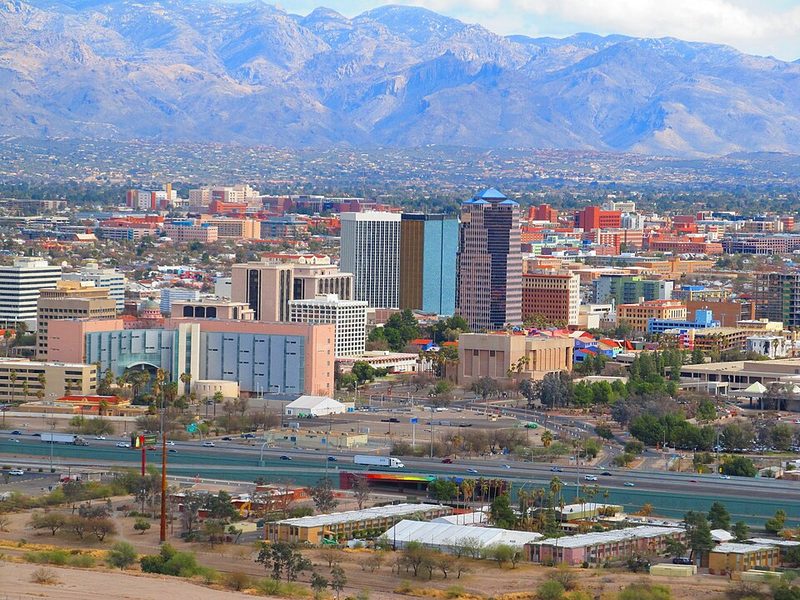
Tucson sits in a valley surrounded by five mountain ranges in southern Arizona, roughly 760 metres above sea level. The second-largest city in the state, with a population exceeding 540,000, it occupies land where human settlement extends back at least 4,000 years. Saguaro cacti tower over residential neighbourhoods on the valley floor whilst pine forests crown the peaks visible from downtown—dramatic climate shifts that occur within an hour's drive.
The city draws more than 7 million visitors annually but maintains a different character from Phoenix, 108 miles to the northwest. This is a place shaped by the Sonoran Desert, Spanish colonial history, and the University of Arizona, founded in 1885 during the territorial period and now enrolling over 54,000 students.
Setting and Arrival
The Santa Cruz and Rillito Rivers converge at Tucson, though both run dry much of the year. The valley floor sits at approximately 2,500 feet above sea level—high enough to moderate desert temperatures slightly, though summer heat remains intense. Five mountain ranges encircle the basin: the Catalinas to the north, Rincons to the east, Tucsons to the west, and Santa Ritas and Huachucas further south. These peaks catch winter snow and summer monsoon rains, creating distinct ecosystems within easy reach of the urban core.
Tucson International Airport (TIA) serves as the primary air gateway. The city sits on Interstate 10, approximately 60 miles north of the United States–Mexico border. Local public transit operates within the metro area; the Sun Link Streetcar serves downtown districts free of charge. For current bus routes, schedules and transport details, visitors should check with local transit authorities or the city's official website.
Historical Background
The Hohokam people built sophisticated irrigation canal systems around 1,200 BCE—among the earliest in North America—and maintained complex agricultural settlements in the Tucson basin from roughly 450 to 1,450 CE before their eventual disappearance.
In 1698, Jesuit missionary Father Francisco Eusebio Kino encountered a small O'odham village called Chukshon, meaning "at the base of the black mountain." The Spanish adapted this to Tucsón. On 20 August 1775, the settlement was formally founded as a Spanish military presidio—a garrison town—and that date remains celebrated annually as Tucson's birthday through La Fiesta de San AgustÃn. A reconstructed corner of the original Spanish fort stands at Church and Washington streets downtown.
The region saw indirect Civil War involvement. In April 1862, a cavalry engagement at Picacho Peak, roughly 50 miles northwest, marked the westernmost Civil War battle involving fatalities. Arizona achieved statehood in 1912. The University of Arizona, established 27 years earlier, became an anchor institution for research, particularly in aerospace, astronomy and medicine, operating medical schools in both Tucson and Phoenix.
Economy and Daily Life
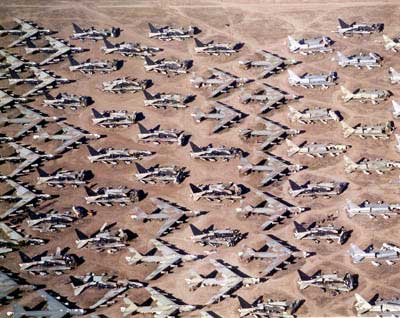
Davis–Monthan Air Force Base, located approximately 5 miles southeast of downtown, functions as a major regional employer and houses the Air Force's aircraft maintenance and regeneration facility—effectively a storage yard for surplus military and government aircraft. Aerospace and defence, bioscience and healthcare, renewable energy and mining technology, and transportation all represent significant economic sectors. A Hyundai manufacturing facility contributes to regional employment.
The University of Arizona drives substantial research activity and cultural programming. The cost of living remains moderate compared to other major southwestern cities.
What to See and Do
Mission San Xavier del Bac, a Spanish colonial mission founded in the 18th century, stands southwest of the city and represents important regional architecture and cultural heritage. Saguaro National Park surrounds Tucson in two separate districts—one east, one west—encompassing approximately 200 miles of trails through desert landscapes and mountainous terrain. The park offers scenic drives including Bajada Loop and Cactus Forest Drive, with paved interpretive trails and more challenging mountain routes.
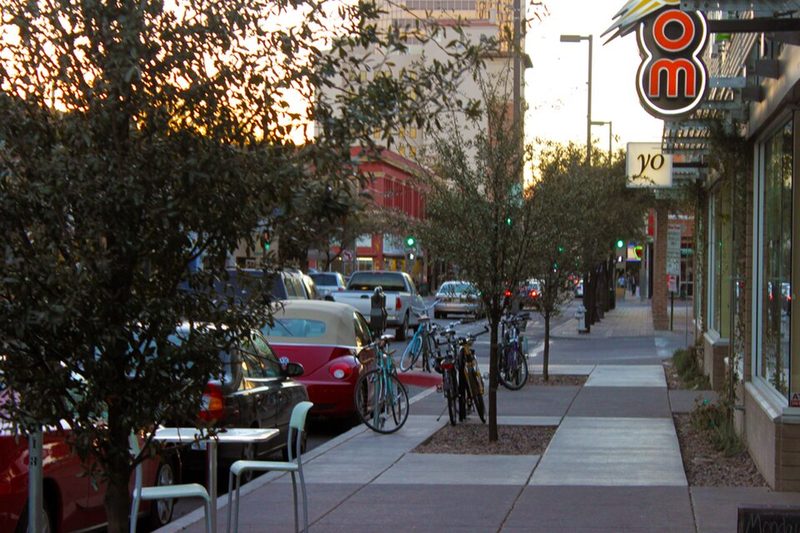
Downtown has undergone redevelopment, with historic districts accessible via the Sun Link Streetcar. The reconstructed presidio corner, Mission Garden at the base of Sentinel Peak, and various museums and galleries operate in the central area. The University of Arizona campus adds cultural amenities and green space to the city core.
Access to hiking and mountain biking occurs immediately from most parts of the metro area, with trails in the surrounding ranges offering cooler temperatures and different plant communities at higher elevations.
Cultural Events
The Tucson Gem and Mineral Show draws collectors and dealers from around the world each year and represents the largest event of its kind globally. The Tucson Festival of Books, Tucson Rodeo (Fiesta de los Vaqueros), and El Tour de Tucson cycling event draw substantial participation. Tucson Meets Yourself celebrates community traditions, whilst the Fourth Avenue Street Fair serves a long-established neighbourhood district. Music and arts events occur throughout the year; current schedules should be confirmed locally.
Food and Drink
Tucson's designation as a UNESCO City of Gastronomy in 2015 reflects 4,000 years of agricultural heritage and the city's position in the Sonoran Desert foodshed. Sonoran cuisine dominates the local food scene, including the Sonoran hot dog—a bacon-wrapped frankfurter in a bolillo roll with beans, onions, tomatoes and condiments—widely considered a Tucson speciality. Carne asada, handmade tortillas, Oaxacan mole, and crisps (large wheat tortillas topped with green chiles, carne seca, cheese and salsa) appear on menus throughout the city. Specific restaurant recommendations should be sourced locally or through current dining guides.
Practical Considerations
Tucson's elevation of approximately 2,500 feet means cooler temperatures than lower desert areas but summer heat remains severe. Summer monsoon storms typically occur in July and August, bringing dramatic rainfall and lightning. Winter proves mild. The city observes Mountain Standard Time year-round, unlike most of the United States, which should be noted for scheduling.
Standard urban precautions apply. The UK maintains normal travel advice for the United States with no specific regional warnings for Tucson or Arizona. Travellers should check current UK Foreign, Commonwealth & Development Office guidance and US State Department advisories before departure.
Mission San Xavier del Bac
Mission San Xavier del Bac, nine miles south of downtown Tucson on the Tohono O'odham San Xavier Reservation, stands as one of the finest examples of Spanish colonial architecture in the United States. The white-plastered church, completed in 1797, remains an active parish while welcoming visitors year-round.
The building reflects late Spanish Baroque style with elaborate decorative elements, carved saints, and an ornate interior featuring vaulted ceilings and side altars. One bell tower was never completed—an unexplained architectural detail that adds to the mission's intrigue. Extensive restoration work beginning in 1992 brought in international conservation experts who trained Tohono O'odham tribal members in conservation techniques. This restoration continues today under local direction.
The mission is open daily from 9:00 AM to 4:00 PM with free admission. Free docent-led tours lasting 30 minutes operate most days except Sunday. The site includes a gift shop, small museum, and plaza vendors selling traditional crafts. Visitors should dress respectfully and remain quiet during services. The mission is accessible by car via Interstate 19, approximately 15 to 20 minutes from central Tucson.
Sources: San Xavier Del Bac Mission - Visitor Information • Mission San Xavier del Bac - Wikipedia • Patronato San Xavier
Saguaro National Park
Saguaro National Park protects the iconic saguaro cactus across two separate districts flanking Tucson. The Rincon Mountain District (Saguaro East) sits 15 miles east of downtown, while the Tucson Mountain District (Saguaro West) lies 15 miles west. The districts do not connect by park road; urban Tucson occupies the valley between them.
Saguaro East encompasses higher elevation terrain with the eight-mile paved Cactus Forest Drive and approximately 165 miles of backcountry trails rising from desert into pine-oak forest above 8,000 feet. Saguaro West offers more accessible desert terrain, the six-mile Bajada Loop Drive, and Signal Hill petroglyphs. The park maintains roughly 200 miles of trails total, from short paved nature walks to multi-day mountain routes.
Both districts have visitor centres open daily 9:00 AM to 5:00 PM (except Christmas), with adjusted summer hours. Entrance fees are valid for seven days across both units. Neither district provides food services or lodging. Summer temperatures regularly exceed 100°F; winter offers better hiking conditions. Visitors should carry at least one gallon of water per person for desert hiking.
Sources: Saguaro National Park - National Park Service • Saguaro National Park - Maps and Directions • Friends of Saguaro National Park - Hikes & Trails
Tucson Gem and Mineral Show
The Tucson Gem, Mineral & Fossil Showcase, operating for over 70 years, is widely regarded as the world's largest gem and mineral marketplace. For two weeks spanning late January into mid-February, an estimated 60,000 people from more than 20 countries attend dozens of shows across the city. The event includes wholesale trade shows requiring business credentials and public-accessible exhibitions.
The main show, organised by the Tucson Gem & Mineral Society at the Tucson Convention Center, typically runs for four days in early to mid-February. This exhibition features museum-quality specimens from institutions including the Smithsonian and includes a technical symposium. Surrounding shows occupy hotel ballrooms, tents and temporary venues throughout Tucson and Marana, with varying schedules from late January through Valentine's Day. Material ranges from fine mineral specimens and fossils to gemstones, jewellery, beads, and lapidary equipment.
Visitors should plan ahead: accommodation books months in advance, venues are geographically dispersed requiring rental car transport, and show guides help navigate the multiple simultaneous events. Weather is typically mild with daytime temperatures in the 60s-70s Fahrenheit (15-24°C).
Read the full Tucson Gem and Mineral Show guide
Sources: Tucson Gem & Mineral Show - Wikipedia • Tucson Gem Shows - Visit Tucson • Tucson Gem & Mineral Society Show • Tucson Gem Show 101
Sonoran Hot Dog and Local Food Culture
Tucson earned designation as the United States' first UNESCO City of Gastronomy in December 2015, recognition of a culinary heritage spanning 4,000 years and blending Native American, Mexican and Anglo traditions. The city's food culture reflects its position at the intersection of the Sonoran Desert ecosystem and the U.S.-Mexico border, creating a distinct regional cuisine that looks and tastes unlike other North American cities.
Sources: Sonoran hot dog - Wikipedia • Where to Find the Best Sonoran Hot Dogs in Tucson • Tucson UNESCO Creative City of Gastronomy • Tucson, Arizona: A City of Gastronomy Rooted in History