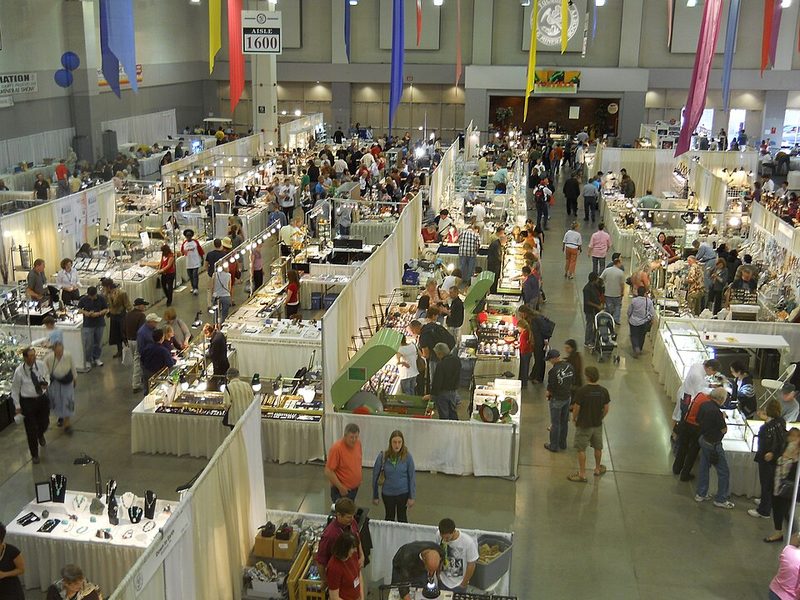
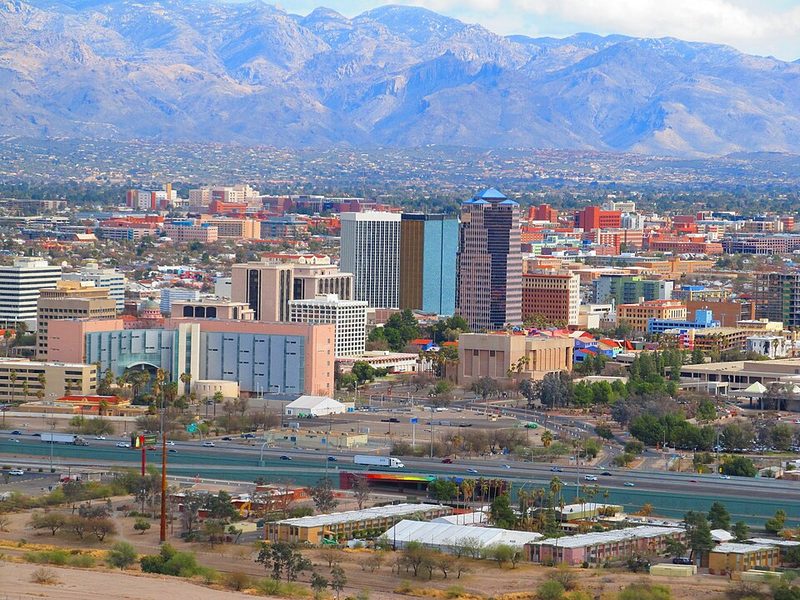
The Tucson Gem, Mineral & Fossil Showcase transforms the city each winter into what is widely regarded as the world's largest gem and mineral marketplace. For two weeks spanning late January into mid-February, dealers, collectors, museums and enthusiasts from more than 20 countries converge on dozens of venues across Tucson. An estimated 60,000 or more people attend annually, and the event has operated for over 70 years, establishing Tucson as the global centre for gem and mineral trade during this period.
Show Structure and Venues
The showcase actually comprises numerous individual shows operated by different organisations. Some are wholesale trade shows requiring business registration; others welcome the general public. Venues range from the Tucson Convention Center—which hosts the main Tucson Gem & Mineral Society show—to hotel ballrooms, tents, parking lots and temporary exhibition spaces scattered throughout the city and surrounding areas including Marana to the northwest.
The main show at the Tucson Convention Center typically runs for four days during the second week of February. This exhibition, organised by the Tucson Gem & Mineral Society since 1955, features museum-quality mineral specimens, educational exhibits, and displays from institutions including the Smithsonian, the American Museum of Natural History, and international universities. The event includes a symposium with technical presentations on geology and mineralogy, typically held on the Saturday during the show. Admission fees apply; parking at the convention center is available for a daily charge.
Surrounding shows run on varying schedules, with some opening as early as late January and others continuing through mid-February. The overall showcase typically starts the last weekend of January and concludes around Valentine's Day, though precise dates shift slightly year to year. Visitors should confirm current schedules and venue locations before arriving, as the distributed nature of the event requires planning to navigate effectively.
What's On Offer
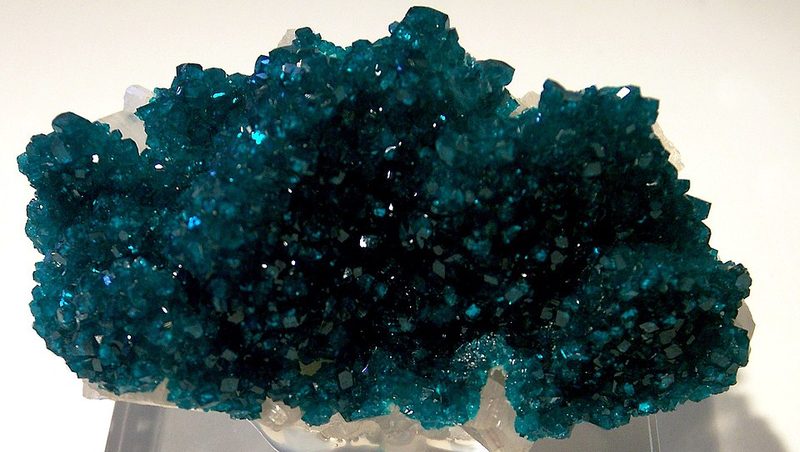
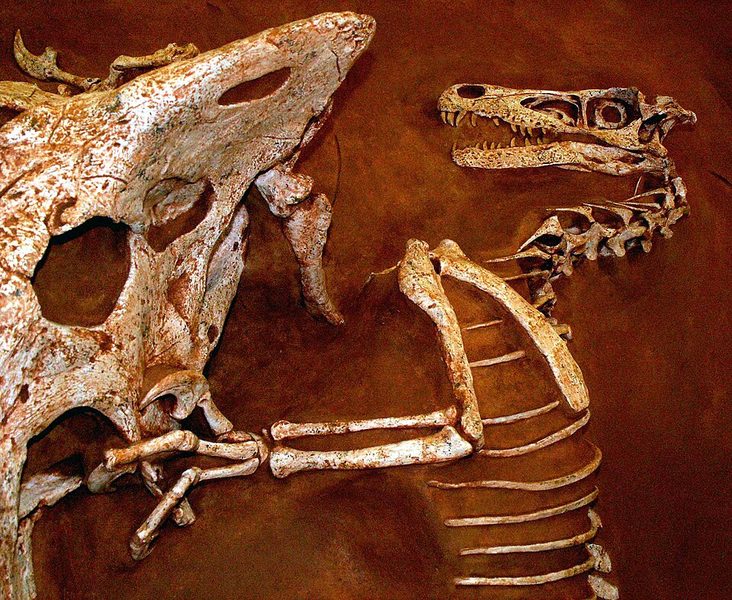
The range of material spans fine mineral specimens, fossils, gemstones, jewellery, lapidary equipment, beads, meteorites, and carvings. Wholesale dealers conduct business with retailers and serious collectors. Public-accessible shows offer opportunities to purchase stones, finished jewellery, and collector specimens at various price points. Educational programming includes lectures, demonstrations, and children's activities. The Alfie Norville Gem & Mineral Museum in Tucson often schedules a free admission day with special events during the showcase period.
Museum and university exhibits bring special collections to the main show, offering the public rare access to specimens not normally on display. Book signings, art displays for children and families, and technical symposia add depth beyond commercial transactions.
Attending the Showcase
The sheer scale and geographical spread of the showcase present logistical challenges. First-time visitors should prioritise identifying which shows match their interests—whether high-end mineral specimens, affordable beads and cabochons, fossils, or finished jewellery. Show guides and maps, typically available through Visit Tucson and show organiser websites, help navigate the dozens of venues operating simultaneously.
Accommodation in Tucson books heavily during the showcase period, often months in advance. Rental cars provide the most practical transport given the dispersed venues, though some shuttle services operate between major show sites. Parking varies by venue from free to paid. Many shows operate on cash-preferred or cash-only bases, though credit cards are increasingly accepted at larger venues.
Public shows generally welcome visitors without registration; wholesale shows require business credentials. Some venues open early morning for wholesale buyers before opening to the public at mid-morning. Weather during late January and early February in Tucson is typically mild with daytime temperatures in the 60s to 70s Fahrenheit (roughly 15-24°C), though occasional cold snaps or rain can occur. Comfortable walking shoes are essential for navigating large venues and moving between shows.
Practical Notes
The showcase's economic impact on Tucson is substantial—gem show operators spend approximately $11 million in the local economy. The event has expanded significantly from its origins as a regional mineral club show in the 1950s, evolving into an international marketplace that draws dealers from South America, Africa, Asia, and Europe. For serious collectors and dealers, the Tucson showcase represents the year's most important buying and networking opportunity. For casual visitors interested in geology, gems or jewellery, it offers unusual access to rare specimens and direct purchase from international sources.
Sources: Tucson Gem & Mineral Show - Wikipedia • Tucson Gem Shows - Visit Tucson • Tucson Gem & Mineral Society Show • Tucson Gem Show 101