

What Vancouver is known for
Travel Advisory: Canada maintains normal travel precautions (UK Level 1). No regional restrictions apply to Vancouver. Visitors should consult current UK FCDO or US State Department guidance before travel.
Geography and Arrival
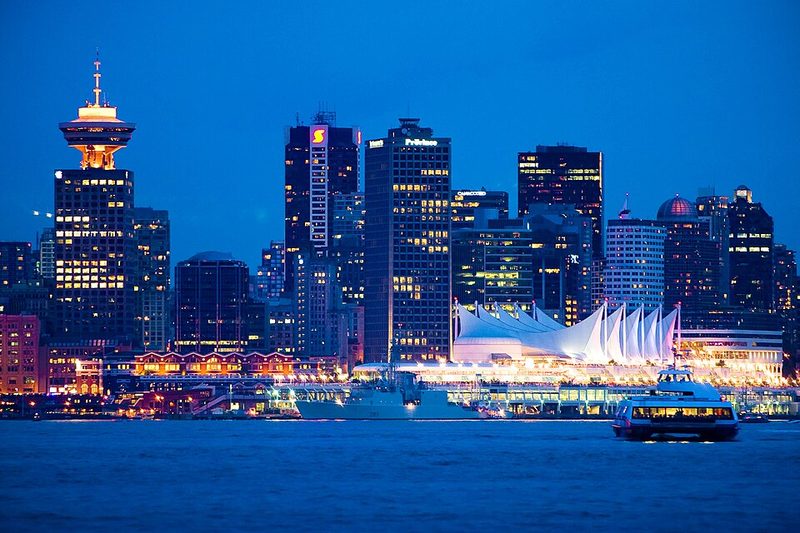
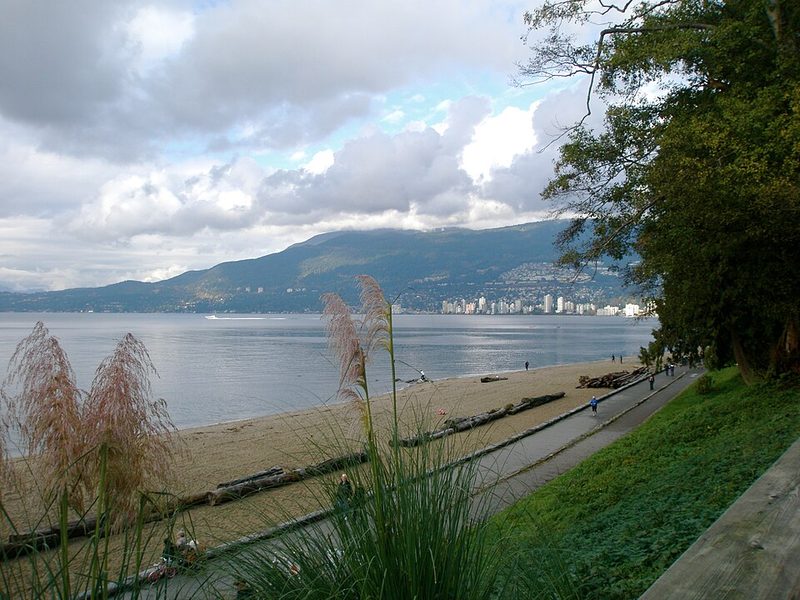
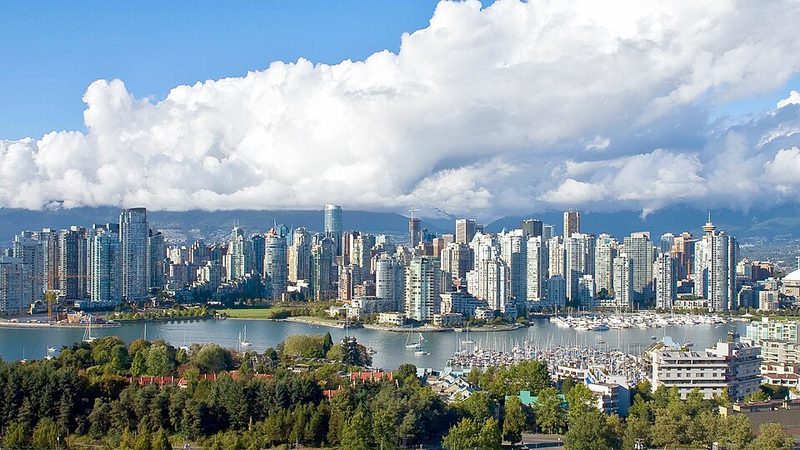
Vancouver occupies a compact site on the Lower Mainland of British Columbia, bounded by the Pacific Ocean to the west and the North Shore mountains—Mont Seymour, Grouse Mountain, and Cypress Mountain—to the north. The city sits at the edge of Burrard Inlet, with the Strait of Georgia beyond, at an elevation of approximately 70 metres. This maritime and mountain geography defines both the visual character and the economic function of the city, which has developed as the Pacific terminus of Canada's transcontinental highway and rail routes.
The Port of Vancouver, Canada's largest and North America's fourth largest by cargo volume, facilitates trade with more than 170 economies and remains central to the city's identity. Shipping infrastructure is visible throughout the working waterfront, a reminder that Vancouver's cosmopolitan character is built on the practical reality of international commerce. The temperate climate supports year-round activity, and forested areas remain integrated into the urban fabric despite the city's population density of over 5,700 people per square kilometre, the highest in Canada.
Historical Development
Archaeological evidence indicates First Nations peoples inhabited this region from around 500 BC. The territories now occupied by Vancouver are the ancestral and unceded lands of the xʷməθkʷəy̓əm (Musqueam), Sḵwx̱wú7mesh Úxwumixw (Squamish), and səlilwətaɬ (Tsleil-Waututh) peoples. European settlement began with Gastown and other early colonial developments in predominantly wooded terrain.
The city's growth was driven by its position as a transportation junction. As the western terminus of transcontinental routes, Vancouver became the natural point of connection between Canada's interior and the Pacific. Port infrastructure developed to support this role, and the city evolved from resource extraction and processing—timber, minerals, and metals—into a more diversified economy.
Economy and Population
As of 2017, Vancouver's GDP stood at approximately CA$137 billion with a 4.5 per cent growth rate, representing roughly 7.5 per cent of Canada's overall economy. The 2021 census recorded 662,248 people in the city proper, with Metro Vancouver reaching 2.6 million. The city has been among Canada's fastest-growing economies in recent years.
Major industries include international trade, finance and banking, technology, film and television production, and aviation. Manufacturing retains a significant role, with companies including General Motors, Boeing, and various aerospace and automotive suppliers maintaining operations in the region. The technology sector includes offices for Amazon and AWS Canada, focused on software development and logistics. The city's population is notably diverse, with substantial Asian immigrant communities shaping both the cultural and economic landscape.
Neighbourhoods and Districts
Gastown and Chinatown occupy the eastern edge of downtown and represent some of the city's oldest areas. Gastown was among the earliest European settlements, and much of the early architecture remains, giving the district a different character from the glass and concrete of the modern central business district. Vancouver's Chinatown, which has existed since the 1880s, is Canada's largest and centres around Pender Street. The neighbourhood is bounded by Gastown to the north and the residential Strathcona area to the southeast, and retains its identity as a historic working-class Chinese district established 140 years ago.
Granville Island functions as an artistic and cultural hub, with the Granville Island Public Market serving as a culinary destination housing over 50 independent food vendors. Stanley Park provides access to shoreline and forest within the city proper and remains an established landmark.
Film Industry
Vancouver operates as "Hollywood North", supporting major film and television production. The city possesses the capacity to handle significant Hollywood projects, including casting, set-building, location filming, and audio and special effects work. North America's largest purpose-built film studios operate in the Metro Vancouver area, including Bridge Studios, Canadian Motion Picture Park, Eagle Creek Studios, Mammoth Studios, North Shore Studios (formerly Lions Gate), Vancouver Film Studios, and Washington Studios. Proximity to Los Angeles, diverse geography, local talent, and government subsidies have contributed to the growth of this service-oriented industry.
Cultural Institutions
The Museum of Anthropology at the University of British Columbia houses exhibits on the region's Indigenous heritage and broader archaeological collections. Arts infrastructure supports theatre, dance, visual art, music, and the concentrated creative workforce the city has developed. Indigenous cultural events include the Mother's Day Powwow at Trout Lake Community Centre in May and the Stalew Pow Wow at Langley Events Centre in September, among other annual celebrations.
Transport and Access
Vancouver is served by multiple transport connections. The city lies on transcontinental highway and rail routes as the Pacific terminus for Canada's national transportation network. The Port of Vancouver accommodates passenger and cargo vessels. Regional transport details, including public transit systems and seasonal schedules, should be confirmed with local authorities before travel.
Practical Considerations
Canada maintains Level 1 travel advisories (normal precautions) from both the UK FCDO and the US State Department, with no specific regional restrictions for Vancouver. The city will co-host the 2026 FIFA World Cup between 11 June and 19 July, which may affect travel logistics during that period. Standard travel insurance is recommended. Visitors should check current transport schedules, weather conditions, and any local advisories before arrival.
The city experiences a temperate climate with mild, wet winters and warm, dry summers. The North Shore mountains provide skiing and winter sports within close proximity to the city during winter months. English Bay, Spanish Banks, Jericho Beach, and other beaches along the coast offer recreation during warmer weather.