Adelaide hosts two of Australia's most significant arts festivals each year: the Adelaide Festival, a curated international programme running for 17 days, and the Adelaide Fringe, which claims the title of the largest arts festival in the southern hemisphere and runs for 31 days across February and March.
Adelaide Fringe
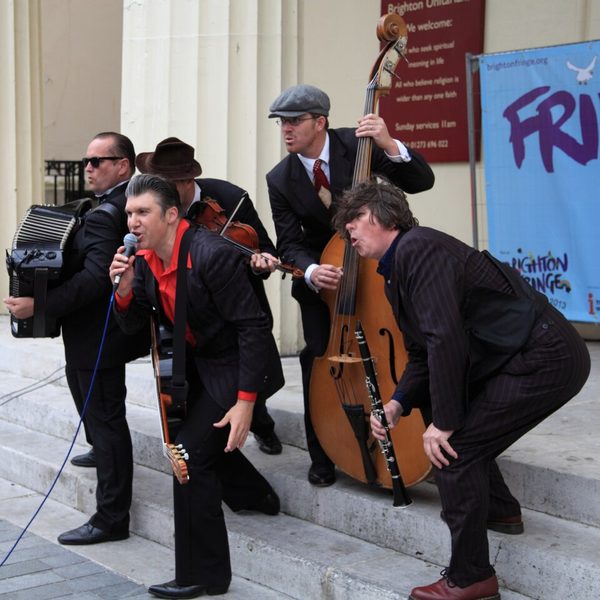
The Adelaide Fringe came to life in 1960 as a biennial showcase for a small group of local independent artists. What began modestly has grown into an annual festival presenting more than 1,200 events. The 2026 edition runs from 20 February to 22 March. The festival operates without a centralised curation model—artists register their shows independently, resulting in an eclectic programme that spans comedy, cabaret, theatre, music, circus, visual arts, and experimental performance.
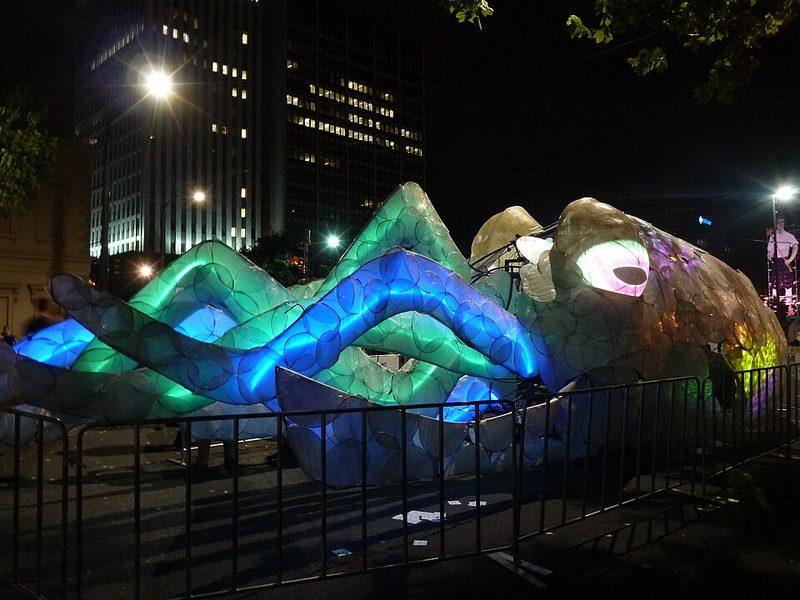
The Fringe transforms Adelaide's urban fabric. Performances take place in established theatres, but also in cafés, galleries, shipping containers, laneways, and temporary venues across the city centre and increasingly in greater metropolitan Adelaide. By 2012, the festival featured over 4,000 artists and 923 events across more than 50 venues, with approximately 40,000 spectators attending the Fringe Parade alone. Ticket sales that year reached about A$9 million.
The festival's scale reflects its open-access model: any artist can register a show, paying a registration fee and agreeing to revenue-sharing arrangements. This democratic approach produces a vast programme where experimental works sit alongside polished international acts. The quality varies accordingly, but the breadth of choice is genuine.
Adelaide Festival
The Adelaide Festival operates on a different model. It is a curated international arts festival presenting theatre, dance, opera, classical music, contemporary music, and visual arts over 17 days. The 2026 programme, announced by Artistic Director Matthew Lutton OAM, emphasises Australian and international artists across multiple disciplines. The festival includes Adelaide Writers' Week, which ran from 1–6 March in 2025, and Chamber Landscapes at UKARIA, alongside other festival-within-festival events.
The Adelaide Festival positions itself as Australia's premier destination for experiencing distinguished contemporary artists. Its programme leans towards established names and ambitious productions rather than the Fringe's open-door policy. The festival does not narrow to a specific annual theme, instead selecting work based on artistic merit and relevance.
Planning a Visit
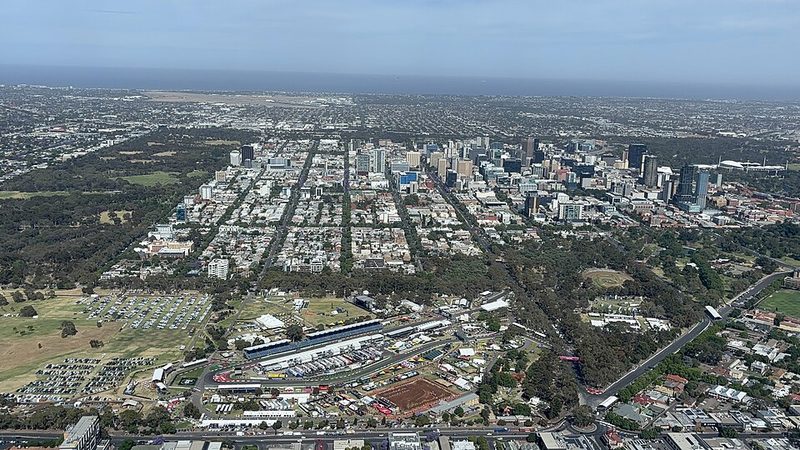
The festivals overlap in late February and early March, creating a concentrated period when Adelaide's cultural calendar is at its peak. Accommodation during this period should be booked well in advance, as visitor numbers increase substantially. The Fringe's dispersed venue model means performances occur throughout the city centre and parklands, making the city walkable for festival-goers. Specific programme details, ticketing, and venue locations are published on the official festival websites ahead of each year's event.
Visitors should note that while the Adelaide Festival offers a curated experience with advance programming, the Fringe's scale means selecting shows requires either pre-research or a willingness to take chances based on reviews and word-of-mouth during the festival itself.
Sources: Adelaide Fringe Official Site • Adelaide Festival Official Site • Adelaide Fringe - Wikipedia • Experience Adelaide - Adelaide Fringe