

What Belém is known for
Belém sits where the Pára River widens toward the Atlantic, roughly 100 kilometres inland, and everything about it speaks of movement—boats coming and going, the rhythm of a working port, the dense green of the Amazon at its edge. As the capital of Pará state and the largest city in Brazil's Northern Region, Belém has served for over four centuries as the main urban anchor and access point to the world's greatest river system. It's a city of roughly 1.5 million people that hasn't lost its character as a frontier town, despite modern development spreading across its neighbourhoods and islands.
First Impressions and Setting
Belém occupies a low-lying delta landscape at just 15 metres above sea level, where the geography itself shapes how the city breathes and moves. The Bay of Guajará curves around the urban core, and the city extends across both solid ground and a chain of river islands. The climate is equatorial—hot, humid, and drenched in seasonal rainfall—and the landscape is unmistakably Amazonian. Water appears everywhere: the bay itself dominates views from many streets, and smaller channels and waterways thread through neighbourhoods. The natural vegetation that once covered this entire region survives in pockets and parks; throughout your visit, you're aware that the rainforest is never far away, held back rather than absent.
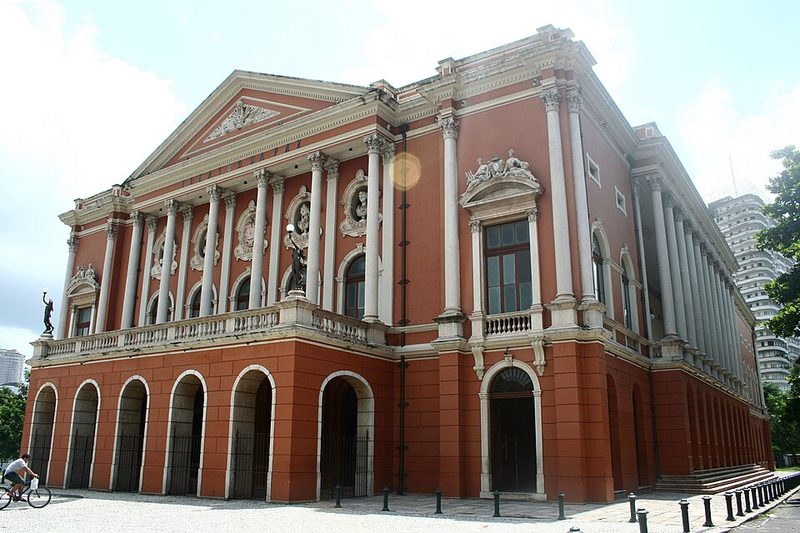
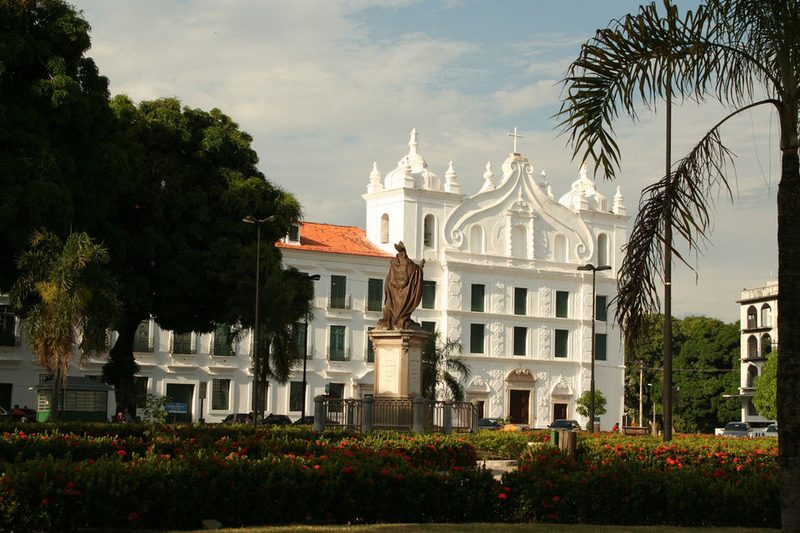
The architecture reflects Belém's colonial past alongside pragmatic modern growth. Portuguese-era buildings survive in patches, their facades bearing the weight of tropical climate and age. Alongside these stand mid-century commercial structures and contemporary residential blocks. The overall effect is a city that wears its history visibly but doesn't dwell on it—it's a working place where preservation exists but isn't the primary concern.
History and Identity
Belém was founded in January 1616 when Portuguese colonisers established a fort at the mouth of the Amazon to anchor their territorial claim in the north. For nearly two centuries it remained a garrison and trading post. The city's fortunes transformed during the rubber boom of the late nineteenth and early twentieth centuries, when Amazonian rubber flowed through Belém's port to fuel the world's new industries. That era left its mark—wealth from rubber financed significant public works and gave the city a cosmopolitan layer that survived the crash when rubber cultivation moved to Southeast Asia.
The gold rush and rubber extraction periods form the backbone of Belém's heritage narrative. The Feliz Lusitânia cultural complex occupies the port region where the Portuguese originally landed, preserving that layered colonial history. The city's identity—its residents are called belenense—is bound up in being both a colonial implantation and a gateway, neither purely European nor indigenous but something that synthesised both under trade and extraction.
Ver-o-Peso Market
Ver-o-Peso Market operates as both a working market and a protected heritage site. The name derives from the colonial-era tax collector's post—Casa do Haver-o-Peso ("Have-the-Weight House")—established in 1625 to control and tax goods brought from the Amazon forests and rivers. Belém served as the region's largest commercial entrepôt in the eighteenth century, and this market formed at the strategic point where river products met European imports.
The market remains active today. Fish and other products arrive in woven straw baskets and wooden boxes, loaded manually much as they have been for generations. Traders work with herbs based on traditional knowledge, and the daily life of the market carries beliefs and customs that have persisted alongside its economic function. Ver-o-Peso was included on IPHAN's federal heritage list and sits within Belém's protected historical centre, with additional municipal legislation safeguarding its operation. UNESCO has recognised the complex on its tentative World Heritage list.
The CÃrio de Nazaré
The CÃrio de Nazaré is an annual religious procession that draws approximately two million people to Belém each October. UNESCO has recognised the event as Intangible Cultural Heritage of Humanity. The devotion traces its roots to Portugal, where it is observed on 8 September in the town of Nazaré. In Brazil, it was originally an evening or nighttime pilgrimage, which explains the use of candles (cÃrio means taper or candle).
The festivities begin in August and run until fifteen days after the main procession, which takes place on the second Sunday of October. On that day, a wooden image of Our Lady of Nazareth is carried from Sé Cathedral to Sanctuary Square. In 1854, the date was adjusted from its earlier timing to avoid the heavy rainfall that had disrupted the previous year's event. The CÃrio marks Belém's calendar and reflects how Portuguese Catholic tradition has woven itself into local devotion over four centuries.
Amazonian Cuisine
Belém's food culture draws directly on the river and forest that surround it. AçaÃ, the purple palm fruit that has become internationally known as a health food, is served differently here—traditionally paired with fish, shrimp, dried beef (charque) and farinha (cassava flour) rather than sweetened as a dessert. Sorveteria Cairu, founded in 1964, has gained international recognition for its açaà ice cream and other Amazon fruit flavours. The shop has a location at Estação das Docas, the waterfront tourist complex.
Tacacá is a soup made from tucupi (a yellow broth extracted from cassava), shrimp, jambu leaves, and garlic. The jambu leaf produces a distinctive tingling sensation in the mouth. Maniçoba, sometimes called "the Paraense feijoada", substitutes maniva (cassava leaves) for black beans; the leaves must be cooked for up to a week to break down naturally occurring toxins. These dishes represent the synthesis of indigenous ingredients and colonial cooking techniques that defines Paraense cuisine.
Ver-o-Peso Market and the surrounding waterfront area remain the traditional places to try local food. Several restaurants in the city serve the Banquete Paraense, a shared meal for eight to ten people that includes tacacá, maniçoba, vatapá, river fish such as pirarucu and filhote, rice with jambu, crab with flour, açaÃ, and regional desserts.
The Waterfront and Estação das Docas
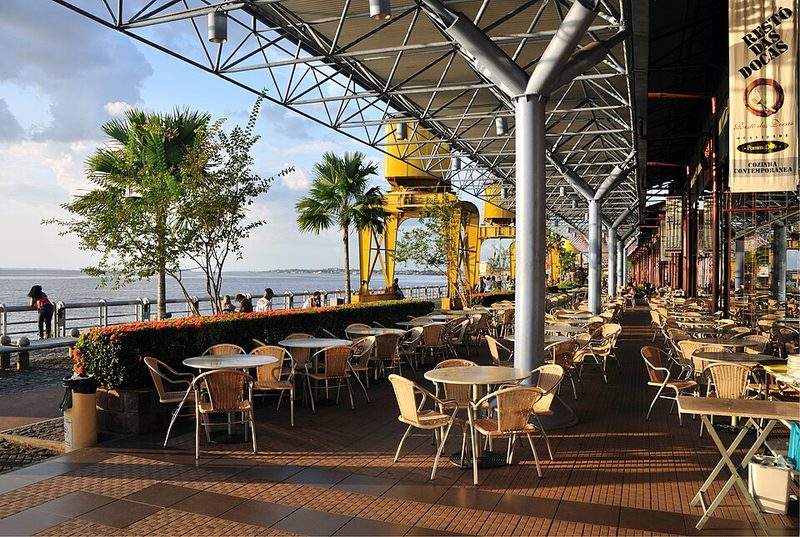
The Bay of Guajará waterfront defines much of central Belém's character. Estação das Docas, inaugurated on 13 May 2000, transformed 500 metres of former port facilities into a leisure and dining complex. The area previously suffered from high crime levels and urban decay; the redevelopment revitalised the waterfront and created a regional destination. The complex sits in sequence with the Feliz Lusitânia ensemble, following the Praça do Açaà and Ver-o-Peso Market along the bay.
The working port continues to operate alongside these tourist-oriented spaces. Ferries and boats connect Belém to river settlements, including Marajó Island and closer islands such as Ilha do Combú and Cotijuba. The waterfront remains an active transport hub as well as a public space.
Daily Life and Economy
Belém functions as a working city. With over 134,000 registered companies, the local economy spans banking, finance, food production, biofuels, and port and transport services tied to Amazon trade. The port remains essential infrastructure; goods flow through Belém that originate thousands of kilometres upriver. This port character means the city has a practical, mercantile feel beneath its cultural layers—deals happen, boats arrive, supplies move, and that economic rhythm shapes how residents experience the place.
The city also hosts Cine Olympia, noted as the oldest continuously operating cinema in Brazil—a detail that speaks to Belém's historical reach and the persistence of public cultural life even as technology transforms entertainment. The city's Human Development Index stands at 0.746, reflecting conditions in an urban centre that has grown rapidly and unevenly.
Natural Areas
Contact with Amazonian nature occurs within or very close to the urban boundary. Utinga State Park and the Rodrigues Alves Wood-Botanical Garden provide green space where native vegetation persists. The Amazon Biopark Zoo also operates in the area. Marajó Island, separated from the mainland by the Amazon delta, represents nearby territory for those interested in the region's biodiversity. Alter do Chão, further upriver near Santarém, appears in recommendations for visitors seeking river and forest landscapes beyond the immediate city area.
Getting There and Around
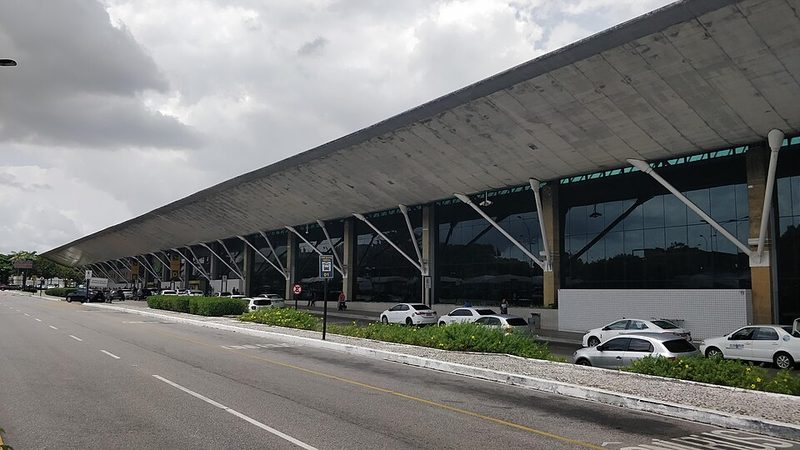
Belém is accessed by air through its airport and by sea through its port facilities, which handle both cargo and passenger traffic. The city has a bus and coach station serving regional and longer-distance routes. The Pará River provides ferry and boat access to other riverside settlements and islands, including connections to Marajó Island. For local movement, standard urban transport includes taxis, ride-sharing apps, and buses. Visitors should verify current transport details locally before arrival.
Practical Notes
Official travel advice for Brazil is regional rather than blanket; Belém itself does not fall within the specific restricted areas named in current UK or US advisories. However, both the UK Foreign, Commonwealth & Development Office and the US State Department issue Level 2 guidance for Brazil (Exercise Increased Caution), citing crime as the primary concern. Violent crime, including armed robbery, carjacking, and assault, occurs throughout Brazil, and criminals often target public transport and areas frequented by tourists.
For current conditions and any localised guidance, check the UK FCDO travel advice for Brazil and the US State Department's Brazil advisory before departure. Standard urban caution applies—avoid displaying valuables, use registered taxis or ride-sharing apps, and stay aware of your surroundings, particularly after dark. Bringing some cash in US dollars and using credit cards is the recommended approach for payment.
The equatorial climate means high heat and humidity year-round; rainfall is heavy, especially during certain seasons, which may affect transport and outdoor activities. Belém's climate is noted as particularly humid and uncomfortable compared to other Brazilian cities.