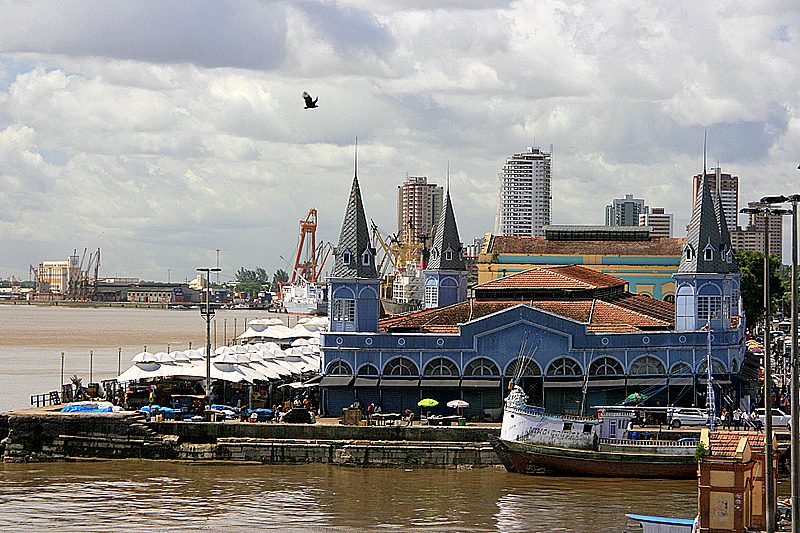
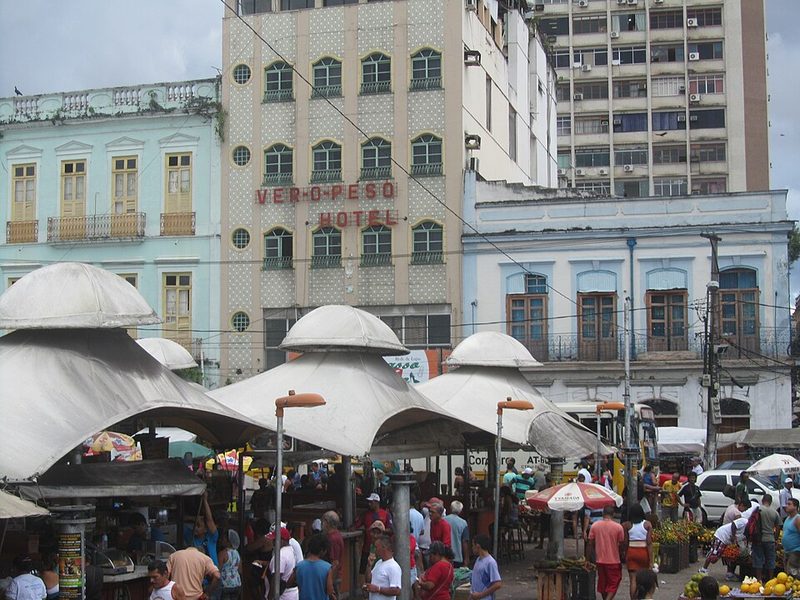
Ver-o-Peso sits at the waterfront where Belém began, and it remains the city's commercial and cultural heart. The market complex covers roughly 35,000 square metres and comprises several distinct sections: the Iron Market building, the Fish Market, the Pedra do Peixe (Fish Stone), and the sprawling open-air street market that extends along the bay. Described as the largest open-air market in Latin America, Ver-o-Peso supplies the city with daily goods and serves as a living record of Amazonian commerce that has continued in this location for nearly four centuries.
History and Architecture
The market's name derives from the Casa do Haver-o-Peso (House of Having the Weight), a colonial-era tax collection post established here in 1625 by Portuguese administrators. Located at the mouth of the Igarapé do Piri where it meets the bay, the post controlled the weighing and taxation of goods brought from the Amazon interior—rubber, cacao, Brazil nuts, medicinal plants and forest products collectively known as drogas do sertão—as well as meat from Marajó Island and European imports arriving by sea.
The current Iron Market building, designed by engineer Henrique La Rocque, was constructed between 1899 and 1901 after the original colonial structure was demolished. The dodecagon-shaped building measures 1,197 square metres and features cast-iron components fabricated in Europe and shipped to Belém for assembly on site. The structure's four corner towers, covered with zinc scales, and its Art Nouveau detailing reflect the wealth and ambition of Belém during the rubber boom. The cast-iron clock tower, manufactured in England, was disassembled, transported across the Atlantic, and reassembled at the market. This iron architecture, characteristic of the Belle Époque period, marks Ver-o-Peso as both a functional market building and a monument to a particular moment in Amazonian economic history.
Ver-o-Peso was listed as Brazilian national heritage by IPHAN (Instituto do Patrimônio Histórico e ArtÃstico Nacional) and forms part of Belém's protected historical centre. The market complex appears on UNESCO's tentative World Heritage list, recognised for its cultural significance and the persistence of traditional practices within a working commercial environment.
What Visitors Find
The market operates daily, with activity beginning before sunrise when boats arrive bringing fresh fish, fruit and other goods from upriver and from the delta. Morning visits offer the most active atmosphere and the freshest produce. The Fish Market section displays the daily catch from Amazonian rivers—species such as pirarucu, filhote, pescada and countless others unfamiliar to visitors from outside the region. The scale of the fish trade here reflects the Amazon basin's role as one of the world's most productive freshwater fisheries.
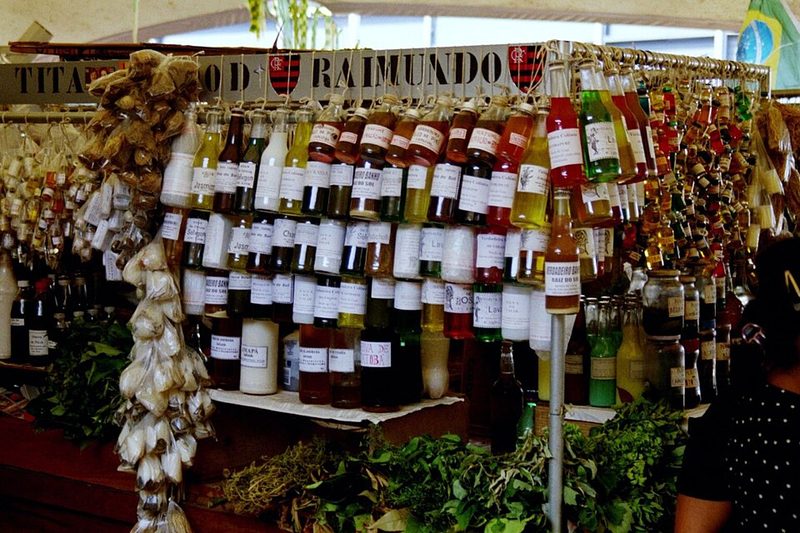
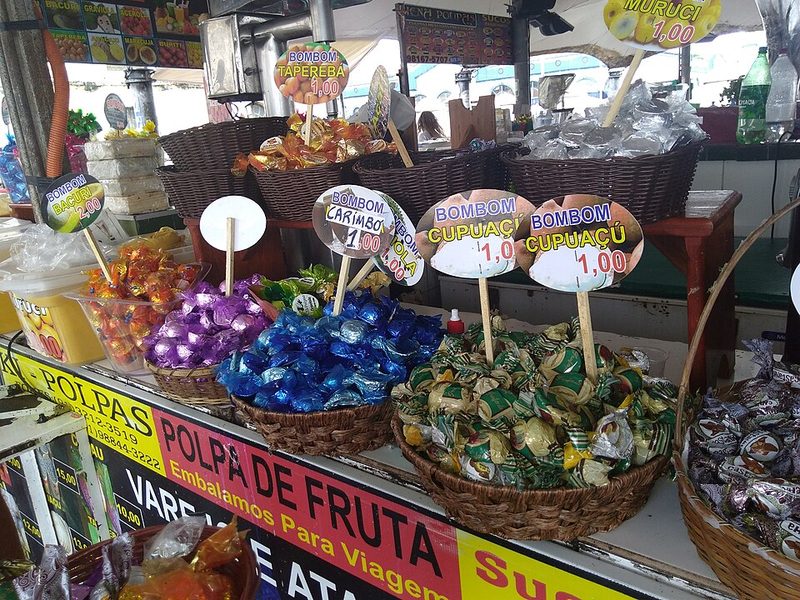
Adjacent sections sell fruits, many of them native to the Amazon and rarely found elsewhere: açaÃ, cupuaçu, bacuri, taperebá, and others. A dedicated market handles açaà alone, testament to the berry's centrality in local diet. The herb and medicinal plant stalls draw on deep Amazonian botanical knowledge, with vendors offering traditional remedies and ingredients for religious and healing practices. Handicrafts, prepared foods, clothing and general goods fill other areas of the complex.
Ver-o-Peso functions as both a supply market for local residents and a visitor attraction, and the two roles coexist throughout the day. The market has no admission fee; visitors walk freely through the stalls and can purchase food, drink, and souvenirs. Many vendors have operated their stalls for decades, and the market's labour organisation includes formal associations representing different trader sectors. The blending of utilitarian commerce with cultural tourism—and the continuing presence of traditional knowledge about forest products—gives Ver-o-Peso its particular character as a place where Belém's working life remains visible rather than curated.
Practical Notes
Ver-o-Peso is located in the Campina district at the northern edge of Belém's historic centre, easily reached from most parts of the city. Visitors should arrive in the morning for the fullest experience, as activity diminishes and stalls begin closing in the late afternoon. The market environment is crowded and working; standard precautions about personal belongings apply. Trying tacacá—a hot soup of tucupi, jambu, tapioca and shrimp—from one of the market's traditional tacacá vendors is a common visitor experience. The market forms a natural starting point for exploring the adjacent Feliz Lusitânia complex and the waterfront.
Sources: Ver-o-peso - Wikipedia • Ver-o-Peso - UNESCO World Heritage Centre • IPHAN - Mercado Ver-o-Peso • Ver-o-Peso Market In Belém: Complete Guide