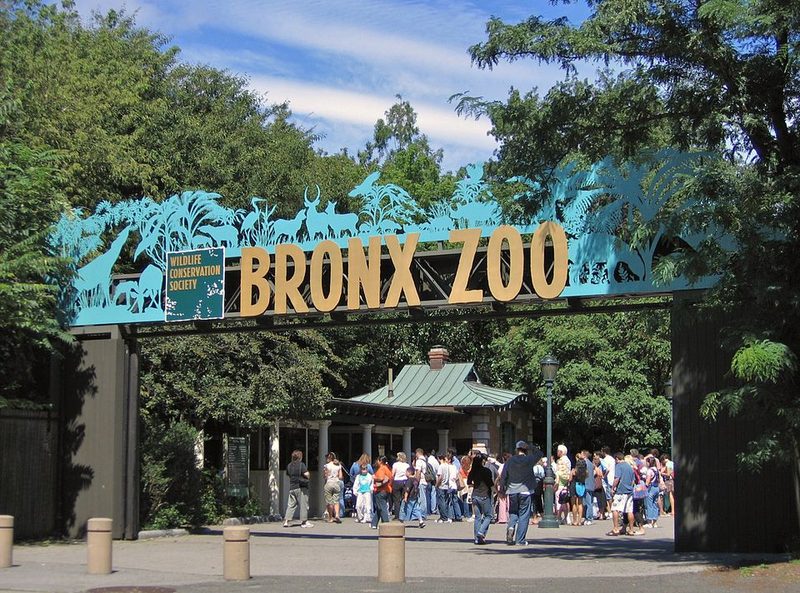
The Bronx Zoo stands as one of the world's largest metropolitan zoos, covering 265 acres in the northern section of the borough. Opened in 1899, the zoo has evolved from a traditional animal exhibition into a conservation-focused institution operated by the Wildlife Conservation Society. Today it houses over 4,000 animals representing 650 species, many of them endangered or threatened in the wild.
Major Exhibits and Layout
The zoo organises its exhibits both taxonomically and geographically, creating distinct environments across the sprawling grounds. Congo Gorilla Forest, which opened in 1999, remains one of the most popular attractions—a 6.5-acre exhibit complex focusing on Central African wildlife and habitats. The exhibit demonstrates the Wildlife Conservation Society's field conservation work, including their role in establishing the Okapi Wildlife Reserve in the Democratic Republic of Congo in 1992. Visitors encounter western lowland gorillas in naturalistic settings alongside red river hogs and other species from central and southern African forests.
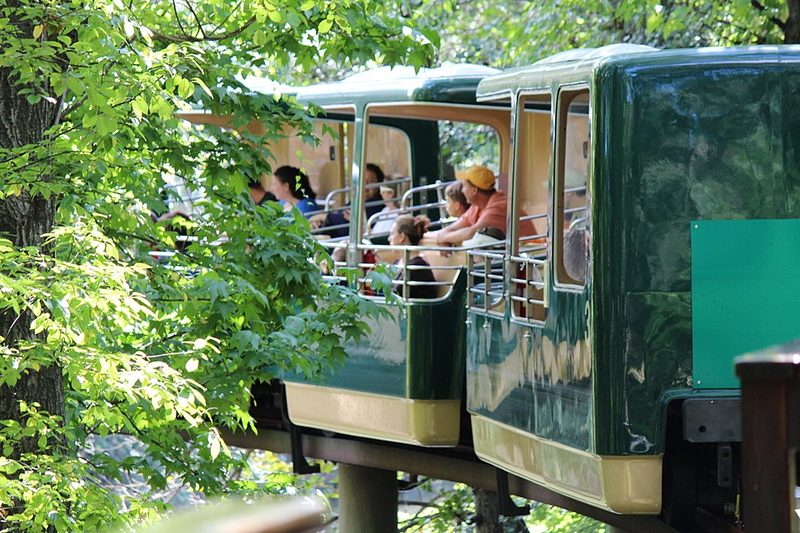
Wild Asia Monorail offers a seasonal ride (operating May through October, weather permitting) through 38 acres of Asian wilderness habitat. Tour guides point out elephants, rhinoceros, and red pandas as the monorail passes through areas designed to replicate Asian environments. The experience provides views of animals in expansive settings rather than traditional enclosure viewing.
Madagascar!, described as one of the zoo's newest major exhibits, brings visitors face-to-face with species from the island nation, including crocodiles and lemurs. Tiger Mountain focuses on Siberian tigers, while other major attractions include World of Birds, World of Reptiles, and African Plains—each structured around different organisational principles that shape how visitors encounter the animals.
Conservation Focus
The Bronx Zoo positions itself as more than an animal exhibition venue. The Congo Gorilla Forest exhibit explicitly frames itself as "about people—people getting involved, people learning about conservation, people taking action to protect and give a future to some of our most beloved animal species." This educational and conservation mission reflects the Wildlife Conservation Society's broader work in field research and habitat protection worldwide.
Practical Considerations
The zoo's scale—265 acres—means visitors should plan for substantial walking and potentially multiple hours to see major exhibits. Seasonal attractions like the Wild Asia Monorail operate only from late April through October and are subject to weather conditions. Some exhibits, including Congo Gorilla Forest, may have separate admission fees beyond general entry. The zoo provides maps and mobile apps to help visitors navigate the grounds and check current exhibit status.
As part of the Wildlife Conservation Society network, the Bronx Zoo offers membership programmes that include access to Central Park Zoo, Queens Zoo, and Prospect Park Zoo. Current hours, admission prices, and seasonal exhibit schedules should be verified directly with the zoo before visiting, as these details change throughout the year.
Sources: Bronx Zoo Official Site • Congo Gorilla Forest - Bronx Zoo • Wild Asia Monorail - Bronx Zoo • Bronx Zoo - Wikipedia