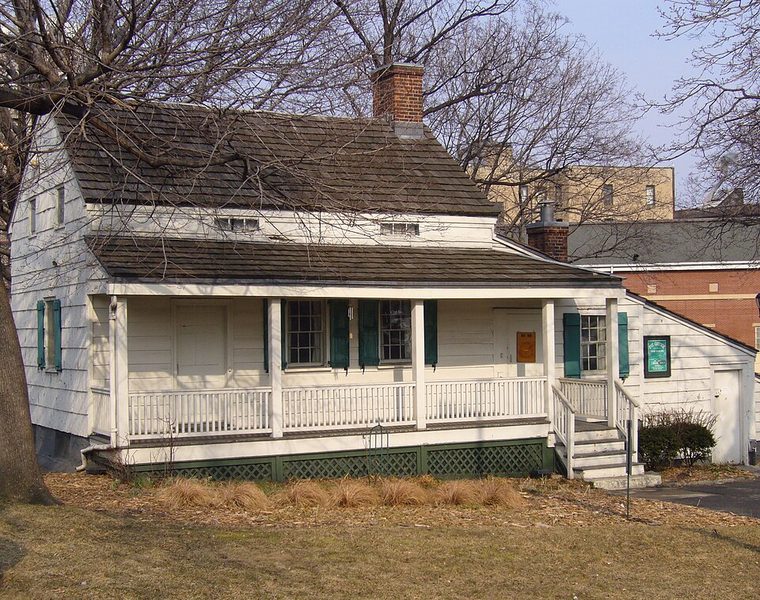
Edgar Allan Poe Cottage, a small wooden farmhouse at 2640 Grand Concourse, preserves the final home where the American writer lived and worked. Built in 1812, the cottage housed Poe, his wife Virginia Clemm, and her mother Maria from around May 1846 until Poe's death in 1849. During these years in what was then the rural village of Fordham, Poe wrote some of his most celebrated works whilst caring for his tuberculosis-stricken wife.
Poe's Fordham Years
The Poe family moved to Fordham after living briefly in Turtle Bay, Manhattan. The decision to relocate came primarily from Virginia's health crisis—she had fallen ill with tuberculosis, and Poe hoped that country air in the picturesque woods and green pastures outside the city might improve her condition or at least make her final days more peaceful. At the time, Fordham remained a genuinely rural area, quite distinct from the dense urban landscape that would later develop around it.
Virginia passed away at the cottage in 1847 after approximately a year in residence, sending Poe into a deep depression. Yet during and after this difficult period, Poe produced enduring literary works. He wrote "The Cask of Amontillado" and "Annabel Lee" whilst living in the cottage, along with the poem "Ulalume." The elegiac tone of "Annabel Lee," written after Virginia's death, reflects the profound grief of these final years.
The Cottage's Journey
The building itself underwent significant changes over the decades following Poe's departure. Originally located elsewhere in Fordham, the cottage was moved in 1910 to address development pressures. On 13 November 1913, the relocated Poe Cottage was dedicated at its current location at the corner of Kingsbridge Road and the Grand Concourse, now situated within Poe Park. The New York Historical Society undertook reconstruction in 1922 to restore the cottage to its original condition.
The cottage earned formal recognition as Poe moved through preservation milestones: designation as a Bronx landmark in 1962, and official city landmark status from the New York City Landmarks Preservation Commission in 1966. Today the cottage is owned by the New York City Department of Parks and Recreation and operates as part of the Historic House Trust collection, with the Bronx County Historical Society administering it as a historic house museum since 1975.
Visiting Information
The Edgar Allan Poe Cottage operates on a limited schedule. According to the Bronx County Historical Society, the cottage is open Saturdays from 10:00am to 4:00pm and Sundays from 1:00pm to 5:00pm, though tours are currently by appointment only. Prospective visitors should contact the society at education@bronxhistorical.org to arrange visits and confirm current access.
Suggested donations are $3 for children and seniors, $5 for adults, though members of the Bronx County Historical Society receive unlimited free admission. The cottage sits within Poe Park at 2640 Grand Concourse, accessible via New York City public transport, though specific transit routing should be checked in advance.
What Visitors See
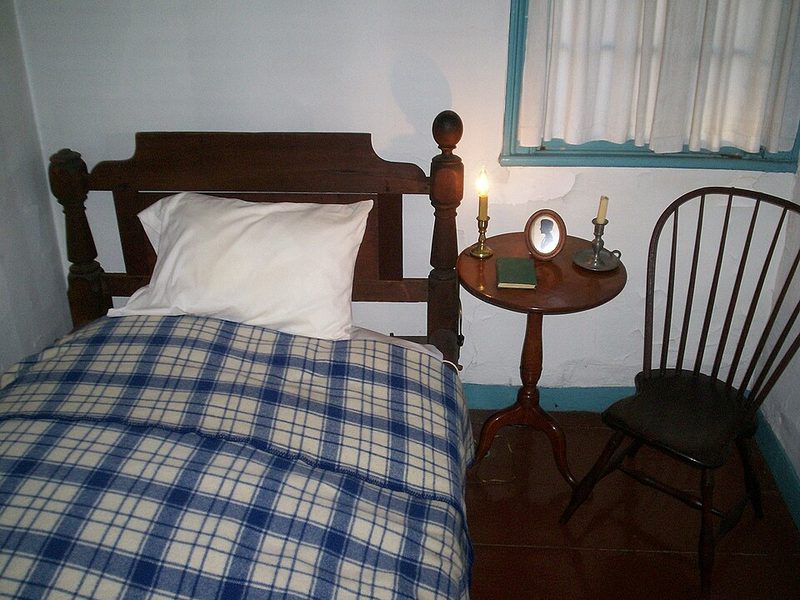
The cottage presents a modest wooden structure, quite different from the grand historic houses found elsewhere in New York City. Its small scale and simple construction reflect the rural farmhouse character of early 19th-century Fordham. The interior preserves the atmosphere of Poe's final years—the rooms where he cared for Virginia, wrote his late works, and grappled with grief and depression. The Bronx County Historical Society occasionally hosts special exhibits; recent programming has explored topics like filmmaker George Romero's connection to the Bronx in the 1950s, displayed both at the cottage and at the Museum of Bronx History.
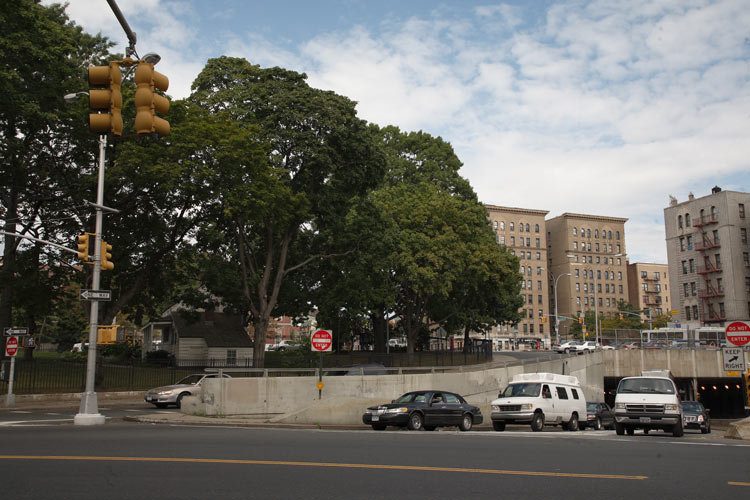
For literary enthusiasts and those interested in 19th-century New York history, the cottage offers direct connection to Poe's life and work during a crucial creative period. The contrast between the cottage's quiet, preserved setting and the surrounding urban Bronx underscores how dramatically the area has transformed since Poe sought refuge in rural Fordham.
Sources: Poe Cottage - Bronx County Historical Society • Edgar Allan Poe Cottage - Wikipedia • When Edgar Allan Poe Needed to Get Away - Smithsonian • Edgar Allan Poe Cottage - Historic House Trust