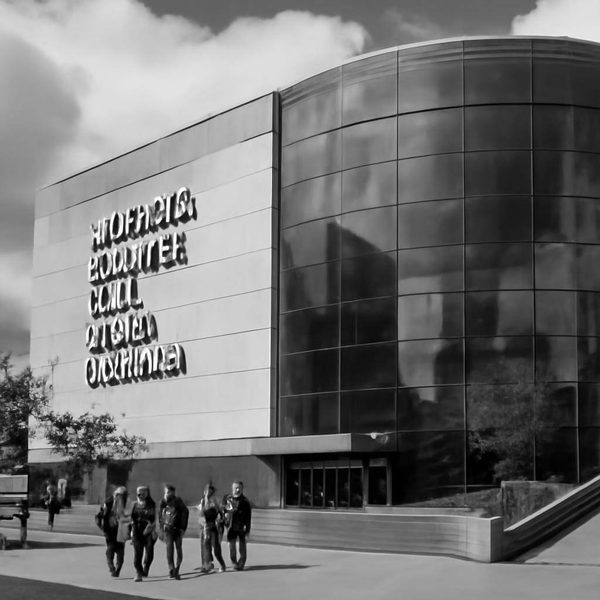

The National Science and Media Museum sits near Bradford city centre and is one of the most visited free attractions in the north of England. It opened on 16 June 1983 as the National Museum of Photography, Film and Television, was renamed the National Media Museum in 2006, and took its current name in 2017. The museum is part of the Science Museum Group and its stated remit is to explore the art, science and culture of image and sound technologies and their impact on daily life.
The Building and Floors
The museum occupies eight floors of galleries and houses three cinemas. Entry to the permanent galleries is free, though cinema tickets are priced separately and advance booking is available. Visitors planning to attend a cinema screening or a ticketed temporary exhibition should check current availability on the museum's website before travelling, as demand for popular screenings can be high. The museum's visit page confirms that booking is required even for free museum admission, so arriving without a ticket may cause delays.
The IMAX Screen
One of the museum's most significant claims is its IMAX screen. According to the museum's own published history and the Wikipedia article for the museum, it houses Europe's first purpose-built IMAX screen, which opened in April 1983 alongside the rest of the building. The IMAX operates as a commercial cinema screening both current releases and special presentations. Visitors should check the current programme and book directly through the museum's cinema listings.
Collections and Galleries
The museum's permanent collection runs to over 325,000 objects and archives drawn from the Science Museum Group holdings. Permanent gallery themes include photography and its chemistry, the history of cinema, television, and video games. Among the holdings is the Daily Herald photographic archive, described by the museum as containing images of everyday life and events that shaped the twentieth century from the newspaper that was once the world's top-selling daily. Temporary exhibitions rotate through the building; visitors should check the museum's website for the current programme, as the offer changes regularly.
A £6 million development project called Sound and Vision is under way to build two significant new galleries at the museum. Visitors arriving after this project's completion will find an expanded permanent offer; those visiting sooner should check whether any areas are affected by the works before planning their visit.
Bradford's UNESCO City of Film Designation
The museum sits within a broader city context: Bradford was designated the world's first UNESCO City of Film, a status that reflects the city's longstanding connection to cinema and media culture. The National Science and Media Museum is central to that designation and hosts festivals dedicated to widescreen film, video games and science. The Widescreen Weekend, a long-running festival connected to the museum, is among those events, though visitors should check current scheduling as festival dates vary year to year.
Getting There
The museum is located in Bradford city centre. Visitors coming by rail should note that Bradford has two city-centre stations — Bradford Forster Square and Bradford Interchange — and both are within walking distance of the museum. The museum's own visit page notes that a shopping centre with restaurants and shops is a few minutes' walk away, which makes combining a museum visit with other city-centre activity straightforward. Car parking and accessibility information is published on the museum's website; the museum's visit page states that accessibility guides have been compiled by trained surveyors.
Sources: National Science and Media Museum - Wikipedia • National Science and Media Museum - official website • Visit the National Science and Media Museum - official visitor page • About us - National Science and Media Museum • National Science and Media Museum - Visit Bradford