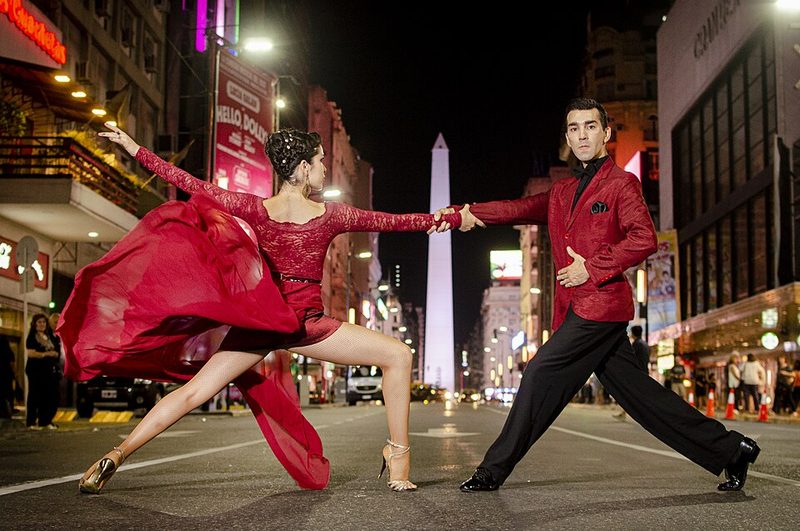
Tango emerged in the working-class districts of Buenos Aires in the late nineteenth century, shaped by the convergence of Italian and Spanish immigrants, Afro-descendant communities, and displaced gauchos who crowded the tenement houses, or conventillos, of neighbourhoods such as La Boca and San Telmo. The music and dance that developed from that collision of cultures was considered disreputable in its early decades before crossing to Europe, finding fashionable audiences in Paris in the early twentieth century, and returning to Argentina with a new social respectability. In 2009, UNESCO inscribed tango on its Intangible Cultural Heritage Lists, recognising a joint nomination by Argentina and Uruguay that acknowledged the form's roots across the Río de la Plata basin.
What a Milonga Is
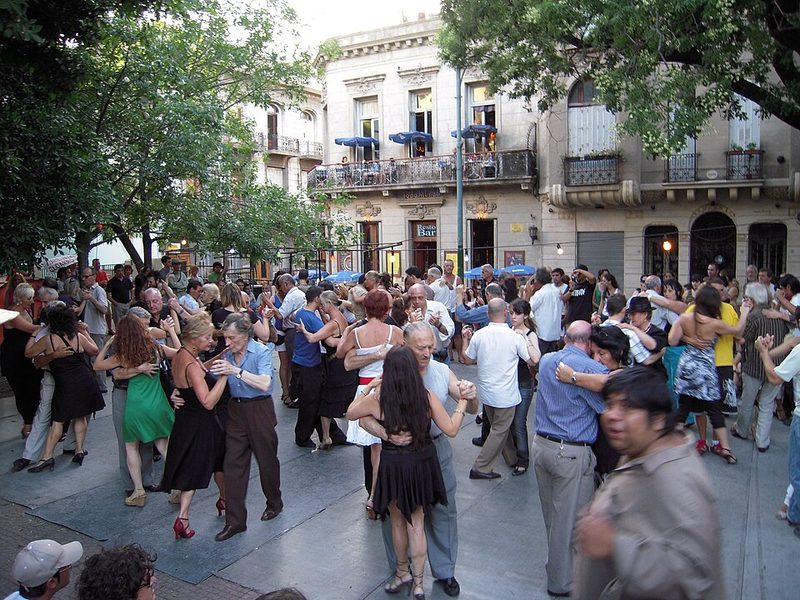
A milonga is both the event at which tango is danced socially and, in an older sense, a style of music distinct from the tango itself. At a milonga, dancers follow a codified etiquette: partners are traditionally invited to dance through a silent nod known as the cabeceo, and the music is organised into sets of three or four songs, called tandas, separated by brief non-tango intervals known as cortinas. This structure allows dancers to rotate partners and rest between sets. Visitors who arrive at a milonga without prior experience of these conventions will find them worth learning in advance; the atmosphere at established venues tends to be serious about the dance rather than performative for outsiders.
Where to Find Tango in Buenos Aires
Milongas operate across the city on most nights of the week. The official Buenos Aires tourism authority confirms that many milonga venues host classes before the main dancing begins, and that several internationally recognised tango schools offer regular classes, sometimes multiple per day. Venues in the neighbourhoods of Palermo and San Telmo are among those with a long-standing milonga presence. La Viruta Tango Club in Palermo is one of the better-known venues catering to a mixed crowd of locals and visitors, and Club Gricel is noted for offering classes alongside its milongas. Visitors should check current schedules directly with individual venues, as timetables, cover charges and class availability shift through the year.
A distinction worth drawing is between tango shows staged for tourists and the social milonga experience. Tango shows, found in dedicated dinner-theatre venues across the city, offer polished choreography and production values suited to visitors who want a visual introduction to the form. Milongas are participatory: the point is to dance, not to watch. Both experiences are legitimate ways to engage with tango in Buenos Aires, but they serve different purposes. Visitors interested in the social dance culture will get more from attending a milonga, ideally after a class.
Learning to Dance
Buenos Aires has a well-developed infrastructure for tango instruction. The official city tourism site notes that private teachers can offer bespoke classes at various locations around the city. Many tango schools operate daily group classes at beginner level, which are suitable for visitors with no prior experience. Group classes at milonga venues before the social session are often an economical way to get an introduction to the basic steps before the main event begins. Visitors with a serious interest in learning are advised to contact schools in advance to confirm current schedules.
Tango's Neighbourhoods
Wikipedia's tango history entry notes that several Buenos Aires neighbourhoods have their own particular tango histories, including La Boca, San Telmo and Boedo. La Boca's association with tango is tied to its origins as an immigrant port district; the brightly painted street known as El Caminito in La Boca has become a visible tourist symbol of that connection, though the social milonga culture is more active in other parts of the city. San Telmo, the city's oldest surviving neighbourhood, hosts street tango performances and has milonga venues that draw on its long association with the dance. Boedo, a less-visited working-class district in the south of the city, maintains a reputation among dedicated tango followers for preserving a more traditional style.
Tango and Milongas FAQ
A milonga is a social tango event where people dance in rotating sets. It is different from a staged tango show: the focus is participation, floor etiquette and the shared rhythm of the room rather than a performance for seated spectators.
The cabeceo is the traditional nod used to invite a partner to dance. Tandas are sets of three or four songs, and cortinas are short non-tango breaks between those sets.
Yes. Beginners should usually start with a class before the main dancing begins, then watch how dancers enter the floor and change partners before joining in. La Viruta and Club Gricel are useful examples of venues where classes and milongas can sit close together.
Dress varies by venue, but neat evening clothing and shoes that allow controlled movement are safer than beachwear or heavy walking shoes. Traditional venues can be serious about the dance, so understated and practical is better than costume-like.
Many milongas charge an entry fee or class fee. Visitors should confirm current prices, schedules and class availability directly with the venue because Argentina's prices can change quickly.
Sources: A passion for tango - Official Buenos Aires Tourism • Neighbourhoods - Official Buenos Aires Tourism • Tango - Wikipedia • History of the tango - Wikipedia • Tango - UNESCO Intangible Cultural Heritage