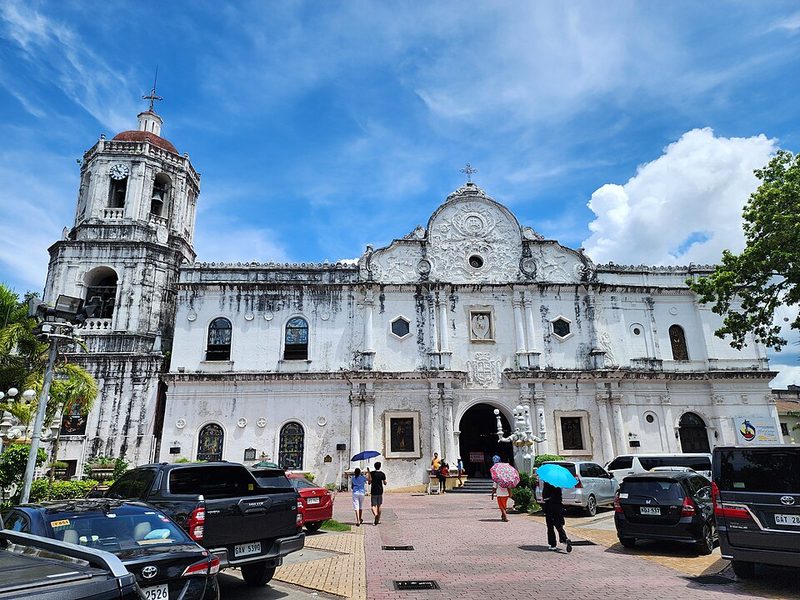
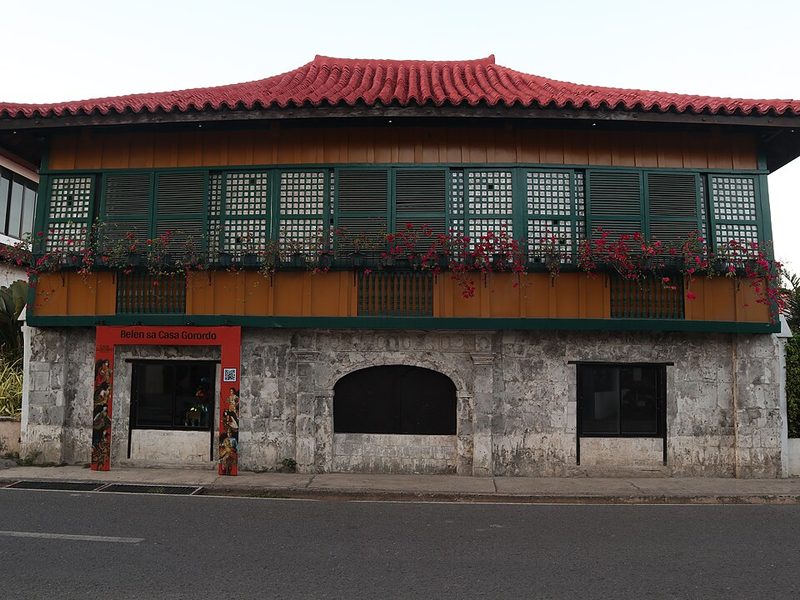
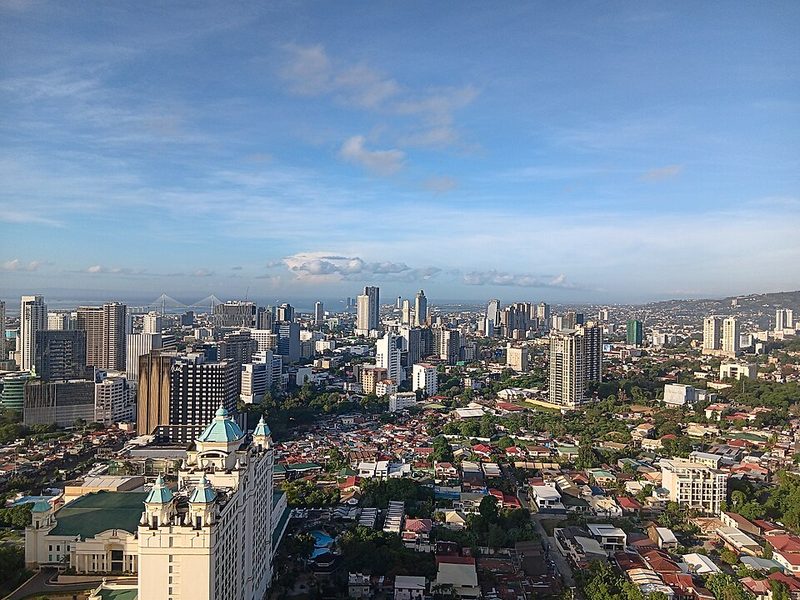
The Sinulog Festival is Cebu City's largest annual celebration, held each January to honour the Santo Niño (Holy Child Jesus). The week-long event culminates in a grand parade on the third Sunday of January and ranks among the Philippines' most significant religious and cultural festivals. The celebration combines Catholic devotion, street dancing, vibrant costumes and community participation, drawing both pilgrims and visitors from across the country and beyond.
Historical Origins and Religious Significance
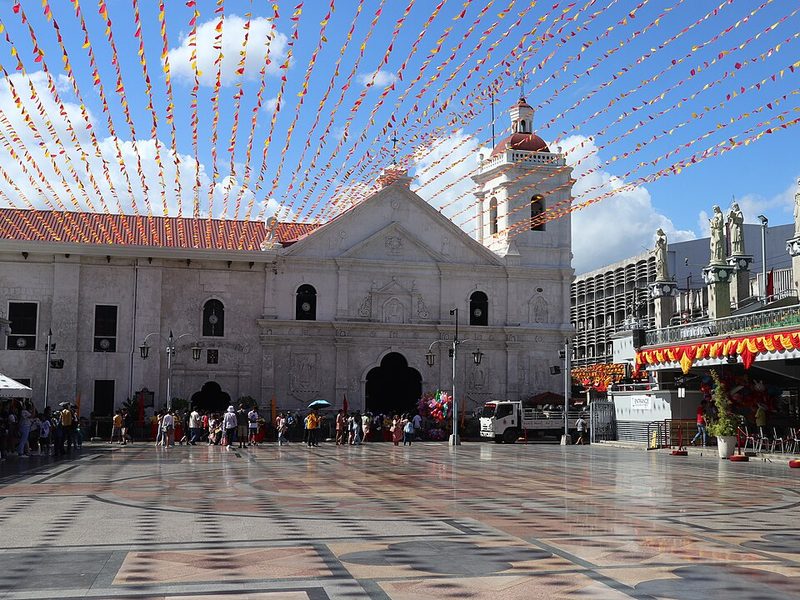
The historical event that the Sinulog Festival commemorates occurred on 7 April 1521, when Portuguese navigator Ferdinand Magellan landed on Cebu Island and claimed the area in the name of the King of Spain. Magellan gifted a statue of the Santo Niño to Rajah Humabon, the local chieftain, and his wife Queen Juana, marking the introduction of Christianity to the islands. This statue—discovered decades later by Spanish explorer Miguel López de Legazpi in 1565—remains housed in the Basilica Minore del Santo Niño and serves as the focal point of the festival.
The name "Sinulog" derives from the Cebuano word "sulog," meaning movement like that of a river current. This references the characteristic forward-backward dance steps performed during rituals devoted to the Santo Niño. The dance movement itself functions as a form of prayer, with devotees performing the steps whilst chanting "Pit Señor"—a Cebuano phrase meaning "Call on the Lord"—as an act of surrender and petition.
For decades, if not centuries, devotees performed this traditional religious sinulog dance in front of the Basilica after Visperas Mass, often in an unorganised manner, murmuring petitions between loud pleas of "Pit Señor" and "Viva Pit Señor." The Cebu City government began organising the Sinulog Festival in its current form in 1980, providing structure and eventually offering incentives to tribal dance groups to participate.
Festival Schedule and Events
The festival centres on two major events. On 17 January, the Fluvial Parade takes place, followed by the Solemn Foot Procession. These events draw large numbers of pilgrims who walk, dance and chant in devotion to the Santo Niño. The culminating Sinulog Grand Parade occurs on Sunday, 18 January, beginning at 8:30 AM at the Cebu City Sports Center.
The grand parade route begins at the Cebu City Sports Center, travels along Imus Road to General Maxilom Avenue, continues to Osmeña Boulevard, and returns to the sports center. The parade features street dancing, ritual performances, colourful costumes and music, transforming the city streets into what participants describe as an open-air sanctuary. The Ritual Showdown, a competition among dance groups, takes place alongside the parade.
Cultural and Community Participation
The Sinulog Festival represents one of the most visible expressions of Catholic faith and cultural identity in Cebu. Pilgrims from different parts of Cebu and the rest of the Philippines make a yearly journey to the Basilica del Santo Niño to participate in the procession and festival. The event combines religious devotion with secular celebration, community gathering and regional pride. The streets fill with participants and spectators, and the festival affects the rhythm of city life for the entire week.
Practical Considerations for Visitors
Visitors planning to attend the Sinulog Festival should book accommodation well in advance, as the city fills with pilgrims and participants during the week-long celebration. The festival dates are fixed to the third Sunday of January each year. Those interested in experiencing the religious aspects of the festival should plan to attend the Fluvial Parade and Solemn Foot Procession on 17 January, whilst those focused on the cultural spectacle of street dancing and costumes should prioritise the Grand Parade on 18 January. The city experiences heavy crowds, road closures and altered transport schedules during the festival period. Current route details, schedule updates and official announcements are typically available through the Sinulog Festival official website and local news sources closer to the event dates.
Sources: Sinulog Festival 2026 Official Website • Sinulog - Wikipedia • Sinulog 2026: Routes, schedule, reminders - Rappler • History of Fiesta Señor, Sinulog Festival - Rappler • The Institutionalization of the Santo Niño Traditional Religious Sinulog - Basilica