The Durban Botanic Gardens, established in 1849, are the oldest surviving botanical gardens in Africa and the city's oldest public institution. Covering 15 hectares in the Berea neighbourhood, the gardens serve as both a significant horticultural collection and a public park used by residents and visitors for walks, picnics, and respite from the city.
History and Significance
The gardens were founded in the mid-19th century during Durban's colonial period and have been maintained continuously for over 170 years. They are recognised internationally for their subtropical and tropical plant collections, particularly their cycad collection. Cycads are among the oldest living plant groups, dating back 160 million years to the Mesozoic and Jurassic periods, and the gardens house indigenous South African species from the genera Encephalartos and Stangeria, all of which are protected under strict nature conservation laws.
Wood's Cycad
One of the gardens' most significant specimens is Encephalartos woodii, commonly known as Wood's Cycad. Botanist James Medley Wood, curator of the Durban Botanic Gardens, discovered a single clump of this rare cycad in the Ngoya Forest of Zululand. By 1908, the plant had been named in his honour. Wood collected three basal offsets and later returned for two large stems, all of which were planted at the gardens where they remain today. The species is now extinct in the wild, and the Durban specimens are part of global efforts to preserve the lineage.
Collections and Features
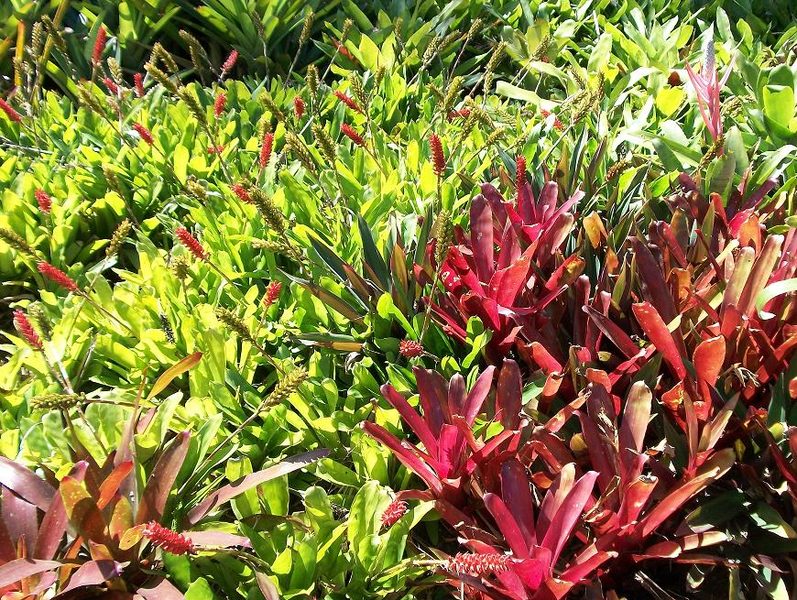
Beyond cycads, the gardens are known for collections of orchids, palms, ferns, bromeliads, and indigenous South African plants. Around 1965, the gardens were particularly noted for their canna collection, and curator Ernest Thorp sent rhizomes of three varieties to Longwood Gardens in the United States upon request. The gardens attract birdwatchers, with numerous resident and migratory species, as well as butterflies and frogs. November to February is considered the best period to see the greatest number of trees and plants in bloom, though the subtropical climate ensures year-round greenery.
Visiting the Gardens
The Durban Botanic Gardens are open daily, including public holidays. Opening hours are 07:30 to 17:15 in winter (16 April to 15 September) and 07:30 to 17:45 in summer (16 September to 15 April). Admission is free. The gardens are located at 70 John Zikhali Road in the Berea, accessible by road and within reach of central Durban. Informal picnics are permitted on the lawns, and guided tours can be arranged with advance booking. Visitors should confirm current tour availability and any facility changes directly with the gardens.
Practical Notes
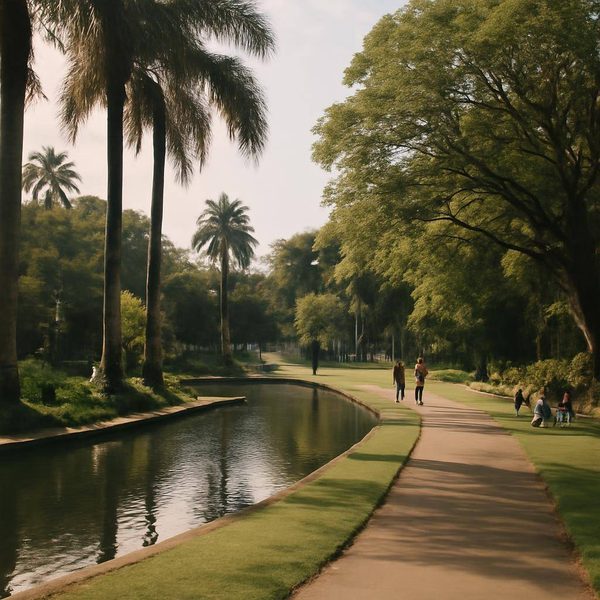
The gardens function as a working botanical institution and a public amenity. Paths wind through planted sections and lawns, with benches and shaded areas throughout. The atmosphere is quiet and more oriented toward plant appreciation and relaxation than active recreation. Families, students, and tourists visit in roughly equal measure. The gardens are well-maintained, with signage identifying major specimens and collections. Early morning and late afternoon visits offer cooler temperatures and better light for photography.
Sources: Durban Botanic Gardens official site • General Visitors Information - Durban Botanic Gardens • Special Collections - Durban Botanic Gardens • Wood's Cycad in Durban - Atlas Obscura