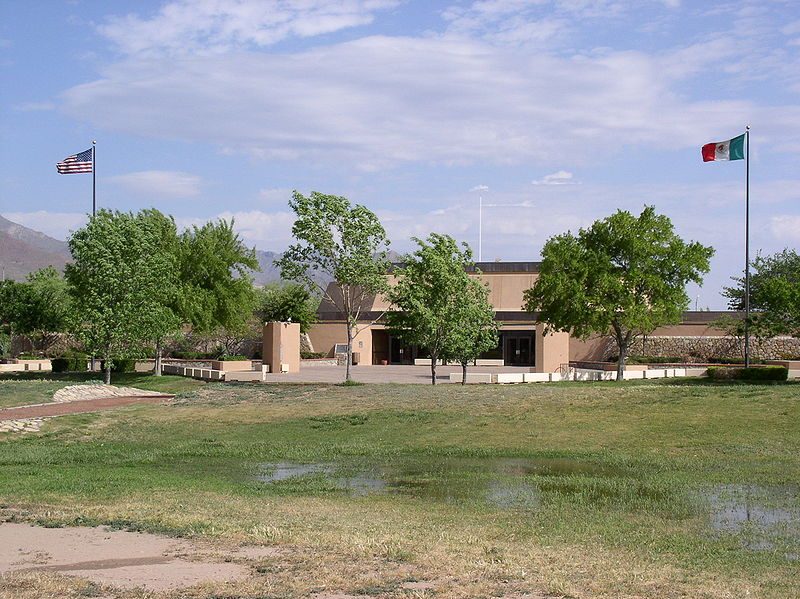
Chamizal National Memorial, located two miles northeast of downtown El Paso along the Rio Grande, commemorates the 1963 diplomatic resolution of a century-long boundary dispute between the United States and Mexico. The site is administered by the National Park Service and serves both as a historical memorial and an active cultural venue celebrating the cultures of the borderlands.
The Boundary Dispute
The Chamizal issue arose from the Rio Grande's tendency to shift its course. The Treaty of Guadalupe Hidalgo in 1848 and the Gadsden Purchase in 1853 established the river as the international boundary, but the river channel moved south between the 1850s and early 1900s, particularly during a major flood in 1864. This left a tract of land—approximately 600 acres—on the north side of the new channel that had originally been south of the river in Mexican territory.
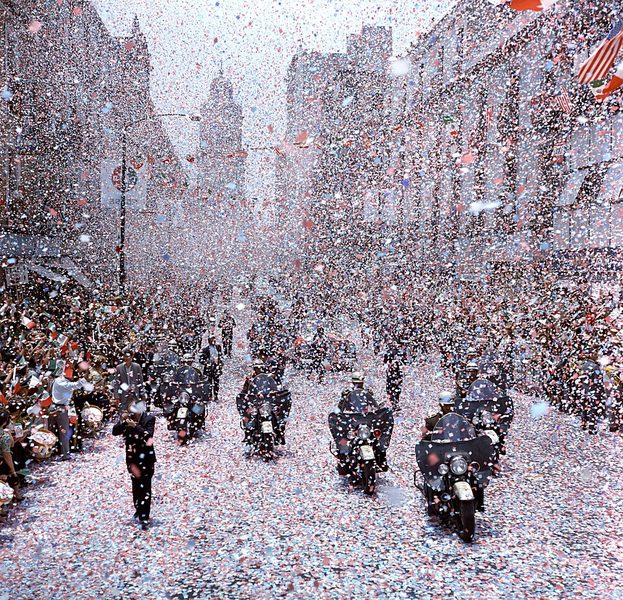
Both nations claimed the Chamizal tract. Families lived there, businesses operated, and the area became a source of diplomatic tension. Attempts at arbitration in 1911 failed when the United States rejected the arbitrator's findings. The dispute persisted for over a century until Presidents John F. Kennedy and Adolfo López Mateos negotiated the Chamizal Convention, signed on 29 August 1963. The convention divided the disputed land, assigned parcels to each country, and relocated the river channel to a concrete-lined boundary that would not shift.
The settlement required relocating approximately 5,600 people and numerous buildings. The resolution is considered a model of peaceful border diplomacy, demonstrating that long-standing territorial disputes can be settled through negotiation rather than conflict.
The Memorial Site
Chamizal National Memorial was established on the portion of the disputed land assigned to the United States. A corresponding park, Parque Público Federal El Chamizal, was created on the Mexican side of the new boundary. The U.S. memorial includes a visitor centre, museum, theatre, and art galleries. The site hosts festivals, concerts, educational programmes, and community events throughout the year, making it an active cultural centre rather than a static monument.
The memorial's exhibits trace the history of the boundary dispute, the diplomacy that resolved it, and the broader context of U.S.-Mexico relations. A Junior Ranger programme, available in both English and Spanish, engages younger visitors. The memorial also features videos created by youth volunteers that explain the site's significance.
Operating Hours and Access
The park grounds are open from 7am to 10pm daily, though some sources list 5am to 10pm—visitors should verify current hours. The visitor centre and galleries operate from 10am to 5pm. The site is closed on Thanksgiving, Christmas and New Year's Day. The administrative office opens at 8am. Admission is free.
The memorial is easily accessible from downtown El Paso by car. Its location along the border means that the Mexican park is visible across the boundary, though crossing requires using an official port of entry with appropriate documentation.
Cultural Programming
Chamizal National Memorial functions as a cultural venue for the El Paso region. The theatre hosts performances ranging from traditional music and dance to contemporary arts. The galleries display rotating exhibitions by regional and international artists, often focusing on border themes, bicultural identity, and the shared heritage of the borderlands. The National Park Service schedules programmes that promote the mutual respect and cooperation that characterised the boundary settlement.
The site's festivals draw local residents and visitors, particularly during events that celebrate Mexican and Mexican-American culture. These events are typically free and open to the public, though specific dates and programmes change annually. The memorial's calendar should be checked in advance by visitors hoping to attend performances or exhibitions.
Context and Significance
Chamizal National Memorial is unusual among U.S. national parks in that it commemorates a diplomatic success rather than a battle, a natural feature, or a person. Its message centres on the possibility of peaceful resolution and the value of binational cooperation. For visitors interested in border history, international relations, or the cultural complexity of the El Paso–Ciudad Juárez region, the memorial provides concrete historical grounding.
The memorial is small—this is not a park where one spends an entire day hiking or exploring extensive grounds. A visit typically lasts one to two hours, including time in the museum, galleries and grounds. Its value lies in the clarity of its story and the quality of its cultural programming rather than in the scale of the site itself.
Sources: Chamizal National Memorial (U.S. National Park Service) • Chamizal National Memorial - Wikipedia • Operating Hours - Chamizal National Memorial