Celtic Connections is Glasgow's annual folk, roots, and world music festival, held each January and early February. The festival runs for approximately 18 days and features hundreds of performances across multiple venues throughout the city. It is Scotland's largest winter music festival and one of the world's premier celebrations of Celtic music and its global connections.
Festival Dates and Schedule
Celtic Connections takes place in mid-winter, typically running from mid-January to early February. In 2026, the festival is scheduled from 15 January to 1 February. The timing positions Celtic Connections as a counterpoint to the dark Scottish winter, filling Glasgow's venues with music and cultural activity during a period when outdoor festivals are not possible.
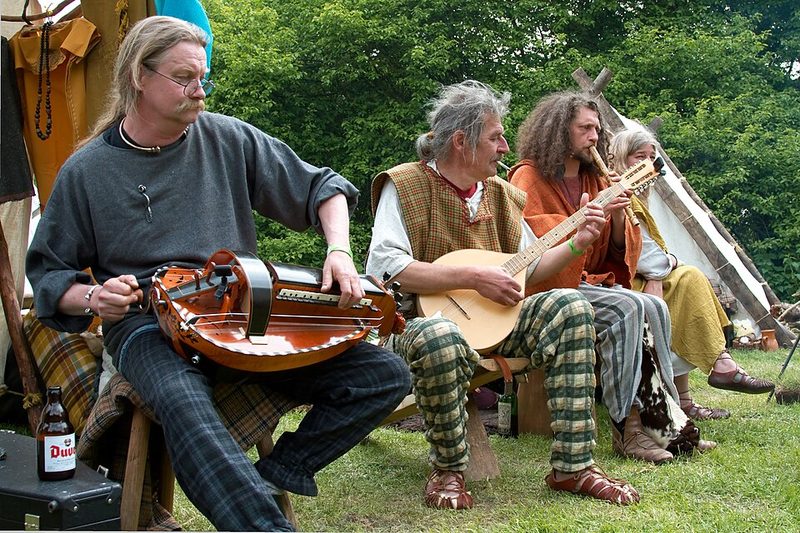
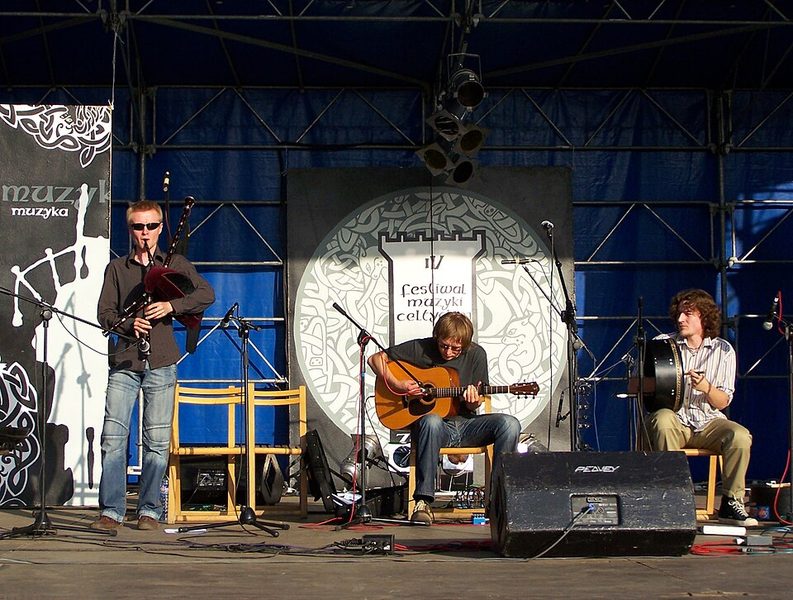
The festival programme includes evening concerts, daytime workshops, late-night sessions, and educational events. Performances range from traditional Scottish and Irish folk music to contemporary collaborations that incorporate influences from Americana, African, and Asian musical traditions. The programming reflects the festival's mission to celebrate Celtic music while exploring its connections to other global musical cultures.
Venues
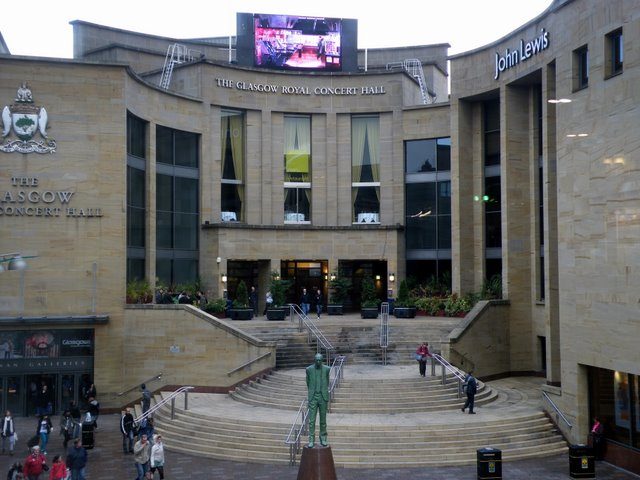
The Glasgow Royal Concert Hall serves as the focal point of Celtic Connections. Located in the heart of the city, the Royal Concert Hall is one of Scotland's most prestigious venues and hosts nearly 250 performances annually. During Celtic Connections, performances take place in every space within the building, from workshops in the foyers to headlining concerts by world-class artists in the Main Auditorium.
Beyond the Royal Concert Hall, the festival uses venues throughout Glasgow. The Mackintosh Church, City Halls, the Recital Room at City Halls, and the Citizens Theatre all host festival events. Smaller venues, bars, and community spaces also participate, creating a city-wide festival atmosphere. This distribution means that visitors can encounter Celtic Connections performances in multiple neighbourhoods and settings, from formal concert halls to intimate pub sessions.
Music and Programming
Celtic Connections draws internationally renowned musicians alongside emerging artists. The festival's programming covers traditional Scottish and Irish folk music, contemporary folk, bluegrass, world music, and cross-cultural collaborations. The Guardian has described the festival as a winter celebration that illuminates Glasgow's stages with a kaleidoscope of music.
Workshops and participatory events form part of the festival's programme. These sessions allow festival-goers to learn instruments, singing styles, and dance traditions directly from performers. Late-night concerts and informal sessions extend the festival atmosphere into the early hours, particularly in bars and smaller venues where musicians gather after main-stage performances.
Audience and Attendance
Celtic Connections attracts visitors from across Scotland, the United Kingdom, and internationally. The festival has reported record-breaking ticket sales in recent years, reflecting its growing profile and the strength of interest in folk and world music. The event contributes to Glasgow's winter tourism economy and reinforces the city's designation as a UNESCO City of Music.
Practical Information for Visitors
Tickets for Celtic Connections go on sale several months before the festival begins. Popular concerts, particularly those featuring well-known headliners, sell out quickly. The festival's official website publishes the full programme and handles ticket sales. Visitors planning to attend multiple events should book early and consider purchasing tickets for a mix of main-stage concerts and smaller venue performances.
Glasgow in January and early February is cold and often wet. Visitors should prepare for winter weather, including rain, wind, and temperatures typically ranging from 2°C to 7°C. Indoor venues are heated, but walking between performances and navigating the city requires appropriate clothing.
Accommodation in Glasgow during Celtic Connections is in demand, particularly during the festival's peak weekends. Booking hotels or other lodging well in advance is advisable. The festival's central location means that most venues are accessible by public transport or on foot from the city centre, though visitors attending events in outlying venues should check transport options in advance.
Context and Significance
Celtic Connections positions itself as a festival that celebrates cultural identity and collaboration. The programming reflects both the preservation of traditional music forms and the ongoing evolution of folk and roots music through cross-cultural exchange. The festival has built a reputation as a place where musicians from different traditions come together to perform, collaborate, and experiment.
For Glasgow, Celtic Connections serves as a high-profile cultural event that activates the city during the winter months. The festival's success has contributed to Glasgow's broader cultural economy, and its international profile reinforces the city's status as a significant destination for live music.
Sources: Celtic Connections - Official Website • Celtic Connections - Scotland.org • Celtic Connections - Wikipedia • Glasgow Royal Concert Hall - Celtic Connections