

What Glasgow is known for
Scotland's largest city sits on the banks of the River Clyde in west central Scotland, where Victorian architecture meets contemporary cultural infrastructure. Glasgow holds a population of 626,410 across 23 wards, and the physical traces of its industrial past—shipyards, textile mills, and engineering works—remain woven into neighbourhoods that have evolved substantially over recent decades. The city has repositioned itself from a manufacturing powerhouse into a centre for education, music, and the arts, a shift recognised when it was designated European Capital of Culture in 1990 and UNESCO City of Music in subsequent years.
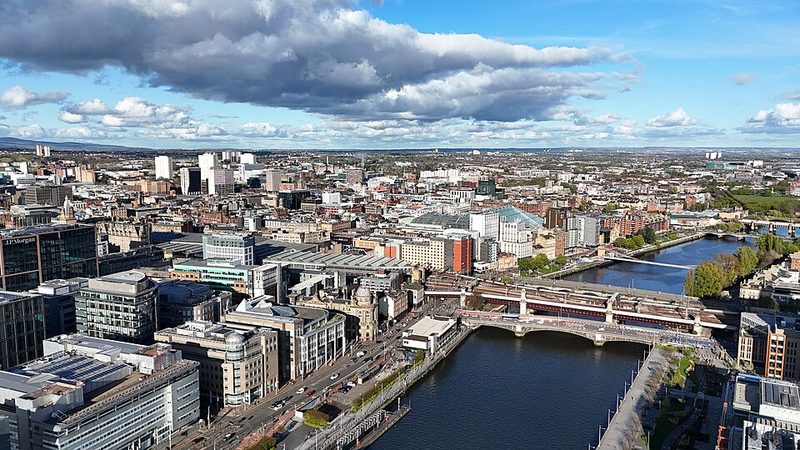
The River Clyde defines the city's geography and history. Multiple bridges cross the waterway, and the Riverside Museum—housed in a Zaha Hadid-designed building that opened in 2011—anchors a regenerated waterfront in the Partick area. The Govan–Partick Bridge, which opened in 2024, provides a pedestrian and cycle link across the river. Victorian and Edwardian buildings dominate many streets, their stone facades and ornamental ironwork reflecting the wealth accumulated during Glasgow's industrial zenith. Alongside this heritage, modern structures mark areas of regeneration, particularly along the river and in districts such as Merchant City.
Historical Background
Glasgow began as a small merchant town centred on Glasgow Cathedral and the University of Glasgow, founded in 1451 as one of Scotland's four ancient universities. The city's transformation began with Atlantic trade from the late 17th century onward. Real expansion, however, came with the Industrial Revolution. Between the 1770s and 1830s, Glasgow became a centre of Scottish industry, with shipbuilding and textile manufacturing driving explosive population growth—from under 32,000 in 1750 to over 147,000 by 1821.
Irish immigration brought skilled workers to textile mills and other industries in Glasgow and surrounding villages during this period. The speed of urbanisation created social tensions, visible in events such as the Radical War of 1820 and the subsequent Great Reform Act of 1832. By the 19th century, Glasgow's shipyards had achieved global prominence, and the city styled itself as the "second city of the British Empire." The Glasgow School of Art emerged as a centre of artistic innovation and remains an important educational institution.
Deindustrialisation in the 20th century marked a significant economic blow. Shipbuilding and heavy manufacturing declined, forcing the city to reimagine its identity. Over three decades of investment, Glasgow developed cultural infrastructure and repositioned itself. Between 2010 and 2020, the cultural and creative sectors grew by 17 per cent—more than double the national growth rate—establishing a genuine regional strength.
Cultural Life and Economy
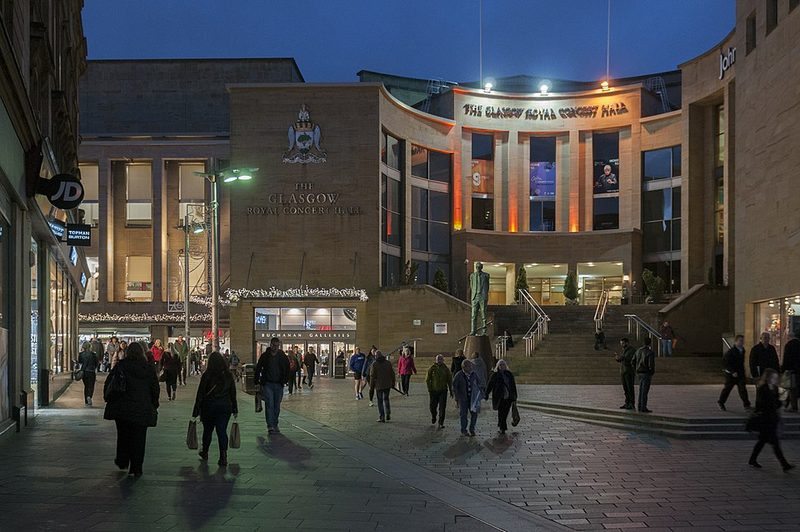
Glasgow functions as a leading centre for university education and research. The University of Glasgow and other institutions contribute substantially to the city's intellectual and cultural character. The financial, commercial, and retail sectors remain important, but culture has become increasingly central to the city's identity. The UNESCO City of Music designation recognises Glasgow's influence in both music heritage and contemporary music scenes, where traditional Scottish folk coexists with vibrant contemporary genres.
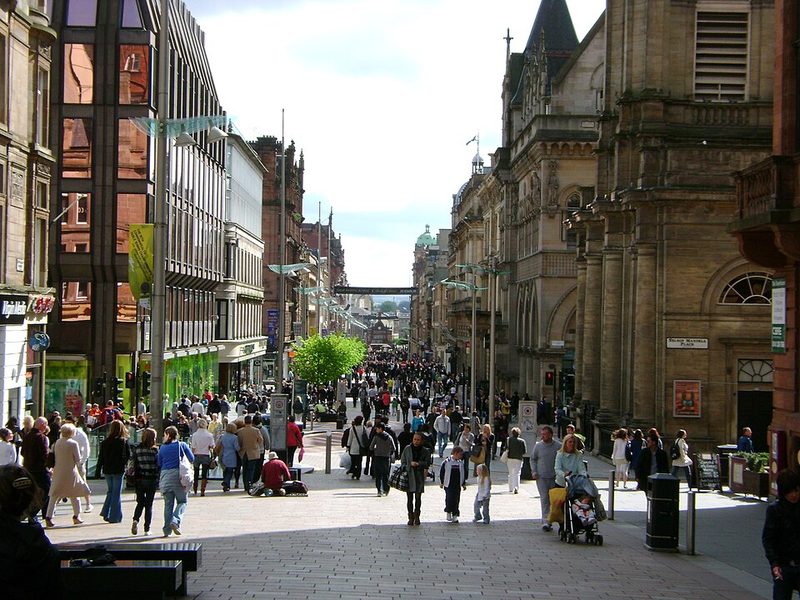
Multiple neighbourhoods maintain distinct identities. The West End is associated with the university, museums, and residential streets. Merchant City, one of the oldest districts in the city centre, features restaurants, bars, galleries, and hosts the annual Merchant City Festival. The grid layout of central streets—Buchanan Street, Argyle Street, Bath Street, Sauchiehall Street, and St. Vincent Street—makes navigation straightforward, with several stretches pedestrianised.
Kelvingrove Art Gallery and Museum, located in the West End and opening onto Kelvingrove Park, is a major cultural venue. Glasgow Cathedral, consecrated in 1197, remains a substantial example of Scottish Gothic architecture. The Necropolis, the city's cemetery dating to 1833 and inspired by Père Lachaise in Paris, sits adjacent to the cathedral. Museums and galleries throughout the city reflect Glasgow's commitment to preserving and presenting both heritage and contemporary creativity.
Getting Around
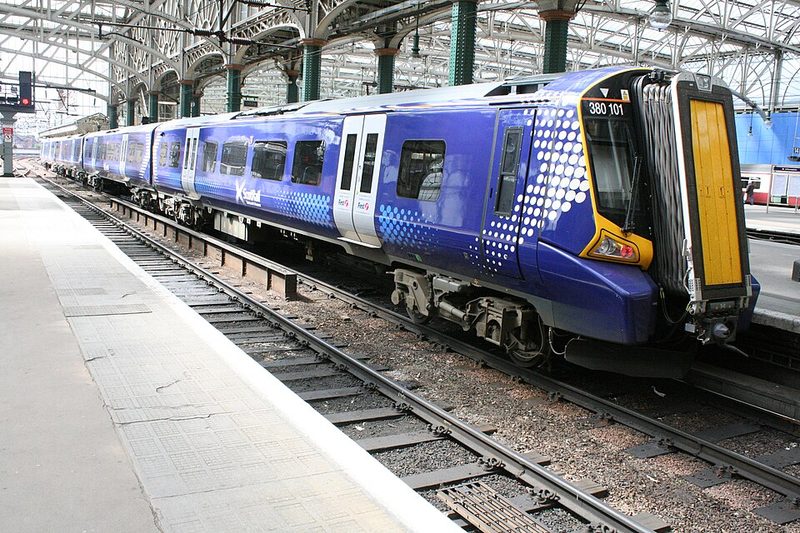
Glasgow is accessible by road and rail connections to other parts of Scotland and the United Kingdom. The city operates an underground system—commonly called the Subway—which serves central areas and the West End. Specific details on airports, train stations, bus services, and current transport options should be verified through official transport operators and tourist information sources, as services and accessibility change.
Practical Considerations
Glasgow uses the Europe/London timezone and the pound sterling (GBP). Visitors should consult current UK Foreign, Commonwealth & Development Office travel advice and US State Department travel advisories before planning travel. Normal precautions apply to travel in the United Kingdom. The city's size means that local knowledge and attention to specific neighbourhood conditions remain valuable for practical navigation. Glasgow rewards exploration, and current information from official sources and local residents provides the most reliable guidance.